




Ebola disease in DRC: find out how we're responding
Learn more
7999 Results
 
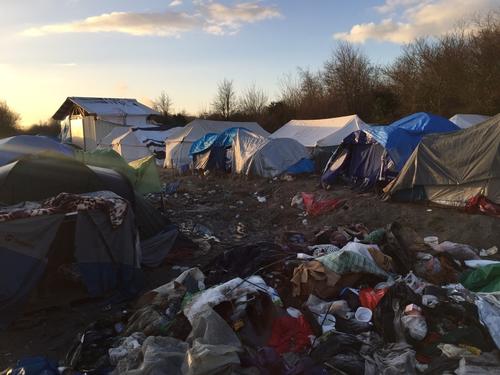
In the daytime it gets stifling hot inside these shelters, but the camp is so packed with thousands of tents and temporary shelters there is very little communal space. In the most
crowded section of the camp, there is less than 4.5 square meters of space per person, less than one seventh of the space required by minimum humanitarian standards. Only about half a square kilometre has been designated by the United Nations for the displaced population to live in, comprising a population the size of a small city.
South Sudan

Malakal, An Inadequate Refuge

The number of patients treated by MSF on a weekly basis in the UN Protection of Civilians Camp (PoC) in Malakal has tripled since June, as the health of the population sheltering in the camp is being jeopardized by overcrowding and substandard living conditions. Presently, almost 48,000 people are living in the Malakal PoC following an influx of more than 16,000 people in July and August. Many came from areas where humanitarian access was cut off by insecurity for months, forcing thousands to flee from conflict and hunger. Most people arrived with nothing. Photo Story - 18 Nov 2015
 
msf-placeholder
Burundi

MSF treats 60 people wounded in grenade explosions

60 injured people were treated by MSF at its trauma centre after grenades exploded in several Bujumbura neighbourhoods. Project Update - 18 Nov 2015
 
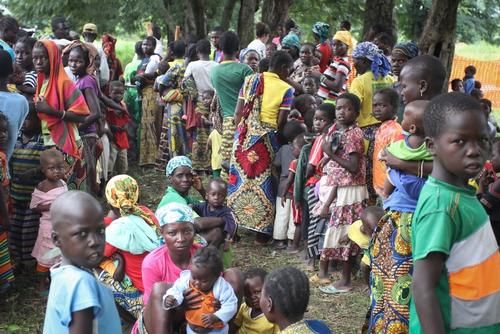
Women supplement the family’s diet with nutrient-poor greens know as Lum, a food source of last resort that is foraged by hand from outside the camp. Others, like this woman, sell their Lum at the market. This amount of greens fetches about six South Sudanese pounds.
South Sudan

"The root cause of these illnesses is overcrowding and sub-standard living conditions"

Each time the three-month-old exhales, it makes a rasping sound as her breath forces its way through her tiny, infected lungs. When the infant cries, her body contorts with the effort of breathing. Until recently, she’s been connected to an oxygen machine to support her breathing. Voices from the Field - 18 Nov 2015
 
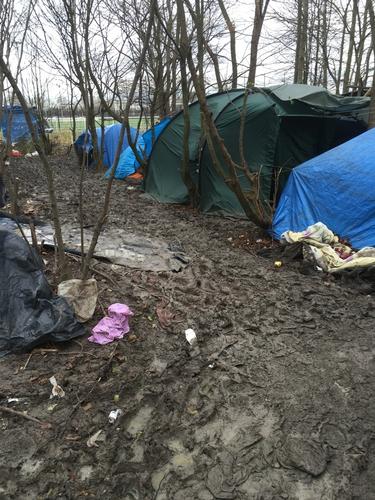
In July and August, 16,000 people arrived to the camp fleeing an upsurge in conflict and
hunger. They live in makeshift shelters in an an area of the camp not designated for
habitation. The conditions in this part of the camp are filled with trash, mud and barbed
wire.
3
South Sudan

Dramatic increase in patients in Malakal’s UN site as living conditions jeopardise health of thousands

Following an influx of 16,000 IDPs in July-August, conditions remain unacceptable and it's impacting the health of the population: the number of under-five children treated by MSF per week has increased 5-fold since June, largely as a result of poor sanitation and over-crowding. Project Update - 18 Nov 2015
 
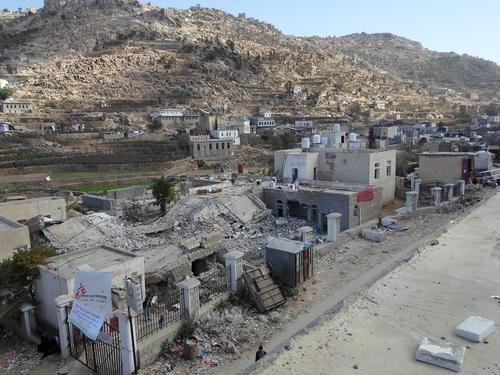
Haydan streets and buildings destroyed by the recent airstrikes.

The small hospital, in the Haydan district in Saada Province, was also hit by several airstrikes. With the hospital destroyed, at least 200,000 people now have no access to lifesaving medical care.
Yemen

“The air raids continued with 10 to 15 almost every day”

A Saudi-led coalition airstrike destroyed the hospital in Haydan that MSF supports. Programme coordinator Miriam Czech told us what she saw in the town in the days following the bombing. She added that the whole region is being targeted by the coalition airstrikes. Voices from the Field - 13 Nov 2015
 
MSF workers entering Colony 3 TB prison. Colony 3 looks like a small village where inmates are allowed to walk freely inside the compound without constrains from the administration. Territory is secured by double fences, armed guard towers, armed guard patrols, and a "pass-system" of entry. Medical and non medical staff work in close proximity with the detainees.

The internal hierarchy of the prisoners, which was inherited from the Soviet regime and exists today in all the republics of the former USSR, is a kind of "caste" system that is defined by a rigid unwritten code, functioning quite independently of the penitentiary administration. The authorities know that the castes exist and are aware of their rules and realities.
Ukraine

Termination of MSF support to MDR-TB programme in the penitentiary system after accreditation was cancelled on 19 October

The decision of the Humanitarian Committee of the self-proclaimed DPR authorities is leaving 146 patients without life-saving MDR-TB treatment and under those conditions MSF can no longer commit to resume activities in the penitentiary facility Colony 3 where the organization had been working since 2011. Project Update - 13 Nov 2015
 
msf-placeholder
Yemen

Living beneath the bombs in Haydan

The MSF-supported hospital in Haydan was struck and destroyed by airstrikes carried out by the Saudi-led coalition during the night of the 26-27 October. "Before the destruction of the hospital it was a very busy place with delivery – you know, a lot of kids were born in this hospital, " says Yann Geay. Project Update - 13 Nov 2015
 
Refugees getting water at a water point set up by MSF in Minawao refugee camp. In total, MSF set up around 10 water point in the camp.
Refugees, IDPs and people on the move

Challenges in Responding to Massive Displacements in Resource-poor Settings

MSF's Research Unit on Humanitarian Stakes and Practices (UREPH) is pleased to announce the publication of the e-letter "Challenges in Responding to Massive Displacements in Resource-poor Settings: The Case of Central African Republic Refugees in Eastern Cameroon" by Caroline Abu Sa'Da and Christine Jamet, written in response to the briefing by Welz "Crisis in the Central African Republic and the international response", published in African Affairs (2014, Vol. 113, No. 453, pp. 601-610). Journal article - 12 Nov 2015
 
MOAS search and rescue operators transferring people from their wooden boat to the MSF RHIB before bringing them onto the MY Phoenix. The MSF OCB Bourbon Argos vessel is seen on standby in the background.
Mediterranean migration

Provide Safe Passage

Testimonials from refugees rescued by MSF Search and Rescue operations. People need safe and legal ways to seek asylum and migrate.
Photo Story - 12 Nov 2015
 
Violence victims in Hôpital Général week 44. More than a month after the violence peak that shook Bangui, Central African capital, tensions and clashes between communities remain. MSF has received many wounded in Bangui’s General Hospital throughout the week. On 19 October, our teams took in charge 24 gunshots or stab victims.

Beginning of November, 19 other wounded (gunfire or grenade, including 4 women) have been treated in Hôpital Général. Our ambulances went to pick up the wounded from the different neighborhoods of Bangui, either Muslim or Christian areas.
Central African Republic

MSF reinforces medical activities in Bangui following more than a month of renewed violence

MSF runs mobile clinics in five sites for internally displaced people, and offers more than 1,000 consultations per week Project Update - 12 Nov 2015
Four mothers posing in a corridor of the Hospital in Bili. All four of them are staying in the hospital with their child, that's suffering from a severe case of malaria. Since the beginning of the project in 2016, the pediatric ward already treated more than 4.000 cases of complicated/severe form of malaria.
Médecins Sans Frontières (MSF)

Independent medical humanitarian assistance

We provide medical assistance to people affected by conflict, epidemics, disasters, or exclusion from healthcare. Our teams are made up of tens of thousands of health professionals, logistic and administrative staff - most of them hired locally. Our actions are guided by medical ethics and the principles of independence and impartiality. We are a non-profit, self-governed, member-based organisation.

Learn more