


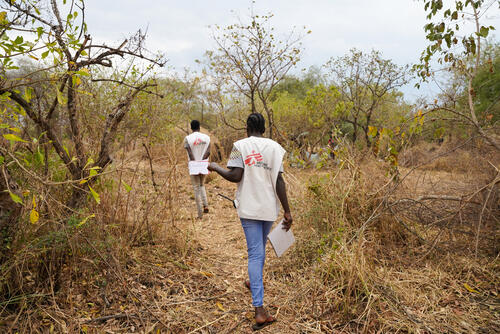
MSF outreach activities in Boma, GPAA
Content Portal

Latest

Daniel Kuju, health promotion supervisor, and Beatrice Johnson, community health educator, visit semi-nomadic communities in Labarab, Greater Pibor administrative area to conduct health awareness sessions. South Sudan, February 2024.
© Manon Massiat/MSF

Discover all our latest news, stories and publications. Use the filter to get to the content you're looking for.
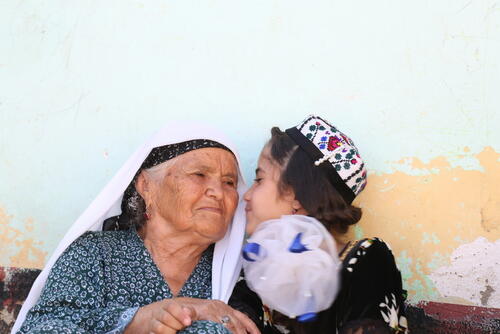
 
Paediatric TB Care - Dushanbe
Tuberculosis

Breaking the cycle: Paediatric DR-TB detection, care and treatment in Tajikistan

Report 17 May 2019
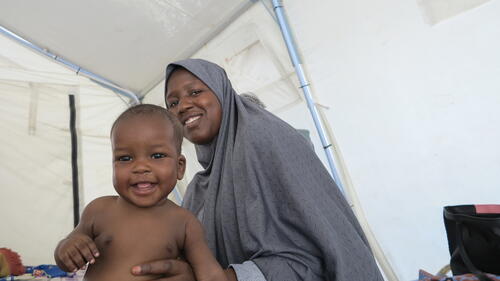
 
Measles outbreak in Maiduguri
Nigeria

“I have not seen such high numbers of measles cases”

Project Update 17 May 2019
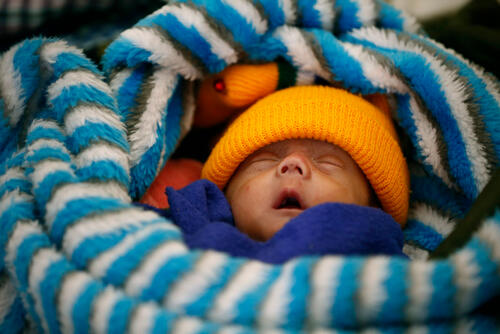
 
Goyalmara Hospital
أزمة اللاجئين الروهينغا

حديثو الولادة يكافحون للبقاء على قيد الحياة في كوكس بازار

تحديث حول مشروع 17 May 2019
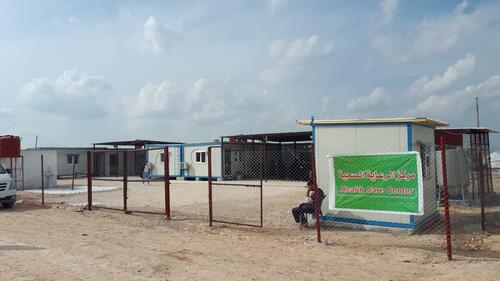
 
Al Hol camp, Al Hassakeh Governorate
سوريا

معاناة النساء والأطفال مستمرة في مخيم الهول

بيان صحفي 17 May 2019
 
Al Hol camp, Al Hassakeh Governorate
Syria

Women and children continue to suffer in northeast Syria’s Al Hol camp

Press Release 16 May 2019
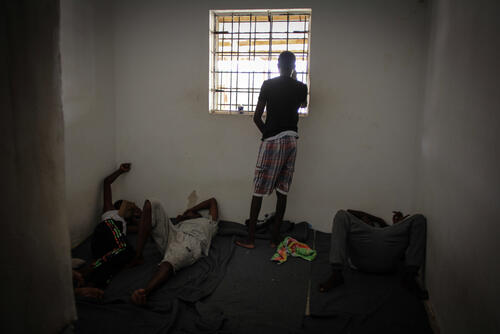
 
Condemned to drown at sea or be locked up in Libya
ليبيا

في مراكز الاحتجاز ظروف تفتقر للإنسانية وأوجه تخلو من المشاعر

أصوات من الميدان 15 May 2019
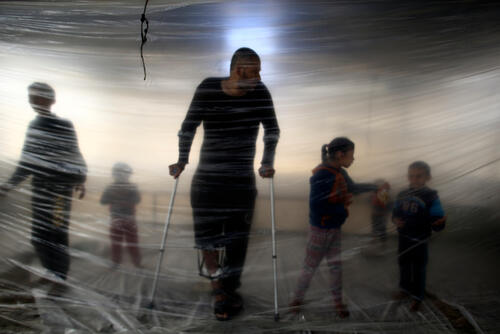
 
One year after the “bloodbath” of 14 May
فلسطين

جرحى مسيرة العودة عالقون في متاهة الألم‏

تحديث حول مشروع 14 May 2019
 
One year after the “bloodbath” of 14 May
Palestine

Gaza, one year after the protests’ bloodiest day

Project Update 14 May 2019
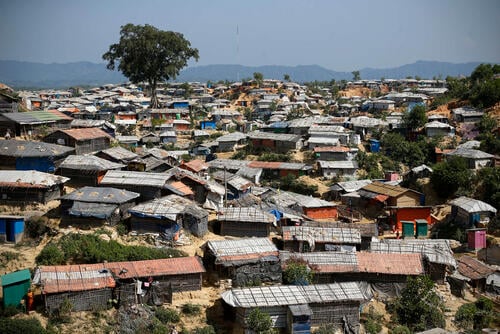
 
The “big road” in Cox’s Bazar
Rohingya refugee crisis

Crisis update - May 2019

Crisis Update 14 May 2019
 
Goyalmara Hospital
Rohingya refugee crisis

Saving lives that have just begun in Cox’s Bazar

Project Update 13 May 2019
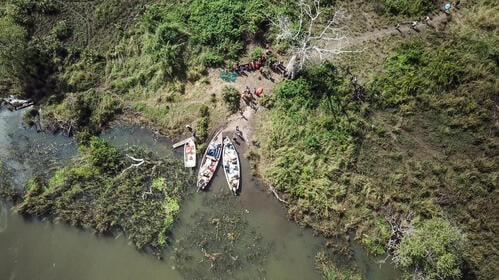
 
Distribution of NFI in remote areas
Mozambique

Update on MSF emergency response to Cyclones Idai and Kenneth

Crisis Update 13 May 2019
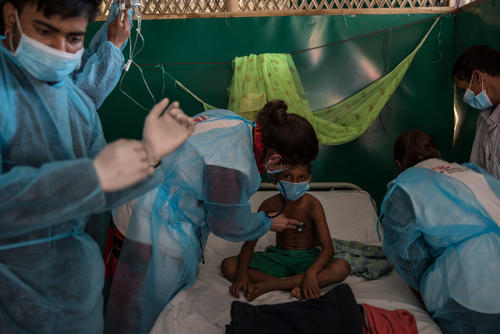
 
Rohingya refugees in Bangladesh
التقرير الدولي عن أنشطة أطباء بلا حدود لعام 2017

أصوات من الميدان

10 May 2019
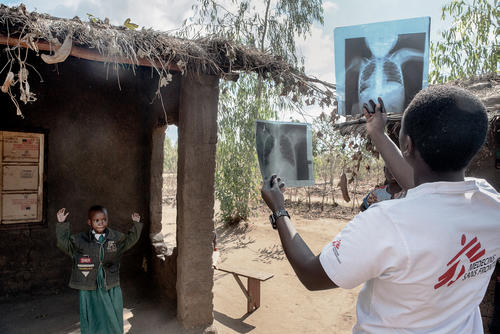
 
Chiradzulu: HIV care for adolescents
التقرير الدولي عن أنشطة أطباء بلا حدود لعام 2017

2017 في أرقام

10 May 2019
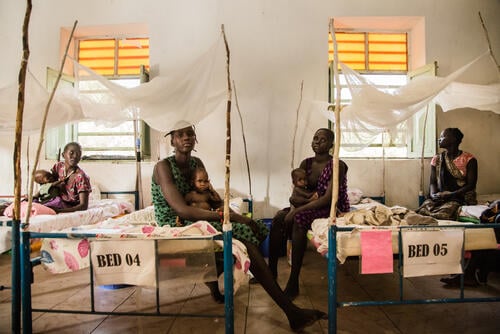
 
Violence and neglect in the remote northeast of South Sudan
South Sudan

New hospital in Ulang for people affected by violence and neglect

Project Update 10 May 2019

Speaking Out videos: Violence against Kosovar Albanians, NATO's intervention 1998-1999

9 April 1999

In Macedonia, several NGOs are criticizing the UNHCR for failing to fulfil its mandate to assist refugees. Samantha Bolton and Denis Pingaud of MSF denounce the agency’s absence, effectively replaced by the military.

Source: INA/France 2  (Video in French, translation in English available)

Journalist: Over the last few days, you’ve been watching reports from our correspondents on the deployment of humanitarian aid in Albania, and also in Macedonia where there are now some 100,000 refugees. And it is here in Macedonia that the effectiveness of the High Commission for Refugees is being contested by a number of humanitarian aid organisations which are accusing this United Nations agency of not fulfilling its mandate to provide these refugees with assistance.
Valérie Fourniou, Frédéric Pasquette :

Commentary: Mrs Ogata, high commissioner for refugees, began her visit to Macedonia with a tour of Brasda camp, a camp managed by Alliance troops that is currently home to more than 26,000 refugees. There is no HCR presence in this camp, so the tour was conducted by military personnel. Mrs Ogata then met with the Macedonian authorities to find out more about what happened to the refugees who disappeared during a particularly heavy-handed evacuation of Blace camp.

Sadako Ogata : “We now have a clearer picture of events.”

Commentary: The information she was given examination needed to be cross checked. She later learned that 1200 refugees had disappeared. They had been evacuated to Turkey and Greece.
But her main achievement during this visit was obtaining a border agreement.

Sadako Ogata: “I pressed for an agreement on borders and have been given assurances that they will remain open. The Macedonian president and I have drawn lessons from the events of the last few days. »

Commentary: Borders where, since the exodus began, the HCR has been conspicuous by its absence, like here in Jajinse, despite its mission to ensure the protection of refugees. At the borders and in the camps there are only Macedonian troops:

Nicholas Moris (HCR) : “As far as security is concerned, of course the HCR is not going to ensure the security of the camps. That's the government's problem. »

Commentary: MSF has reacted angrily to the HCR’s absence from the camps and borders where it should be registering the refugees:

MSF: “We are asking the High Commission for Refugees to do its job, to do what it’s supposed to do : to carry out its international mandate of ensuring the refugees protection and assistance. »

Samantha Bolton (MSF): “There should be no military involvement in humanitarian assistance. That’s what we’re here for, to organise the assistance. They should let us get on with it. Soldiers shouldn’t be doing it. Their job is war. »

Commentary: As for the Macedonian government, it is still keeping a close eye on the camps. Its troops ensure a constant presence

13 April 1999

Interview with Alex Parisel, General Director of MSF Belgium:  “When military interests prevail, civilians are jeopardised in the name of humanitarian aid.”

Source: RTBF (Video in French subtitled in English)

30 April 1999

In a report based on testimonies from Kosovar refugees in Macedonia and Albania, MSF describes the violence used by Serbian forces to drive Kosovars out of their homes.  

Interview with Dr. Philippe Biberson, President of MSF France’s Board of Directors,  

Source: INA/France 3  (Video in French, translation in English available)

Journalist: For weeks now, we’ve been hearing the same stories from all the refugees, harrowing accounts gathered by Médecins sans Frontières which has just published a report that is a damning indictment of the authorities in Belgrade. A report which has come as no surprise to the HCR which today claimed to have proof of an appalling massacre committed just a few days ago in a village in Kosovo.
Isabelle Sabourault, Joseph Tual:

Commentary: These refugees have been through the most horrendous experience. They all come from a small village in Kosovo called Medja. They are the survivors - mostly women, old people and children - and they all tell the same horrific tale. Their convoy was stopped by Serbian militia and all the men of fighting age, around a hundred people, were led away and massacred.

A woman: "They told him to go twice, but he just stared back at them. The third time they shot at him. Then he looked at our child – he didn’t say a word - and they took him away."

A woman: "They took three hundred of them. They led them into a small valley and we never saw them again."

A man: "They told me to go with the others. My mother started to cry, so one of the policemen said, leave him alone, he’s too young. I thought they were going to kill me."

Commentary: Terror tactics, families torn apart, systematic deportations, all these methods have just been described and analysed in a report by Médecins sans Frontières. The thousands of accounts gathered in Montenegro, Albania and Macedonia are clear proof that this is in fact a deliberate plan to drive out an entire population.

Philippe Biberson (MSF): "The method is always the same. They turn up at people’s houses at any time of the day or night and give them three minutes to get out. Anyone who resists is beaten. Violence is used to get people to leave, and that’s also one of the interesting aspects of the accounts we’ve been hearing. Violence doesn’t seem to be used to destroy people necessarily, but to get them to leave."

Commentary: The result is a country emptied of its inhabitants. The report also describes how people have been robbed of their identity. Before boarding these trains taking them into exile, more than half of the Kosovars had their papers taken from them, destroying any hope of return.

Anchor Links
Headline
Speaking Out videos: Violence against Kosovar Albanians, NATO's intervention 1998-1999
Background
None
Schedule content for publication
Off
Description
Speaking Out videos: Violence against Kosovar Albanians, NATO's intervention 1998-1999
Do not include into latest
On
Select caption
Short caption
Use a custom breadcrumb
No

Speaking Out videos: The violence of the new Rwandan regime 1994-1995

Rwanda: following the approval from the UN Security Council, the multinational military operation ‘Turquoise’, leaded by France to protect the civilian population is launched.

22 June 1994

INA/France 2. Video in French.

Amid the panic and confusion that followed the withdrawal of French Legionnaires from southwest Rwanda, the passage of Red Cross and NGO vehicles halted. Aid workers were unable to cross the border into Zaire to reach thousands of refugees in desperate need of humanitarian assistance.

21 August 1994

AP archives

Humanitarian action helps but has its limits and it must take care not to sustain a situation that is unsustainable in a long term. People will not leave the camp if no political solution presents itself.

1995

Extract from MSF documentary: "Rwanda: the humanitarian dilemma". Video in English.

5,000 prisoners accused of taking part in the genocide are crammed into a 700-place prison. Every day, some of them die of malnutrition, dysentery and exhaustion.

1995

Extract from MSF documentary: "Rwanda: the humanitarian dilemma". Video in English.

Tens of thousands of people have fled the Rwandan refugee camp where at least 2,000 people have been killed and buried in pits by RPA soldiers.

24 April 1995 

AP archives

At least five thousand refugees are reported to have been killed by Rwandan soldiers or trampled to death in a camp in south-west Rwanda.

24 April 1995

AP archives

The Rwandan President, Pasteur Bizimungu, visits the Kibeho refugee camp. He is accompanied by members of his government and the army command.

27 April 1995

AP archives

Interview of Wouter van Empelen, MSF Holland program manager. 

October 1995

MSF - Video in Dutch, subtitled in English.

Conditions of detention for Hutu prisoners in Rwandan prisons continue to deteriorate. Gitarama prison, designed for 400 inmates, now holds 7,000. 
Diseases are widespread 
and detention conditions are so poor that many prisoners have had their feet amputated after standing up for long periods.

11 August 1995

AP archives

After the Rwandan genocide, will justice be obtained? A few people are trying to establish the facts, gather testimonies and write history.

1995

Documentary from Frédéric Laffont. Video in French.

Humanitarian NGOs expelled from Rwanda have begun to withdraw. MSF France, one of the main humanitarian actors, believes that the expulsions are motivated by the fact that the Rwandan government considers them to be a disruptive element in the country. The organisation has asked the government to justify the expulsions.

17 December 1995

AP archives

Anchor Links
Headline
Speaking Out videos: The violence of the new Rwandan regime 1994-1995
Background
None
Schedule content for publication
Off
Description
Speaking Out videos: The violence of the new Rwandan regime 1994-1995
Do not include into latest
On
Select caption
Short caption
Use a custom breadcrumb
No
 
MSF restarts HIV-related activities in Beira after the Cyclone Idai
Mozambique

Treating HIV in the cyclone-devastated city of Beira: “We cannot abandon them”

Project Update 9 May 2019
 
Condemned to drown at sea or be locked up in Libya
Libya

More than medicine: A look at mental health needs in detention

Voices from the Field 9 May 2019

Speaking Out videos: Somalia 1991-1993: Civil War, Famine Alert and a UN “Military-Humanitarian” Intervention

Frontline Doctors - Pontfilly, Laffont - MSF source d’information en Somalie

1991 - A Corps – Pontfilly, Laffont - MSF à Mogadiscio (English)

1991 - A Corps – Pontfilly, Laffont - Interview du directeur de la collecte de fonds de MSF France (French)

1992 - March, MSF Archive - Interview MSF France coordinator in Somalia (French)

29 April 1992 - Interview of MSF Coordinator in Somalia

Presenter: So we’re going to link up perhaps with Médecins Sans Frontières, who are going to have a logistics base here in Mérignac in a few months. MSF is currently working in Somalia, a country facing civil war. Our reporters were still in Mogadishu just a few days ago.

Reporter: Mogadishu, the devastated capital of a non-nation, non-State. There are no functioning structures or systems, no water, no electricity, no communications. There is only one diplomatic mission--Egypt's. Only M16s and Kalashnikovs have any legitimacy here, and armed violence is the only law. Toppled dictator Mohamed Siad Barre’s troops have just fallen back toward the Ethiopian border after launching another offensive against the capital, Mogadishu, which is split between two rival clans. The March 3rd ceasefire agreed to by Generals Aidid and Mahdi was supposed to allow UN food aid, but for obvious security reasons that still hasn’t happened.

Patrick Vial: We really hope that either next week, or at least in the next two weeks, the first boat or even several boats will be able to get here. We really hope for that. If the boats can’t get here, there is going to be very, very serious unrest, I think, and the NGOs may have to leave.

Reporter: A preliminary assessment today found at least 400,000 IDPs in precarious circumstances in Mogadishu and south of the Somali capital. There are numerous cases of malnutrition, the famine threshold has been reached, and the mortality rate in some camps has reached 20 deaths per 10,000 people per day. Western medical teams are still seeing gunshot victims daily. One of the NGOs working in Somalia, Médecins Sans Frontières operates every day, morning and night, under armed guard.

Patrick Vial: Aside from Liberia, which was a bit like Somalia, I don’t see or know of any other place in the world where it’s so difficult to work.

Reporter: The UN Security Council just decided to send fifty unarmed observers to ensure the distribution of international food aid. That seems very inadequate in the current chaotic situation, according to the humanitarian organisations still on the ground.

1992 - Urgence Nutritionnelle en Somalie

16 September 1992 - ABC - Déclaration de Rony Brauman devant le comité des affaires étrangères du congrès étasunien (English)

September 1992 - CCE

20 October 1992 - France 2 - Valérie Fourniou - Interview of MSF Medical Coordinator, Somalia (French)

Presenter: We’re going to watch a story right now. The central figure is Mohamed, who is eight years old. Mohamed was wounded, lost his family, and has been all but adopted by Médecins Sans Frontières. This is the story of a child dealing with the absurdity of Somalia’s civil war.

Reporter: Mohamed’s only moment of tenderness, a walk, side-by-side, hand-in-hand with the woman who saved his life and who eagerly waits for him each day.

Brigitte Doppler: Mohamed was one of the very first casualties to arrive at the operating room in the last war, which started November 27th, 1991. On the second or third morning we found him in a wheelbarrow in front of the OR, his right leg completely blown apart. A mortar had fallen on their house a few hours earlier. We took him into the OR straightaway; we had no choice but to amputate.

Reporter: Since then, Mohamed has lived right here, in front of the MSF operating room door, in a burlap shelter with his grandmother, sister and brother, the family’s only survivors.

Mohamed’s grandmother: Here is Mohamed before the war, here is his sister Fatoum, here his brother Fahrir and here is their mother who died. They have no parents anymore. How are we going to live now? I’m too old to work; I spend my time looking for a bit of food.

Reporter: The hospital is their only shelter. Far from the city’s violence, sporadic gunfire and looters, a refuge for the children without parents.

Brigitte Doppler: The whole country is destroyed, the city is destroyed. We have no idea what their future will be. There’s no school, there’s nothing. The only place he can survive is here, for now, or else become a street kid like so many others. He has his house here, so he stays.

Reporter: As long as he stays away from adult violence, Mohamed will keep playing his childhood games, but he’s already mimicking their gestures.

20 October 1992

Presenter: So as we were just saying, the aid from the West, from USA, from France, is very real.. But distribution is precarious in a country that is, unfortunately, in the midst of a civil war. Recently, MSF attempted a small foray fairly far – several hundred kilometres – from the capital.

Reporter: In Abel Barba, the whole village, from the most able-bodied to the frailest, is involved in building what will be a feeding centre for children, and for the first time everyone is setting aside their internecine quarrels and clan rivalries.

Jean-Luc Pleigner: For this village, I’m pleasantly surprised, it’s pretty rare to see, everyone’s involved and things are progressing at a phenomenal pace. We should be able to start in three or four days. We have our screening room where the children come in and get weighed, and we give them bracelets so we can recognize them. After that there’s the kitchen and the storeroom, where we’re going to store all our goods.

Reporter: Like everywhere in Somalia, food is always protected and closely guarded. Médecins Sans Frontières gives the children – especially the weakest ones – an energy porridge called Unimix. But before that, as at the other centre that just opened in Kansardere, a doctor auscultates them and conducts an initial screening.

Isabelle Fournier: The ones that come are the ones that are mobile. We see malnourished children, since our criterion is malnutrition, but there are certainly many more all around us, not very far away, in the trees. We know that there are whole families that are unable to come because they're too weak, and we're going to try to help them, too, by going out to look for them, doing active detection.

Reporter: And the scale of the tragedy is becoming clearer every day. Famine, of course, but also scabies and TB. All these diseases due to a lack of water and hygiene. News of the centre’s opening has spread quickly well beyond the villages, and people are crowding around the only source of safe drinking water.

Jean-Luc Pleigner: We bring the water in on donkeys, in 200-litre barrels.

Reporter: You mean there aren’t any wells?

Jean-Luc Pleigner: No, they’ve been completely destroyed or plugged in the war. So the only supply is from these small lakes or ponds around here, so the water is filtered, chlorinated and then brought here.

Reporter: In the space of ten days, Médecins Sans Frontières managed the impossible in this stricken country: to build, rebuild, and give two villages some hope of life. But the tensions and out-of-control armed conflict would get the better of their efforts. A few hours after we left, the entire MSF team had to evacuate the sector until the situation cooled off.

20 October 1992 - France 2 - Les gueux en Somalie - Interview of an MSF Logistician (French)

Presenter: This morning, after a 12-day wait, the rice collected in France was unloaded near Mogadishu. But solidarity is a thing of the past in this country; some are excluded from humanitarian aid.

Journalist: Under heavy guard, rice and broad beans are protected from the down-and-out and especially from low-lives of all stripes, willing to kill so that they can sell their loot for a handful of Somali shillings. International aid has arrived, for the first time, in the village of Kansardere, and those now getting around are the most able-bodied, survivors of the year-long famine. But away from the village, not far from the distribution, are the outsiders – people who don’t belong to the group or clan.

Outsider: I’m a nomad; I have two children, my husband was killed and no one is helping me. Grass is all we have to eat.

Reporter: Everywhere around the village, they wait for someone to deign to take care of them.

Jean-Luc Pleigner: Those people are nomads, IDPs. They’re treated like lepers, or beggars; they get pushed away.

Reporter: No one helps them?

Jean-Luc Pleigner: No, there’s no solidarity; they depend solely on us.

Reporter: How many of them are there around the village, the beggars? Many of them are lame, or orphans, and of course abandoned old people.

Village head: Yes, we give him something to eat, a little… A little…but well, he has no family anymore, you know.

Reporter: The distribution just started; a few of the nomads will manage to slip in among the villagers and get a ration of rice, a reprieve. As in all wars and all famines, solidarity is gone. And the primary mission of international aid organisations is to help those who have no weapons to defend themselves, to survive.

5 December 1992 - France 2 

TV presenter: So let’s start with Somalia where the looting of food supplies goes on, making a military intervention more necessary than ever. Today, armed gangs held up yet another convoy attempting to deliver cereal. These gangs are getting rich on humanitarian assistance. How will they react when the first international forces arrive? This is the question on everyone’s lips here in Somalia where Bernard Kouchner has come in person to oversee the delivery of bags of rice from France. Here’s a report from our correspondents, Jérôme Bony and Alain Dumas:

The police now play a very minor role in the Somali capital. The people in control are known here as the "technicals". Skilled in the handling of weapons, they roam the town in Land Cruisers equipped with heavy machineguns.
Today, Bernard Kouchner, accompanied by a representative of the United Nations Children’s Fund, is crossing the demarcation line that separates the southern part Mogadishu from the northern part of the city. Each of these parts is occupied by one of two clans from the same tribe that today hate each other with a vengeance. They will be meeting the man who runs the northern sector, interim president Ali Mahidi, who claims to be in favour of the arrival of foreign troops with a mandate to restore the peace. This is why, he adds - optimistically, the price of a machine gun on the Mogadishu market has gone down from 5000 francs to 1000 francs . He is also keen to show our minister the weapons he claims to have withdrawn from his fighters, although some of these vehicles simply look broken down.
On this Saturday morning, the Minister for Health looked more like President Mitterrand’s special envoy on a tour of inspection before the landing of the American and then French troops. But this afternoon, he was again wearing his humanitarian aid hat when he helped unload the 4000 tonnes of rice sent out in October by French schoolchildren. Bags whose precious content was left waiting offshore for two weeks in the hold of the cargo ship, Tadorne II, unable to dock because of the fighting, but which have finally reached the beaches of this famine-stricken land.

Bernard Kouchner: "They felt all the symbolism surrounding this gesture by French children; I mean they know about how the schools contributed, and the post office, and about everyone who helped us, and that each bag of rice is a donation from a child from among 13 million French people. So I think they felt the weight of the determination for peace."

Nearby, hundreds of people are waiting, each representing a whole family. Many of them have walked for days for their share of this precious mixture of rice, oil and - for want of meat – beans. This food distribution is the crowning achievement of the outpouring of solidarity by our schoolchildren towards the children of Somalia, where a third of the population is threatened by famine and 250,000 people may be dead by Christmas.
There are about 800 kitchens like this for the whole of Somalia; most of them are run by the Red Cross. But many of these kitchens are inland, in the combat zones, where getting supplies through is very difficult, more difficult than in the Mogadishu region. And this is why the people here are eagerly awaiting the intervention by the American troops that could take place on Monday, and that of the French and the Europeans at the end of the week.

7 July 1993 - RTBF - Interview with MSF Belgium coordinator / Interview Coordinateur MSF Belgique sur abus des casques bleus belges à Kisimayo (English/French)

May 1993 - MSF France - Journal de l’année (English)

9 June 1993 - France 2 (French)

Presenter: In Somalia, the situation is still extremely tense after Saturday’s ambush that killed twenty-three UN Peacekeepers. The UN is preparing to attack those responsible and, fearing reprisals, has asked humanitarian organisations to leave the country quickly.

Presenter: CARE already left yesterday, and this morning AICF announced it would follow shortly, for security reasons. Since last night, leaflets hostile to the UN forces have been distributed in the capital.

Reporter: On this road from Mogadishu to Baidoa, armed groups have targeted humanitarian organisation vehicles not escorted by UN military vehicles on a regular basis. AICF had nevertheless decided to stay, like here in the village of Burakaba, but since the ambush that killed 30 Pakistani UN Peacekeepers in Mogadishu, it decided – like MSF and Pharmacists without Borders – to suspend its mission in Somalia. Everyone fears reprisals against the staff, because the UN soldiers are reportedly on the verge of striking those responsible for Saturday’s ambush.

Christelle Breton: I think it’s mostly armed groups working on their own. What they want, in fact, is to loot cars, steal cars…and they won’t hesitate to kill for that.

Reporter: Twenty-one people from AICF will be leaving the country, though they've fed thousands of children and treated hundreds of patients for months with their two doctors and six nurses. Their activities have helped nearly 80,000 people. The departure of several humanitarian organisations from Somalia leaves the population facing new food and medical aid problems. Only the 18,000 UN soldiers will now be in a position to distribute that food, which the Somalis still need very badly. The humanitarian organisation had until 2 pm to leave the country.

27 July 1993 - France 2 - interview with Rony Brauman, MSF France President (French)

TV presenter: Rony Brauman, good evening You are the president of Médecins sans Frontières, thank you for coming tonight. You waited a month and a half before lodging your complaint against the UN. Were you hesitant about going up against such a major institution?

Rony Brauman: No, not really. We just wanted to take the time to get our facts straight, and then to build our case, draft it, translate it and send it off. And so it’s taken us until today to officially lodge this complaint. But the reasons for that were purely technical.

Presenter: There were also MSF doctors inside the building. In your opinion, was this a blunder or a deliberate attack.

Rony Brauman: No, I think it was a blunder, but a revealing blunder, as it was clearly part of an escalation of a visibly military nature. As time goes on, the United Nations – which at first were, let’s say, military-cum-humanitarian –, have become less and less humanitarian and, dare I say it, more and more military. But they’ve kept the humanitarian label, of course. And bit by bit, by putting down demonstrations that they considered threatening - and some of them were, and by carrying out reprisals against the troops of General Aidid, - understandable reprisals, they’ve become indiscriminate, coming down on the civilian population in the same way, or practically the same way, and on the headquarters of a humanitarian organisation, on a hospital with sick and injured people. In other words, yes, it was a blunder, but it was due to an implacably military-style escalation which has given us the impression that the UN, supposedly here to try and restore law and order and possibilities for dialogue, and to enable humanitarian operations to go ahead, has in fact been reduced to the rank of yet another Somali clan, running its own war, killing children, women and civilians blindly, mercilessly.

Presenter: So what can be done to resolve the problems caused by the UN wearing two hats: one humanitarian and one military?

Rony Brauman: Well, as we’ve said from the start, for the UN’s humanitarian agencies to be able to take action and deploy these two hats need to be on different heads. This is what we hope for and this is what we are urgently calling for. We need them, and it is crucial for them to be in the field. But the humanitarian approach, humanitarian assistance must be allowed to go its way, and the politics - and any military means that go with it - should go theirs. Then we will avoid - although not completely - we’ll avoid the growing confusion that is causing aid workers in Somalia to be suspected of the darkest of motives because, after all, you might start out as an aid worker but you end up with a gun.

Presenter: MSF has withdrawn from Somalia since these incidents.

Rony Brauman: Yes, we withdrew in April, and then we came back when the tension was at its height because we still have a base in Somalia. But we withdrew because the emergency was over, that’s important to know and it's a good thing, and also because we considered that running longer-term projects wasn’t an option given the growing risks and tension.

Presenter: Rony Brauman, thank you very much

6 October 1993 - France 2 - Interview with Rony Brauman, MSF France President (French)

TV presenter: Rony Brauman, good morning. MSF left Somalia a few days ago, openly criticising the UN as it went. Do you think there really is "slippage", as we call it, in the UN’s mandate at the moment?

Rony Brauman: I don't just think so, I see evidence of it every day. To begin with their engagement was military-cum-humanitarian; but it gradually became less and less humanitarian and more and more military. It has now become unacceptable. Troops who engaged to defend humanitarian principles, for moral reasons, are firing on civilian demonstrators, on hospitals, and are even attacking aid workers and journalists – although unintentionally of course. It is totally unacceptable and it is my belief that we needed to put our foot down, at least to make sure it wouldn’t happen again.

Presenter: In short, you’re leaving so as not to be associated, as you say, with a military operation.

Rony Brauman: We’re leaving for two reasons. Firstly, because the life-threatening emergency is now over. Fortunately, the famine is behind us. Well, for lots of reasons in fact, some due to the military intervention, but also because the famine had already been brought under control before this intervention took place. And because the risk of our staff being taken for soldiers is growing all the time. We used to be at risk of a stray bullet; now we are in danger of becoming the direct targets of certain armed groups who take us for military personnel.

Presenter: So you’re in more danger now than during the famine, yet the people were hungry then and out in the streets?

Rony Brauman: Its paradoxical, but true. We’re less safe because before the risks were created by a war whose consequences didn’t implicate us. We were respected as members of a humanitarian aid organisation. Today, the armed groups take us for soldiers, for an invasion force, as Valérie Fourniou explained so well in your report. And so we have become direct targets. One of Médecins sans Frontières' vehicles was attacked three times within 80km on the road from Merka to Mogadishu. That’s a clear sign of how serious the security problems have got. But given the huge number injured people – over the last few days almost 1000 wounded people have arrived at the hospitals - we are getting ready to send a team of surgeons back in - in slightly better security conditions.

Presenter: What kind of relations did you use to have with warlords like Aidid who we’re hearing a lot about at the moment?

Rony Brauman: They were always very complicated because each warlord wanted to claim the political and material benefits of humanitarian aid for himself. But something that wasn’t always understood is that we did have some room for negotiation. In fact we were able to apply pressure by playing on the rivalries between the clans, and we managed to secure the safety of our teams, forward aid to where it was most needed, and we at Médecins sans Frontières, along with the International Red Cross and lots of others, were able to deploy our teams throughout the country. So humanitarian aid was possible, but military action did absolutely nothing to help the aid workers do their job – and I think that’s what needs to be understood.

Presenter: Rony Brauman, thank you very much

21 October 1993 - France 2 - Interview with Patrick Vial, MSF France coordinator in Somalia (French)

Commentary: A handover, an agonising withdrawal. But for Patrick, there can be no question of MSF condoning the United Nation’s action by its presence.

Patrick Vial (MSF) : "I’m one of those who spoke out to draw attention to Somalia. So I feel really concerned about what’s going on now because I feel a bit responsible for the arrival of the United Nations here, a bit at fault. But I think we must keep speaking out, not just for the sake of the Somalis, but to defend the very idea of aid work, to keep humanitarian aid untainted. If aid operators now have to play second fiddle to armies or governments who place their own foreign policies before the priorities of the United Nations, then this is extremely worrying and I think more people need to react, not just people, governments too."

Although Operation Restore Hope failed in its mission in Somalia, it succeeded – in the name of the right to intervene - in tarnishing the idea of humanitarian aid, in sullying the work of aid workers who, like Patrick, want to remain neutral and independent. “I don’t want to lose my humanitarian soul”, he told us as he left.

May 1994 - MSF Archive (English)

Anchor Links
Headline
Speaking Out videos: Somalia 1991-1993: Civil War, Famine Alert and a UN “Military-Humanitarian” Intervention
Background
None
Schedule content for publication
Off
Description
Speaking Out videos: Somalia 1991-1993: Civil War, Famine Alert and a UN “Military-Humanitarian” Intervention
Do not include into latest
On
Select caption
Short caption
Use a custom breadcrumb
No

Speaking Out videos: Famine and forced relocations in Ethiopia 1984-1986

October 1984

Interview Dr. Brigitte Vasset, MSF:F Medical coordinator, on famine in Korem, Ethiopia

BBC

October 1984

Michael Burke’s report on famine - interview Dr. Brigitte Vasset, MSF:F Medical coordinator, on famine in Korem, Ethiopia

BBC 

23 December 1984

Interview MSF France Dr. Francis Charhon, on famine and MSF aid in Ethiopia

Antenne 2/INA 

TV presenter: “Do they know it’s Christmas?” Here’s the record. And even the Herald Tribune has devoted a whole page to Ethiopia in its European weekend edition, with these pictures of the desolation. So this evening, we’ve invited Francis Charhon from Médecins sans Frontières to talk to us about what he has seen. Thank you for coming tonight. You're just back from Ethiopia…

Francis Charhon: Yes, I’m just back from Ethiopia, and I must say that in the seven years I’ve worked for Médecins sans Frontières I’ve never seen anything like it. We have encountered all kinds of situations, famines and wars. But this is the first time with such huge numbers of people. We're talking about millions and millions; eight million people are affected by the famine and some 500,000 or 600,000 have already died of hunger and hunger alone.
 

Journalist: You went to Ethiopia last June.

Francis Charhon: I went for the first time in February.

Journalist: February...

Francis Charhon: And we launched a mission that is still going but has grown a lot since then: there were four doctors and nurses to start with and now there are twenty-two. And we’ve been trying to address the needs over there. Towards July, we thought the situation was improving a bit.

Journalist: You went back in July, is that right?

Francis Charhon: Yes, that's right.

Journalist: But in fact you’ve seen things get worse this year, between February and December 84?

Francis Charhon: Yes, we thought that things had calmed down a bit in July. But it was a false impression. People went home because it was the rainy season; they went back to plant their crops. But then the rain didn’t come, and so masses of people came back to the food distribution centres; it was absolutely incredible! For example, where we were working, we saw 80,000 people from all over arrive for treatment. But we couldn’t do much, because drugs aren’t enough: they needed food, nutrition.

Journalist: And what do you actually do in the field, on site?

Francis Charhon : Well, we treat people, like doctors usually do, but like I said, we have been at a loss because it isn’t enough to give people medicine, they need food too. So now we’ve changed the way we work and we’re also providing milk and special high-protein foodstuffs. But the needs are gigantic. We have to bring in 40 tonnes of milk and 20 tonnes of special high-protein foodstuffs every month, which means we need gigantic amounts of aid. The truth is that the situation hasn’t had as much media attention in France as in England, for example, so we hope you’ll keep doing what you’re doing.

Journalist: Yes, earlier tonight on TF1, Jean-Loup Dabadie, who everyone knows of course, was saying how difficult this subject is to talk about. I’ll quote him. He said: “We say all the right things. We’re sincere at the time. It makes us feel better or guilty for a while, but then we all sit down to eat”. My question is very simple: what can be done, what can we actually do, rather than thinking of ourselves first, our own personal pleasures?

Francis Charhon: I don’t think people need to feel guilty about the way they live. I think it’s more a question of solidarity. It’s true that if we can save a little and give a little to show solidarity with these countries, if everyone gives a bit of money, like he was saying this evening, it’s true that all these small gestures will help us provide a lot of things on site. We’re the only French medical organisation working over there, and if we receive donations and food, we’ll make sure it all gets through and it’ll help save thousands of women and children.


Journalist: It’s true that, for example, in a dispatch I read that 20,000 tonnes of French wheat have been sent out to the Sahel by the French Federation of Cereal Cooperatives. So some action is being taken. But in the States, American emergency aid is being sent out tomorrow for the Ethiopian refugees. And 10,000 doses of measles vaccine are also due to arrive in Ethiopia tomorrow, and a military aircraft landed in Kousala in Sudan today, carrying water tanks, medical tents and 4500 blankets. The movement seems to be much stronger in the States, and in the UK and Germany. A French Euro MP was telling me recently that he hadn’t received many letters and that his English and German colleagues were receiving much more mail. Perhaps there’s less awareness on our side.


Francis Charhon: Yes, like I said, we’re the only French organisation out there, so less information is getting back, whereas England and Germany have had a very strong presence in these countries for a long time. These are British zones of influence and they send back vast amounts of information. Films have been shown on British television that have really affected people. But I think this famine is likely to go on for another eight or ten months. So even if we’re late getting started, it’s never too late in any case.

Journalist: It’s not too late to think about others.

Francis Charhon: I think we have to keep going. Things are going to be difficult until July or maybe even October of next year.

Journalist: They were expecting rain that never came?

Francis Charhon: It should have rained in July and August, but the rain never came or not enough of it to make any difference. The next rains could come in February, but it'll only be light rainfall. The main rains are usually in July, August and September. If there’s as little next year as there was this year, it’ll be an absolute disaster. But for the moment, the only think we’ve got time to think about is the emergency. We’ll try to look at development issues, agronomy problems, etc. later. But for now our only priority is the emergency.

Journalist: For the moment, it’s the emergency.

Francis Charhon: Yes, the emergency.

Journalist: You’re providing medical care.

Francis Charhon: Of course. But every morning you get up and you see that a hundred people have died in the night, died of cold, disease - typhus and diseases like that, and of hunger too. It’s very depressing to be helpless to prevent people from dying. And every morning, imagine 100 deaths a day on just one site, that’s 3000 a month. And there are loads of places like that across the country, so it's a problem that has to be dealt with now, immediately.

Journalist: Still, it’s fantastic what all the British rock stars have done, getting together like that and of course donating the profits from the sale of this record. Here’s another reminder of the title, it’s on sale now, it’s not in French, it’s “Do they know it’s Christmas?” It’s really amazing what they’ve done.

Francis Charhon: I think it’s fantastic. If we could do the same thing in France, it would be phenomenal! I think the French are just as generous as the English, so there's no reason why not. But of course, this is an awareness issue, and there are times when we’re more open to this kind of thing than others. But the needs are enormous and I think it’s really crucial for people to help us with records or in any way they can.

Journalist: This was a subject that needed airing, thank you for coming here to talk to us tonight.

Francis Charhon: Thank you for the opportunity.


Thank you again Francis Charron, and don’t forget, "Do they know it's Christmas?".

bbcmotiongallery.com

BBC - 'Band Aid' 

Link to Video

December 1984

 EUP - Famine en Ethiopie, le désespoir

7 October 1985

Chanteurs Sans Frontières aide MSF

 Antenne 2/INA 

TV presenter: A concert without borders is happening at the Courneuve next Sunday, a benefit concert by the French singers who made the record in support of the famine victims in Ethiopia. 2 million copies of this record have already been sold and one billion francs donated to Médecins sans Frontières.
So how is this money being spent? That’s the big question – one that has also been asked by the American singers and the organisers of the concerts at Wembley and in Philadelphia. Hugues Auffray is one of these French singers. In fact, he’s the one behind the record. He’s been out to Ethiopia to see things for himself and we’ll be hearing from him in a moment. Pèlerin Magazine was also out there to cover Hugues Auffray’s visit and see how the camps are being organised. Here’s Jean-Marc Cara’s report, with commentary from Frédéric Astoux:

Commentary: This is Kelala camp, in the south of Wollo, the region worst affected by the drought. Here, thanks to money from the sale of a record made by French singers without borders, Médecins sans Frontières has been able to open a new health and food distribution centre. In Kelala, the farmers have gone hungry for ten years. Today their grain stores are empty, so they have come to this camp in search of food. Here, the most undernourished children will be given vitamins and almost 2000 calories a day – for as long as the supplies keep coming. The camp is totally dependent for these supplies on the big Polish air force helicopters that fly in from Addis Ababa every day. And it was on one of these helicopters that Hugues Auffray travelled to Kelala, as there are no decent roads to this remote location.
The second Médecins sans Frontières camp was built last June with money from the record sales. It is in Sekota, in the north of the region of Golo, in an area near Tigray, which is one of the regions involved in the conflict with central government. In this tent camp, set up on the outskirts of the town, more than 2000 people can also find food and care. The medical team gives them four to five meals a day. The basic diet is a sort of porridge made with rice, oil and milk. As in Kelala, the camp managers’ main worry is getting the food supplies through, as Sekota is also in a very isolated area. At the moment, most of the food and medicines comes in by plane. But this air link is very costly, almost 6000 francs per tonne. So with the money from the record, Médecins sans Frontières has also bought nine trucks that have just arrived in Dessié, the region’s capital. Thanks to these trucks, MSF will be able to make regular trips to and from the main humanitarian aid depot - although driving along these tracks - waterlogged by the first rain to fall in ten years – is no easy task.

Yves Thibord (MSF) : "It’s true that driving on these tracks is quite a feat. I’m no expert, but I’m beginning to get used to it; there are rivers to cross, fords, things like that, and then there are the security conditions. We’ve got soldiers to protect the convoy."

Commentary: But Médecins sans Frontières' work here started well before the record to raise funds for the drought victims was brought out. Here, in Korem, one of the organisation’s biggest camps, it is no longer hell on earth. At the beginning of the year, 150 people were dying every day. Today, there are only two or three. But the refugees in Korem are now preparing for another ordeal. The children may be smiling again, but their parents fear the onset of winter. So they have written a song and have taught it to Hugues Auffray: "Ferenji, coperta, foreigner, blankets to survive".

5 February 1985

Report on famine and forced relocations in Ethiopia/ Reportage sur la famine et les déplacements forces en Ethiopie (French)

 Antenne 2/INA 

TV presenter: With a famine raging in Ethiopia, the country’s government, unable to provide subsistence for the population in several regions and unable to get international aid through to them, is carrying out population displacements that in most cases are only providing these starving people with a very temporary means of survival.
Report by Hervé Brusini and Alain Saingt:

Commentary: Washing the children of Korem is a long and difficult process. Meanwhile, at the other end of the camp, food is being distributed. There are 20,000 people here. Today, there will only be one meal. Ironically, in a country hit by drought, a storm has just delayed the process. Those people over there, like this woman, are wearing a bracelet, a simple bit of plastic that gives them the right to eat. The doctors distribute them to the weakest.
700 calories per ration. In France, we consume between 2000 and 2500. Those who don’t have bracelets scrabble for whatever is left over. Sometimes the camp authorities promise 15kg of grain and a blanket to anyone who agrees to leave. Sometimes they are not so subtle. Bracelets are removed and children suddenly become orphans.
Some parents are taken to an airport like this one. A soviet pilot explains his role:

Journalist: “What are you transporting in your plane?"

Pilot: "Different kinds of foodstuffs, large quantities of food, I don’t know what exactly. But usually I transport people and food."

Journalist: "People? It's for the population transfer? Where to they get these people?"

Pilot: "They get them in Tigray and Eritrea. Then they bring them to Addis-Ababa, and then they’re taken south to other regions."

Commentary: In Addis Ababa, there are thousands of displaced people in transit. The Ethiopian government wants to transfer 1.5 million people from the arid provinces of the north to the more hospitable regions in the south where the authorities have promised them 2 hectares of land. We have not been authorised to go there ourselves.
The international organisations have serious reservations about these displacements. Others see these transfers as a way of emptying the provinces of Eritrea and Tigray of their population - provinces that have been rebelling against Addis Ababa for twenty-five years:

Man: "It's not true. These people in the camps are dependent on French, German and British food aid to survive. They want to go to a region where there’s water, forests, food to eat, where the climate is good. And the government is helping them to go there."

Commentary: Another day begins in Korem. Some people are thinking about whether to go south. This woman expects nothing more from life: her two children died in the night.

24 October 1985 

Colloque Liberté Sans Frontières Interview Dr. Claude Malhuret, MSF France General director and President of Liberté Sans Frontières

France 3/INA

TV presenter: Today third-worldism is in the dock. There is criticism on all sides of the mistakes, the resounding failures even, of a third-world policy that is now thirty years old. But the fact remains: the third world needs aid. To find other ways of providing it, a symposium was held in Paris yesterday, organised by the Liberté sans Frontières Foundation, a foundation created by the organisation Médecins sans Frontières.
Frédéric Astoux :

Commentary: "For the leaders of Liberté sans Frontières, the failure of current aid policies is due to an overly simplistic conception of what they call ‘third world doctrine”. This, they say, is partly because this doctrine, which condemns the pillaging of the third world's resources by the western world - hence the famous slogan " the rich man's cow is eating the poor man's bread“ - is a doctrine of blame. Yet nothing positive can be achieved on the basis of a guilty conscience, according to the founders of Liberté sans Frontières.
They further believe that these third-world theories have led to resounding political and economic failures, like in Tanzania, for example, where President Nyerere was supposed to have introduced an exemplary development model based on small-scale communal farming. In fact Tanzania’s economy was brought to its knees and the country is also believed to have committed numerous violations of human rights. To fight the dangers of totalitarianism and economic ineffectiveness, the members of Liberté sans Frontières are willing to risk being taken for the allies of those, like the United States, who are fighting revolutionary national liberation movements."

Claude Malhuret : "The danger is that the failure of these third world theories will make countries turn in on themselves. For twenty years we’ve been asking people to help and saying that development is on its way. And yet in Africa all there is to show for it is the biggest famine we seen in a very long time. So people could be forgiven for thinking, “We’ve been deceived, we’ve been lied to” and shut themselves off from the rest of the world. There is already evidence of this in the securitarian ideologies emerging at the moment. And this is exactly what we fear. And if we carry on as we are, this is exactly what will happen. However, and this the main reason for the foundation, we believe there is another way of going about things that is neither third-worldism nor cartierism. You know, Raymond Cartier used to say "La Corrèze avant le Zambèze" (which boils down to "Us before Them"), so neither third-worldism nor selfishness; the way forward is pragmatism. We think that when it comes to finding solutions for the problems of the third world it is high time we adopted a pragmatic approach, otherwise we’ll be playing in to the hands of, you say the Americans, but that’s not really the problem, but let’s say we’ll be playing into the hands of selfish interests and encouraging countries to isolate themselves from the rest of the world. And that’s what we want to avoid. And if anyone is any doubt, I think that Médecins sans Frontières’ actions across the world over the last twelve years should be enough to convince people that we are not on the side of the exploiters against generosity."

31 October 85 

Interview Dr. Claude Malhuret, MSF France General director on Ethiopian government hampering MSF in opening nutrition centers in Kelala

Antenne 2/INA

TV presenter: Claude Malhuret, you are the director of Médecins sans Frontières and you’ve been to Ethiopia on many occasions. But you’re currently faced with a very serious problem: you're being prevented from saving lives. Can you tell us how many lives are in danger today because of this stance?

Claude Malhuret : Well, if we take the example of Kelala, one of the four camps we’re working in, there are currently 8,000 children who are below 70% of their normal body weight. 70%. Can you picture that? 70% of the normal body weight of a child? 600 of these 8,000 children are below 60% of their normal body weight.
We’ve been working in Kelala since July. Over the last four months we've made numerous verbal and written requests to the Ethiopian government and the Relief and Rehabilitation Commission to open a nutrition centre for these children who are dying by the day. Four months, and we still haven’t got authorisation. So, we’ve begun protesting. After making direct protests to the Ethiopians without ever receiving a reply, we’ve been left with no choice but to make this unacceptable situation public.

Journalist: Some of you, some of the people who support your action (and they are numerous) are saying that people are being deported. That’s a strong word.

Claude Malhuret : That's the second problem. The first problem is feeding people in the regions where they are dying of hunger. And the second problem is that the solution the Ethiopian government has found to the first is to transfer – you use the word “deport”, I don’t know how it’s being done, so let’s say transfer- hundreds of thousands of people from zones in the north to zones in the south, several hundred kilometres away, at the height of the famine. Perhaps this transfer is justifiable. But what’s surprising about it is that, out of the dozens of reception camps set up for these people, humanitarian organisations only have access to two or three of them. So there are no witnesses and we’re extremely concerned about what might be happening.

Journalist: Can you tell our viewers about your discussions with the authorities, with your Ethiopia colleagues on site? Are the difficulties enormous? Are there people from Médecins sans Frontières who are being prevented from working?

- Claude Malhuret : Let me explain something about the situation. First of all, there is the Relief and Rehabilitation Commission. Until recently, this commission was in charge of all the relief operations and I must say that things worked pretty well. And then, over the last few months, little by little, since the creation of the Workers’ Party of Ethiopia, this party has gradually taken over. As a result, discussions at local level have become harder and harder because they’re no longer technical, between technicians, doctors and members of relief organisations; they’ve become political. So we we’ve been forced to move up a rung. To start with, our coordinator in Addis Ababa went to see the heads of the Commission and the Ethiopian authorities. Now our president, Doctor Brauman is denouncing the situation in Paris and, as we speak, he is meeting with the representative of the Relief Commission who is himself in Paris at the moment. They are both at the Ethiopian embassy trying to find a way to resolve the problem. And I really hope it will be resolved and that we’ll get what we've been asking for. As things stand, the situation is critical.

Journalist: And if your president and the Ethiopian representative can't settle the problem between them, is there any chance of the French government doing something, I mean a purely political intervention at an international level?

Claude Malhuret : Well, that would be a bit complicated for us. We are a non-governmental organisation, a private organisation, and we pride ourselves in our independence.

Journalist: But you also need government aid sometimes to carry out your humanitarian mission.

Claude Malhuret : Of course, but that wouldn’t be our first port of call. Today our first port of call – and we’ve already used it for what happened in Korem recently and what we’ve just seen on the screen – is the United Nations and its people in charge of coordinating humanitarian aid in Addis Ababa.

Journalist: Is what they are doing on site working?

Claude Malhuret : They have set up a commission of enquiry with members of humanitarian aid organisations and members of the United Nations, and the Ethiopian Relief Commission has been out to Korem to find out what is going on. So, so far we’ve at least managed to make sure there’s an enquiry into what’s happening.

Journalist: Yes, but an enquiry isn’t enough

Claude Malhuret : No, and it’s been four months now. So we absolutely must get an answer in the next few days. But most importantly, for us, the really essential thing is for the crisis to be resolved because, before pushing things any further, what we most need is to get on with caring for people. So, ratcheting up the crisis will mean that someday we’re likely to be expelled or someday we’ll withdraw because we can no longer condone what’s going on. We absolutely do not want this to happen, even if we have to admit defeat in some areas - but still, we can’t tolerate everything.

Journalist: So, Doctor Malhuret, and this will be my last question, Ethiopia is much in the news because of the singers... first of all because there’s a lot of aid out there, but also because of what the singers did. But Ethiopia is not the only country to be in the grip of famine and where you’re working alongside other organisations.

Claude Malhuret : No, of course Ethiopia is not the only one. To give you an idea, today, from the Atlantic to the Indian Ocean, there’s not a single country in the Sahel strip where our teams are not working, because they have all been hit by famine: Mauritania, Mali, Niger, Sudan, Ethiopia, and Somalia.

Journalist: Are the difficulties in these countries the same as in Ethiopia?

Claude Malhuret : There are different kinds of difficulties: logistical problems, supply problems. But there is no other situation of opposition comparable to what’s happening in Ethiopia. I repeat, these difficulties are real, and whether they are political or whether they are logistical and technical, we just hope they get resolved.

Journalist: Thank you very much for coming to talk to us on the lunchtime news about the situation in Ethiopia. And I believe that the Ethiopian representative with whom your president in currently in discussion will be our guest on the 8 o’clock news tonight to answer the criticisms being directed at him.

3 December 1985

Antenne 2/INA

TV presenter: The humanitarian aid organisation Médecins sand Frontières has been asked to leave Ethiopia. MSF arrived in the country to bring relief to famine victims nineteen months ago. The organisation rapidly became involved in a controversy with the government when the Ethiopian authorities began large-scale transfers of the population from the north of the country to the south. Today, MSF has been shown the door.
Patrice Pellet:

Commentary: "This child was on the brink of death. His only hope was to receive care from the French doctors. There are hundreds like him in Sekota camp, waiting for the doctors’ daily rounds."

Benoit Tulene, MSF: "We need to keep this child. We need to set him up with a nasogastric tube – that’s a tube that goes in through the nose and down to the stomach - and give him what we call the “premix” 5, 6, 7, or 8 times a day, day and night, to make sure he eats and that his body takes in everything we give him."

Commentary: "But all that is over now. Médecins sans Frontières, which was running four camps, has become undesirable. Yet less than a month ago, the Ethiopian number 2, on a visit to France, was optimistic. He made a solemn undertaking to ensure a new camp would be opened and that it would be run by Médecins sans Frontières."

Mr. Dawit (Ethiopian high commissioner): "Médecins sans Frontières is only one of 47 non-governmental organisations working in Ethiopia."

Journalist: "Are you willing to open new camps?"

Mr Dawit : "Of course, we have every intention of doing so." 

Journalist: "When?"

Mr Dawit : "In a day or two."

Commentary: "The Ethiopian government accuses Médecins sans Frontières of practicing more politics than medicine. In fact, the organisation is denouncing the conditions in which thousands of Ethiopians are being detained and then displaced from the arid north to the more hospitable south."

Brigitte Vasset: "They're taken away in buses and arrive in transit camps, as they are called, where even the United Nations people say that in these transit camps there is no water, no sanitation and there’s not even enough food aid for everybody. We are getting more and more information saying that during the transfer, and especially when they arrive at the reception sites, there’s nothing ready for them."

Commentary: "From now on Médecins sans Frontières will not be around to help the starving of Ethiopia, or to bear witness to events."

December 1985 

Interview Dominique Le Guiller, MSF France

France 3/INA

TV presenter: At the beginning of December ’85, nineteen months after first arriving, MSF has been shown the door. And that’s not all, Dominique Leguiller – thank you for being with us this evening. Today there was a serious incident: your equipment has been stolen and some of MSF’s personnel have been injured.

Dominique Leguiller (MSF): We knew the equipment would be stolen. Well, stolen is perhaps not the right word. Let’s say “requisitioned”. Seventeen of our vehicles have just passed into the hands of the government, as well as 8 trucks, including the truck donated to us by Ouest France last March. And then apparently, we found out a couple of hours ago that the people being forced to leave Korem were made to get out of our vehicles and into other vehicles which then came off the road. We have seven people seriously injured and two nurses who are probably being repatriated as we speak.

Journalist: So where are the injured now?

Dominique Leguiller: Apparently they’re in a Soviet hospital in Dessié.

Journalist: How are you going to repatriate them? How many MSF staff are still in Ethiopia?

Dominique Leguiller: Today there must be 7 people waiting to be repatriated. The whole Kelala team travelled to Addis today in a Polish helicopter, as our plane is not authorised to take off. The team from Sekota flew down in an American plane (the one you took in March). The other two teams were travelling down by road, in what used to be our vehicles until this morning and until this accident happened.

Journalist: But MSF is intending to stay on in two other regions held by the rebels, Tigray and Eritrea. But isn’t that risky?

Dominique Leguiller: There’s always a risk, of course, but it’s one we’ve mean measuring for a long time. It’s true that today we are completely on the wrong side of the authorities in Addis Ababa and our policy has been a bit all over the place.

Journalist: So, what should our reaction be?

Dominique Leguiller: We can't do anything more. Now it’s up to you to do what need doing. It's up to the other NGOs to assume their responsibilities. And the United Nations should also see what they can do. Today, we are denouncing something that is being presented as a rescue plan, but that is in fact a massive deportation of people. Between 50,000 and 100,000 people have died over recent weeks. If this goes on, 300,000, 400,000, hundreds of thousands more people will die.

Journalist: And is the situation still as serious now in December as it was back in March? There’s been some rain…

Dominique Leguiller: In Korem, no. The situation is improving there because this was just a transit camp. In Kelala and Sekota, we had set ourselves the task - our mission was to leave people in their own villages and take everything they needed in to them. Today we’re being prevented from doing that and the people in Kelala and Sekota are being deported to the South where we have no idea what’s going on.

Journalist: I was saying earlier that the situation could already be seen to deteriorating. Have things got even worse over the last few weeks?

Dominique Leguiller: About two months ago the deportations started up again, despite the fact that for a year nobody agreed to them. Yes, they’re getting worse.

Anchor Links
Headline
Speaking Out videos: Famine and forced relocations in Ethiopia 1984-1986
Background
None
Schedule content for publication
Off
Description
Speaking Out videos: Famine and forced relocations in Ethiopia 1984-1986
Do not include into latest
On
Select caption
Short caption
Use a custom breadcrumb
No

MSF Logistique - Bordeaux
How we work

How we deliver medical humanitarian assistance

Everywhere we work, the circumstances are unique. Nonetheless, our programmes generally follow a common set of practices designed to make sure our resources and expertise are used to maximum effect.


Learn more