





3,490
3,49
The Ivorian health system is slowly recovering from the political and military crisis that overwhelmed the country from 2002 to 2010. Due to the high rate of deaths during pregnancy and childbirth, the Ministry of Health has made maternal healthcare a priority, offering it free of charge to all pregnant women. However, budget restrictions, drug stockouts and a lack of trained staff mean that access to good quality services for women and their newborns is not always guaranteed.
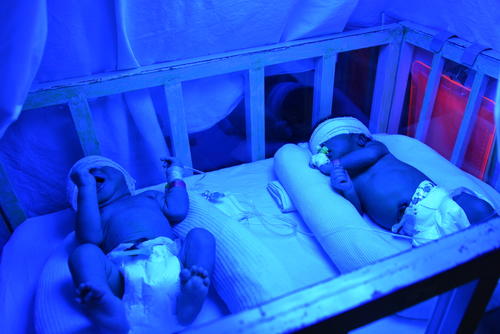
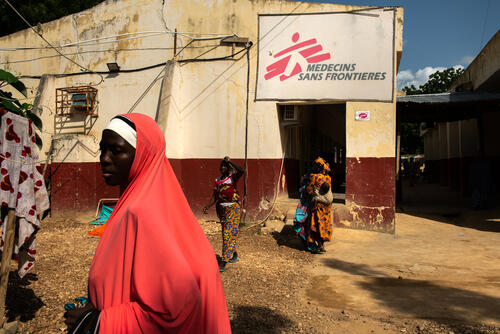
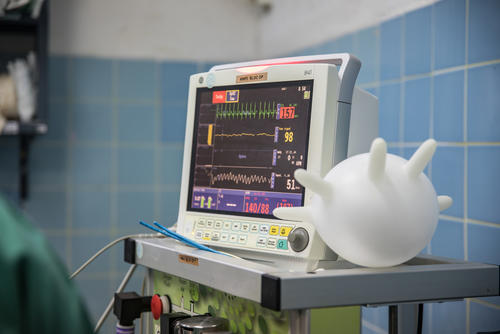
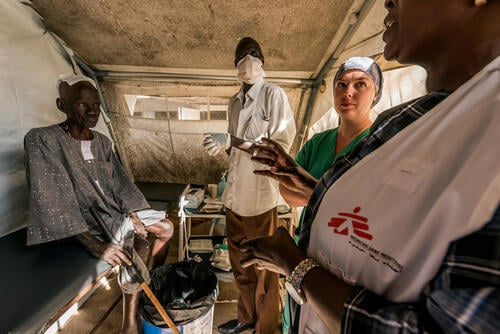
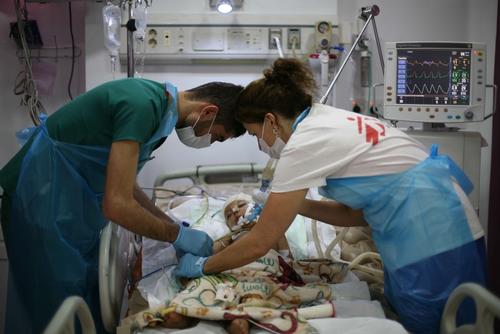
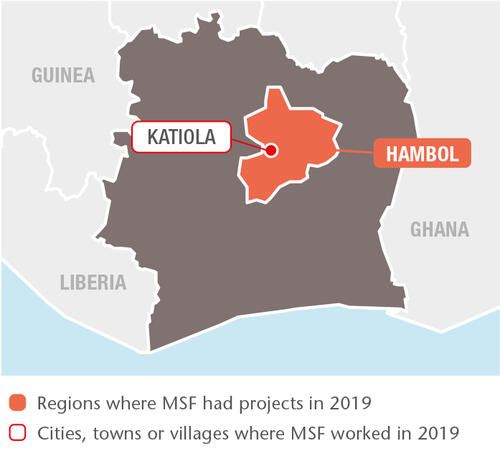
For five years, we supported the ministry in rural areas of Hambol region in central Côte d’Ivoire, working in the maternity unit, neonatology ward and operating theatre at Katiola referral hospital. In 2019, we admitted 700 newborns for care and strengthened the referral system for obstetric and neonatal emergencies. We also supported Dabakala and Niakara hospitals and six health centres.
In order to reduce perinatal transmission of hepatitis B, we collaborated with the Ministry of Health to introduce systematic vaccination immediately after birth in all MSF-supported facilities in the area. A total of 3,150 newborns were vaccinated against hepatitis B in 2019.
In view of the relatively low levels of activity, decreasing numbers of obstetric complications and limited prospects for development, we made the decision to progressively hand over all our activities in the country to the local health authorities. We stopped our support to health centres in April, to the maternity unit in June and to the operating theatre and neonatology wards at the end of the year.