





2,760
2,76
54
54
1,490
1,49
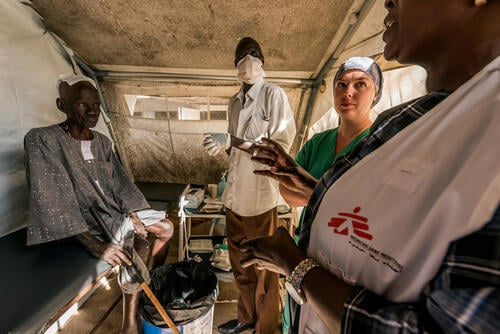
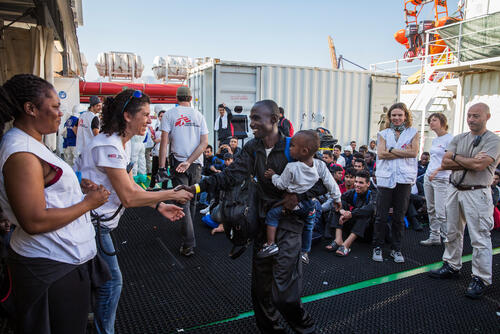
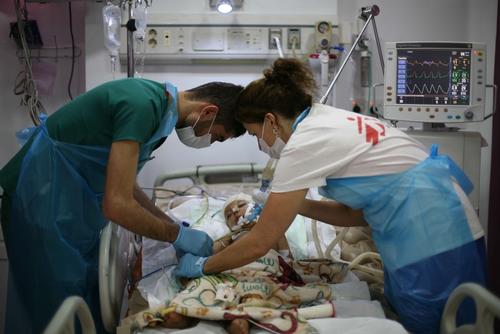
Amid increasingly hostile manoeuvres by Italian authorities to shut down search and rescue operations, Médecins Sans Frontières (MSF) continued to provide psychological and medical assistance to migrants and refugees in Italy, including specialised care for victims of torture.
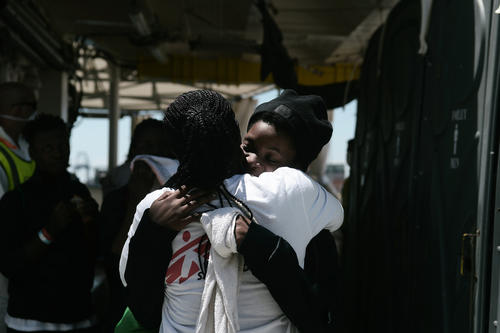
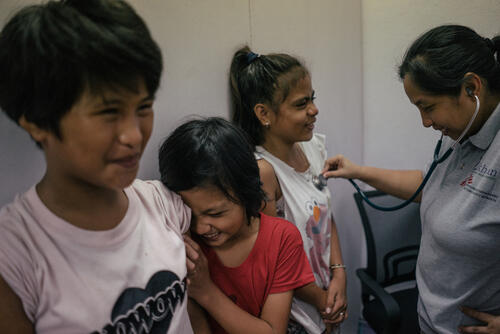
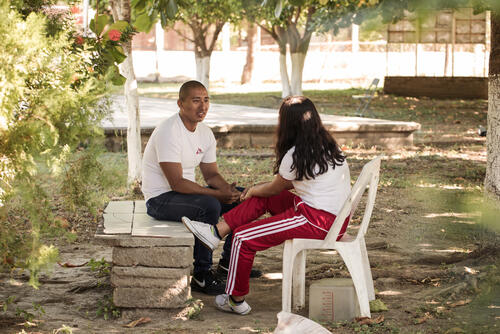
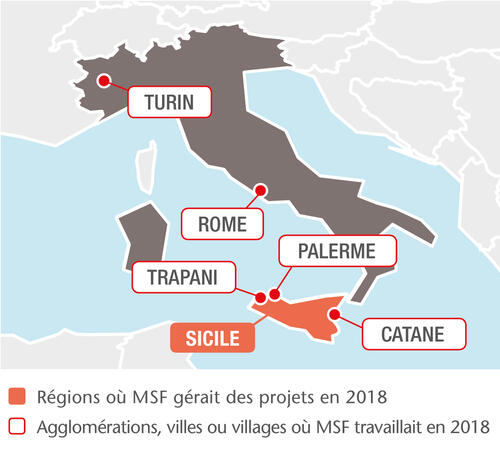
Our teams offered psychological first aid to those disembarking in southern ports, and ran a clinic in Catania for patients requiring care after discharge from hospitals in Sicily. The clinic closed at the end of the year due to the drop in new arrivals. MSF psychologists also supported asylum seekers in reception centres in the province of Trapani, handing over activities at the end of the year as planned.
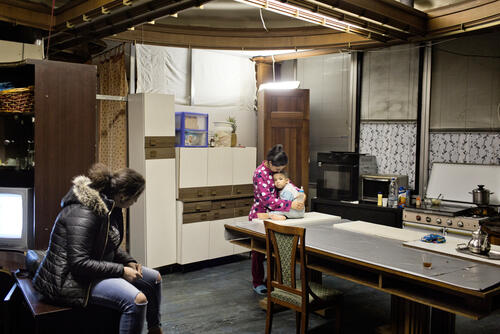
We sent mobile teams to work in informal settlements around Rome, where migrants often languish in poor living conditions. Alongside a network of civil society organisations and volunteers, our teams carried out around 1,500 medical consultations and psychological interventions in 2018, as well as offering psychosocial assistance to unaccompanied minors in reception centres in Rome.
For the third consecutive year, we ran a centre in Rome for the rehabilitation of victims of torture, ill-treatment and other forms of degrading treatment. Victims of torture can access psychological, medical, legal and social support at the centre, which we run in collaboration with local partners Medici Contro la Tortura and ASGI.
In Turin and Palermo, we provided support and orientation to more than 800 people to access national health services. We also distributed relief items such as blankets and tents to migrants and refugees living in informal settlements, in particular in Rome and around Italy’s northern borders.
79
79
€4.9 M
4.9M
1999
1999
Find us online