


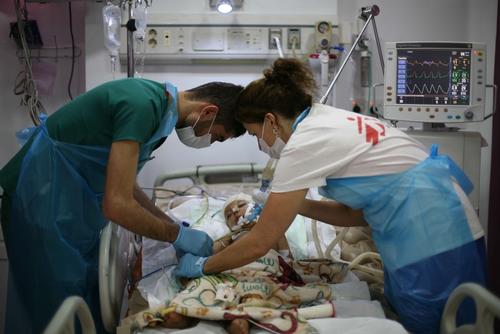

Around 25 per cent of people with TB in Papua New Guinea live in Port Moresby, in the National Capital District.
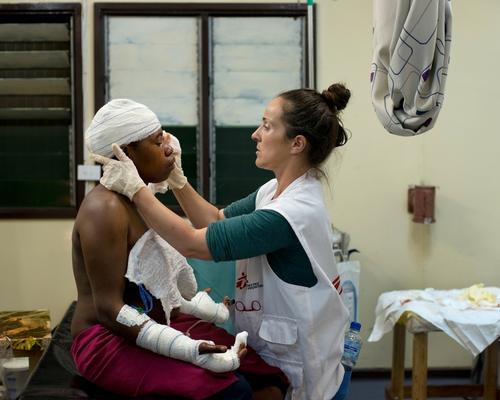
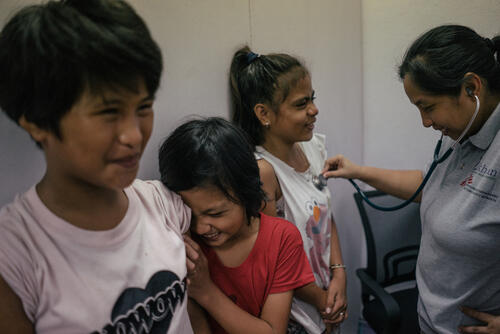
In collaboration with the national TB programme, the MSF team has been scaling up the capacities for screening, diagnosis, treatment initiation and follow-up in Port Moresby’s Gerehu hospital. Mobile teams started working in the community to improve patient adherence to treatment.
In Gulf province, MSF expanded its TB programme to support two health centres as well as Kerema general hospital. Currently, poor access to remote areas and the lack of an effective follow-up system result in a high number of patients not completing their treatment. In collaboration with the provincial authorities, MSF continues to develop a decentralised model of care so that people do not need to come to a medical facility so frequently. By the end of 2016, MSF had initiated treatment for 1,819 patients with drug-sensitive TB and 24 with drug-resistant TB.
Sexual and domestic violence
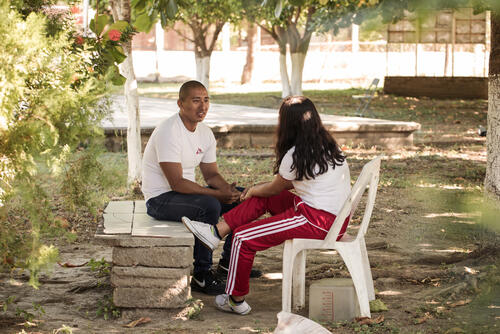
In March, MSF launched the report ‘Return to Abuser’, which exposes gaps in services and systems that keep women and girls trapped in cycles of severe domestic and sexual violence. This year at Tari hospital, the team handed over its final project treating victims of sexual and domestic violence. While incidents of all types of violence remain high in Tari and the Highlands region, the provincial health authorities are now leading the response to meet the medical and psychological needs of victims, and facilitating access to vital services.