




10,500
10,5
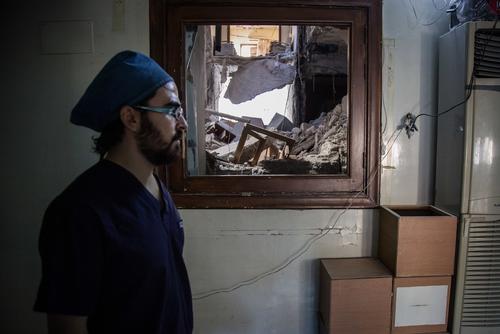
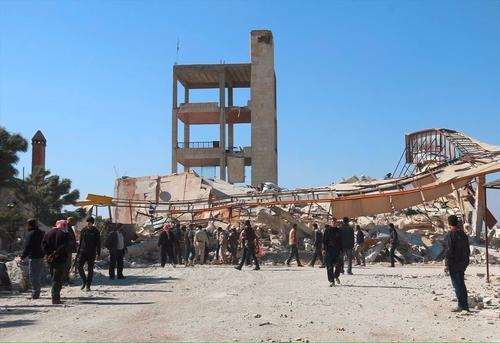
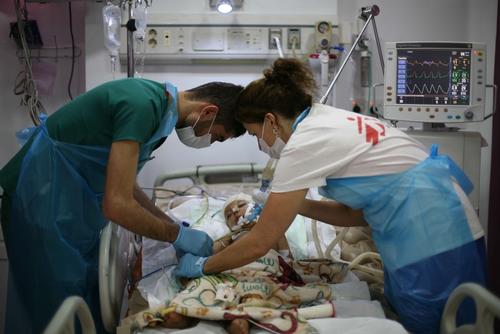
The breakdown of law and order, the economic collapse and the existence of three governments had a severe impact on the healthcare system. MSF made ad hoc donations of drugs and medical equipment to many hospitals throughout the country to support emergency and surgical care.
In Benghazi, MSF ran a clinic with a Libyan NGO to offer paediatric and gynaecology consultations to displaced and vulnerable people. MSF also supported the emergency room in Benghazi medical centre, and Al Abyar and Al-Marj hospitals with staff and training.
In the west, MSF supported the main Misrata hospital and established a partnership for infection control with an MSF-run hospital in Amman. MSF also provided two hospitals in Zintan with supplies and mass-casualty response training. Due to low patient numbers, MSF stopped supporting Maritime hospital in Zuwara in March, and three polyclinics outside Zuwara in October.
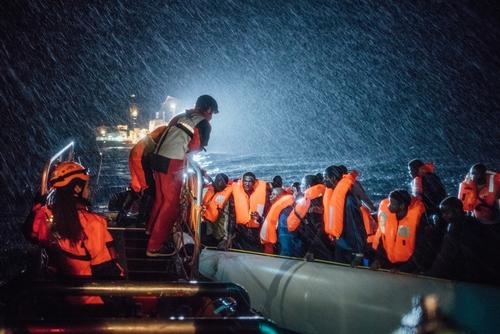
In addition to being a destination for hundreds of thousands of refugees, asylum seekers and migrants, Libya is a place of transit for people attempting to cross the Mediterranean and reach Europe. These people are exposed to alarming levels of violence and exploitation.
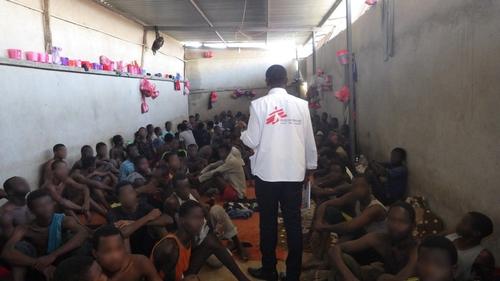
MSF ran mobile clinics in seven migrant detention centres located in and around Tripoli. Medical complaints were mostly related to appalling conditions inside the dangerously overcrowded detention centres: lice, scabies and flees were rife and significant numbers of detainees were suffering from nutritional deficiencies and the lack of safe drinking water. MSF carried out 7,145 medical consultations, as well as 49 antenatal consultations for women in detention and 46 consultations for children under the age of five.