




7,100
7,1
2,800
2,8
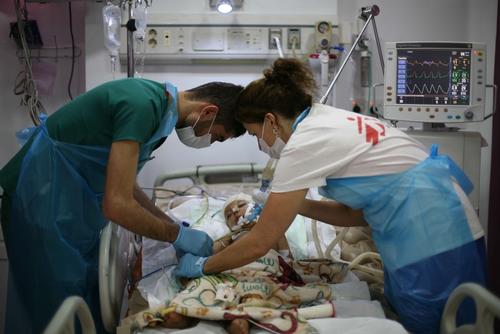
MSF has been offering this service, which includes treatment for HIV, tuberculosis (TB) and hepatitis, since 2012. This year, 15 hepatitis C patients were started on direct-acting antivirals, which are easier to administer than previous recommended treatments and have shorter course durations and higher cure rates.
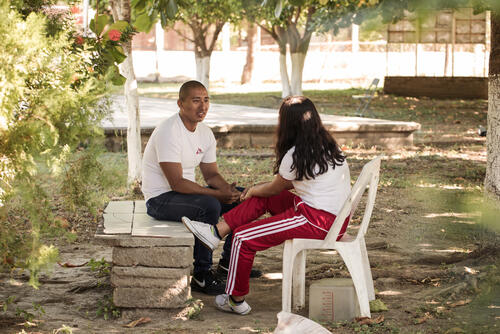
In the district of Darvazeh Ghar, the provision of care for vulnerable populations is particularly limited. People with high-risk behaviours, such as drug users, sex workers and street children, need specific approaches, as their living conditions and stigmatisation often prevent them from accessing ‘standard’ health services.
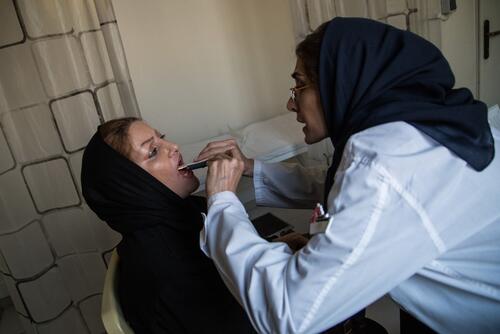
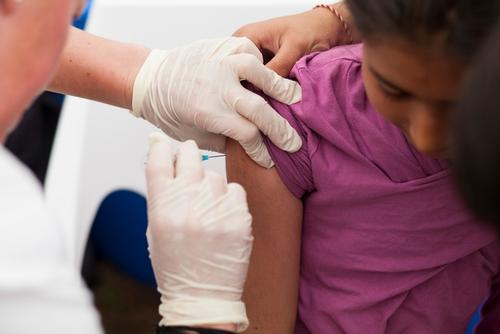
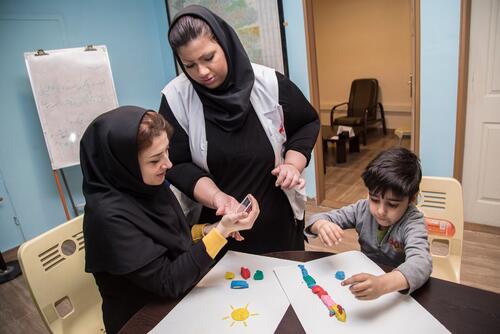
MSF’s primary health centre provides comprehensive and integrated healthcare, including general medical consultations, mental healthcare, reproductive and sexual health services, testing for HIV, TB, hepatitis C and other infectious diseases, and vaccinations. Psychosocial support is also available, and peer workers play a key role in helping MSF communicate with these hard-to-reach groups. Since April this year, MSF has been running mobile clinics in partnership with local NGO Society for Recovery Support, which is specialised in the field of addiction.
In 2016, the teams in the health centre conducted more than 7,000 outpatient consultations, and referred nearly 1,800 patients to secondary health facilities for further testing and/or admission. The mobile clinic carried out 2,326 consultations.