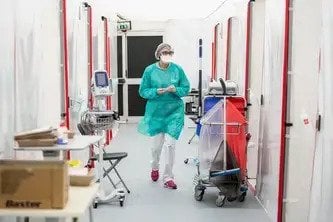
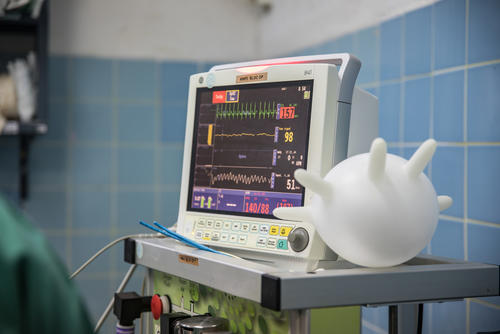
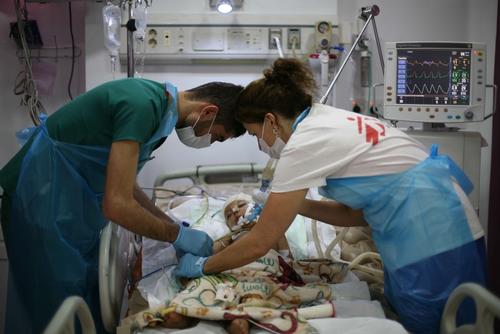
Medical and hygienist staff get dressed with the PPE to get into the high risk zone of the Ebola Transit Center in Bunia
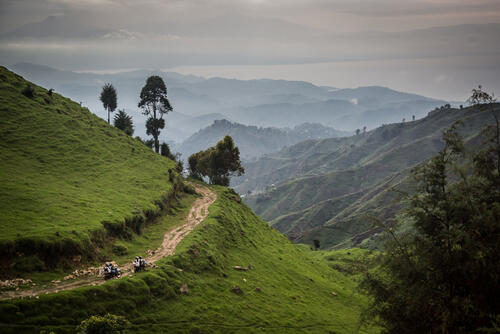
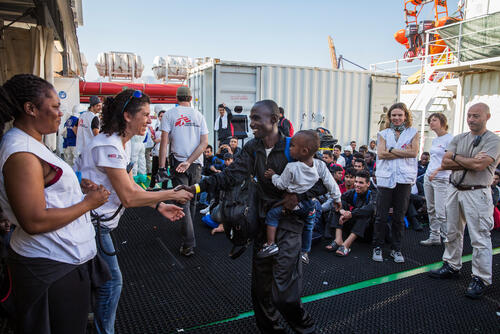
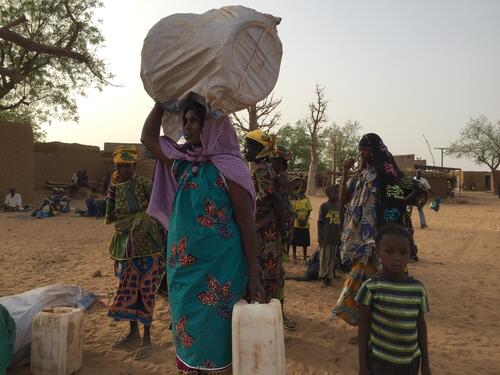
In Mondoro, MSF distributed NFI kits and deployed medical and psychosocial assistance to displaced people fleeing attacks in the village of Bouldé.
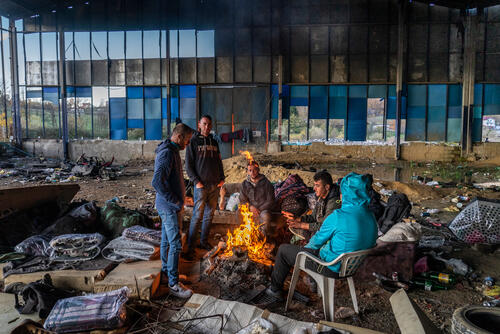
Daily life in one of the squats near Velika Kladusa where migrans and asylum seekers stay. Migrants and asylum seekers are concentrated around Bihac and Velika Kladusa in Bosnia attempting to cross the border to Croatia. People there have to face extremely harsh living conditions and violence allegedly caused by border authorities.
MSF in collaboration with the local medical authorities provide medical and mental health services to the people living in Vucjak camp. Our medical team sees in this clinic around 30 patients per day. MSF runs another small clinic in Velika Kladusa for people who stay in squats. The main morbidities our teams are treating are wounds, skin infections, upper and lower respiratory tract infections, hypothermia and frostbites. All symptoms are results of violence and bad living conditions.
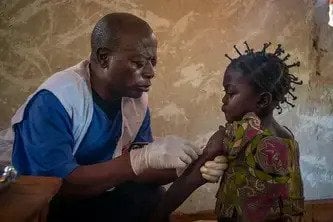
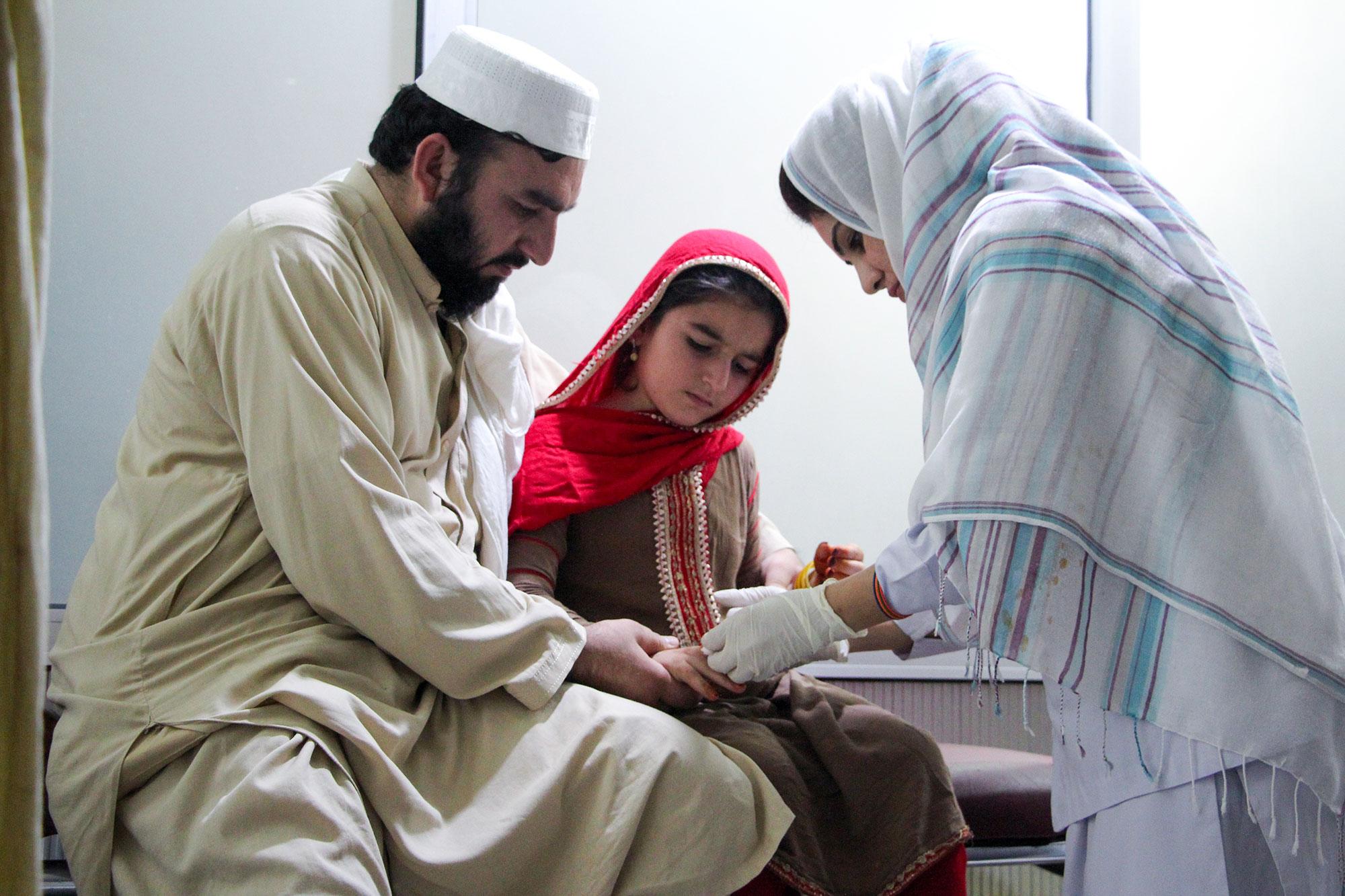
Subhan tranquiliza a su hija Afia mientras le ponen una inyección para la leishmaniasis cutánea, en el centro de tratamiento especializado de MSF en el Hospital Nasirula Khan Babar, en Peshawar. Pakistán.
MÉDICOS SIN FRONTERAS

Memoria internacional 2019

Subhan tranquiliza a su hija Afia mientras le ponen una inyección para la leishmaniasis cutánea, en el centro de tratamiento especializado de MSF en el Hospital Nasirula Khan Babar, en Peshawar. Pakistán.
Ebola disease in DRC: find out how we're responding
Learn more

Resumen del año

En 2019, los equipos de Médicos Sin Fronteras, integrados por 65.000 personas, proporcionaron ayuda médica y humanitaria en más de 70 países.

El Ébola siguió propagándose en el noreste de República Democrática del Congo, al igual que la peor epidemia de la historia del país. Dos ciclones y unas graves inundaciones devastaron parte de Mozambique, Sudán y Sudán del Sur. El conflicto se agravó en el Sahel y en Yemen, y miles de migrantes, refugiados y solicitantes de asilo quedaron atrapados en Libia, Grecia y México, expuestos a la violencia y la enfermedad.

Dedicamos este resumen del año a las personas que nos apoyan con sus fondos: su generosidad permitió que nuestros equipos se pusieran al servicio de quienes necesitaban ayuda.
Actividades en el mundo

Nuestros equipos trabajaron en 72 países en 2019. Clica en el mapa para saber más.

La toponimia y el trazado de fronteras no reflejan opinión alguna de MSF sobre el estatus de estos territorios.

Nuestros proyectos

    La toponimia y el trazado de fronteras no reflejan opinión alguna de MSF sobre el estatus de estos territorios.
    A FONDO
    Medical and hygienist staff get dressed with the PPE to get into the high risk zone of the Ebola Transit Center in Bunia
    El equipo completo de protección individual, indispensable para entrar en la zona de alto riesgo del centro de tránsito para pacientes con Ébola de Bunia. República Democrática del Congo, junio de 2019.
    © Pablo Garrigos/MSF
    01 / 03

    La respuesta al Ébola en República Democrática del Congo

    En agosto de 2018, las autoridades de República Democrática del Congo (RDC) confirmaron un brote de Ébola que acabaría siendo el más grave que haya conocido este país. La epidemia se propagó por las comunidades de las provincias de Kivu Norte e Ituri, que ya estaban gravemente afectadas por décadas de conflictos armados.
    Leer más
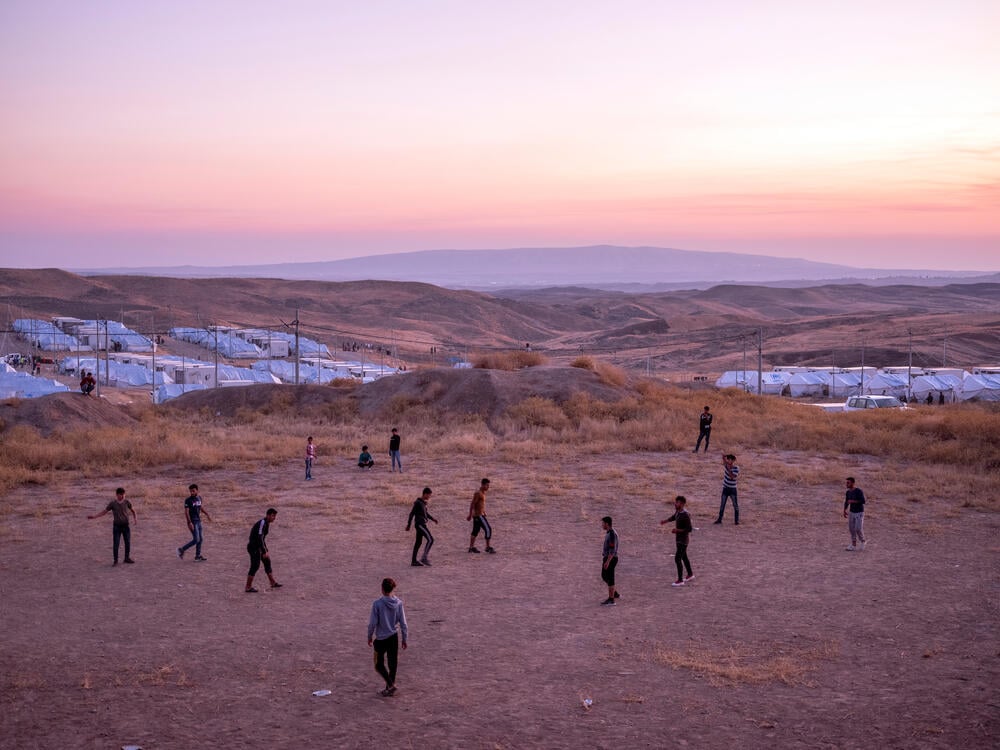
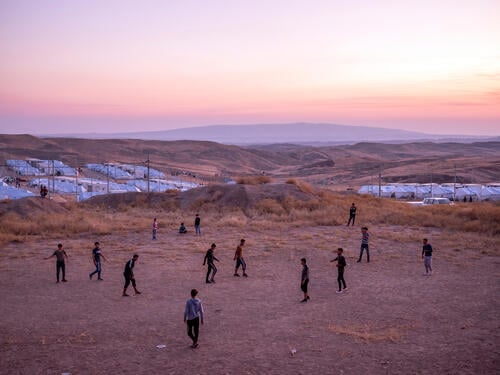
    Bardarah Refugee Camp, Iraq. October 31, 2019.

Syrian Kurdish refugees play soccer inside the Bardarash refugee camp in Iraqi-Kurdistan. 
According to the International Organization for Migration (IOM) as of November 6th more than 14,000 Syrian Kurds have fled their homes in Rojava, the Syrian-Kurdish enclave along the Turkish border in north-east Syria, and have taken refuge in camps inside Iraqi-Kurdistan. Bardarash camp houses over 12,000 Syrian-Kurdish refugees.
    Refugiados kurdos de Siria juegan al fútbol en el campo de Bardarash, en el Kurdistán iraquí. Octubre de 2019.
    © Moises Saman / Magnum Photos for MSF

    Un año en imágenes

    Esta fotogalería repasa un año de trabajo proporcionando asistencia médica y humanitaria en condiciones extremas (contenido disponible solo en inglés y árabe).

    VER LA FOTOGALERÍA

    2019 en cifras

    Te presentamos nuestros principales datos de actividades médicas, financieros y de recursos humanos.
    2019 en cifras

    NUESTRAS CIFRAS
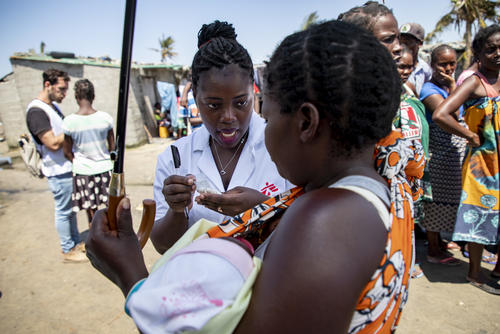
    Celina Feliz Berto, nurse, gives medication to a woman with her child at the mobile clinic of MSF.


MSF is running mobile clinics to areas of Beira hard hit by Cyclone Idai. During these clinics our staff provide care for patients suffering for infected cuts and small wounds, respiratory tract infections, skin conditions as well as diarrhea. Importantly, they also go door to door looking for cases of diarrhea that may need treatment at the local health centres. Diarrhea can be easily treated with oral or IV rehydration as well as antibiotics. During the mobile clinic, if the team finds a patient in need of in patient care they are transferred to the health centre or hospital by MSF.

    10.384.000

    CONSULTAS EXTERNAS
    Boguila, health facitlity:
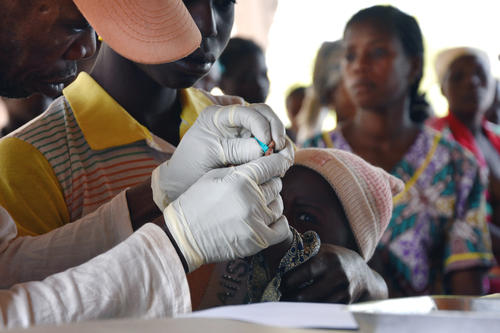
The so-called Paracheck is performed with a small prick of the finger. Ketira’s (10 months) blood sample is tested within minutes for malaria.

    2.638.200

    CASOS DE MALARIA TRATADOS
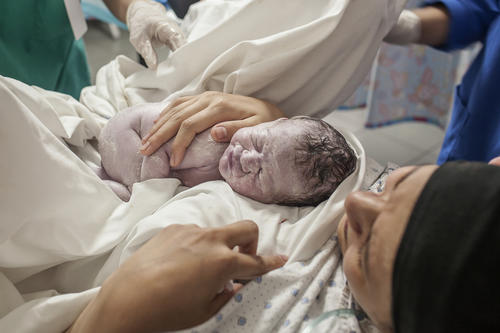
    Baby Alaa was just born at the MSF Birth centre in Rafik Hariri university hospital. Midwife Josianne and Nurse Nagham assisted his mother in the delivery, and both the mother and the baby are in good health. Alaa is 3 kg and 51 cm.

    329.000

    PARTOS ASISTIDOS