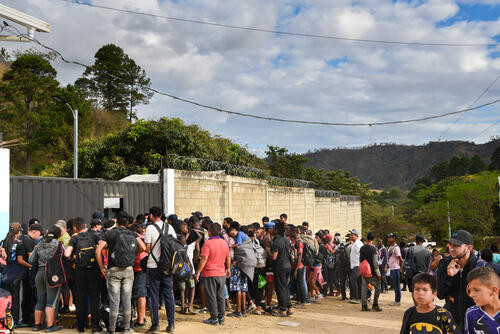
The situation for migrants at the border between Nicaragua and Honduras has worsened in recent months. Since the beginning of March, a new wave of people who are migrating has been crossing the eastern borders of Honduras. From January to March, more than 30,000 people have entered the country irregularly between the municipalities of Trojes and Danli, both border points with Nicaragua. Médecins Sans Frontières (MSF) mobile clinics continue to travel to different points in the area to provide medical and humanitarian assistance to people on the move.
 
In the midst of these consultations, MSF teams listen to the stories of people who arrive affected by physical exhaustion and have experienced situations of violence that impact their mental and emotional health. This was the case for Natasha and René, who had to leave Venezuela with their puppy Juan Pablo to cross the Darien jungle between Colombia and Panama to Danli.
 
Their testimony was captured in a coloring book to try to bring people closer to this type of situation in a different way; as well, to give health promotion teams something they can provide children waiting at border points with to awaken their interest in drawing, as well as use as a child-friendly support tool to help them see others are also facing this difficult journey.
 
Like Natasha and René, between 80 and 160 people are treated every day at the MSF clinic for different health conditions. In 2022, the teams provided more than 17,000 medical consultations at two border points in the country: Danli and Trojes. Of these people, a large percentage are minors, pregnant women and people with chronic diseases.

نيكاراغوا

تستمر العيادات المتنقلة لأطباء بلا حدود في التنقل إلى مختلف النقاط في نيكاراغوا وهندوراس لتقديم المساعدات الطبية والإنسانية للأشخاص المتنقلين. نيكاراغوا، في مارس/آذار 2023.
الحرب في غزة: اطّلع على استجابتنا
اقرأ المزيد

أغلقت أطباء بلا حدود آخر مشاريعها في نيكاراغوا في أوخر عام 2019.

بعد تأسيس منظمتنا بفترة قصيرة، نفذنا أول مهمة طبية لنا في عام 1972 في ماناغوا عاصمة نيكاراغوا وأكبر مدينة فيها، حيث دمر زلزال معظم المدينة وأودى بحياة ما بين 10,000 إلى 30,000 شخص.

بعد ذلك أمضينا 22 عاماً في علاج المصابين بمرض شاغاس، وهو مرض طفيلي يهاجم القلب والجهازين العصبي والهضمي. تم إغلاق المشروع في عام 2005، بعد أن أدرجت وزارة الصحة الوطنية المرض في خطة جديدة مدتها عشر سنوات وانخفض معدل الإصابات.

عدنا إلى نيكاراغوا في عام 2018 من أجل تقديم الدعم النفسي الاجتماعي للأشخاص الذين يعانون من حالات مثل القلق واضطراب التكيف واضطراب ما بعد الصدمة لأنهم شهدوا أو مروا بحالات عنف مرتبطة بالاضطرابات المدنية والسياسية.

كما قدمنا تدريبات حول الرعاية النفسية الأساسية والإسعافات النفسية الأولية والمساعدة الذاتية لقادة المجتمع والمجموعات والمثقِّفين لكي يتمكنوا من تقديم الدعم النفسي للأشخاص الآخرين في سياقات الأزمات. وقد سلّمنا جميع أنشطتنا إلى منظمات أخرى وأغلقنا مشاريعنا في نهاية عام 2019.

Filter Tips
  • Try a different country, year, format, or topic.
  • Clear one or more filters

نيكاراغوا

اللغة
عربي