An MSF staff member converses with Anam (name changed), a 17-year-old DRTB (Drug Resistant Tuberculosis) patient and her mother outside the MSF DRTB Clinic, Chembur, Mumbai.


Anam (name changed on request), a bright 17-year-old, excels not only at English and Science in school but is an equally good Mehndi/henna artist. She tells us happily that she has completed a professional Mehndi course and learnt needlework. She aspires to become a fashion designer. 
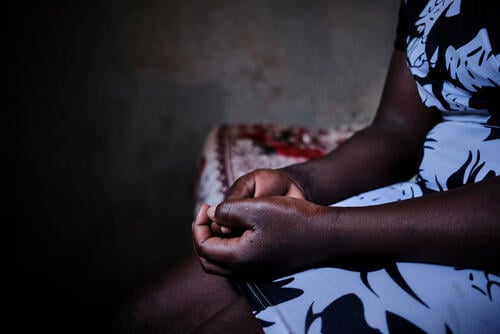
She scrolls through her phone gallery, bringing up photos of the bridal henna designs that she has created. As her hand moves over the screen, there is a contrast between those delicate designs and the pattern on her own hand from the PICC Line (Peripherally Inserted Central Catheter).
Anam was first diagnosed with pulmonary TB at the age of nine. Before her diagnosis, she frequently had a cough and a fever. When her mother initially took her to a doctor, she was suspected of having double typhoid. 
Being diagnosed with TB at such a young age came as a blow to Anam’s family, who had no history of the disease.  Her mother later got to know that Anam studied with around eight to ten TB positive patients in school. The stigma around the disease is so strong that other children or their families never informed the school authorities. The parents feared that their children would be expelled, bullied, harassed or discriminated against. Anam’s mother decided that it was important to break this lethal chain. She informed the Principal and did not send Anam to school for the next five months. 
For 14 months, Anam received treatment at a private hospital with support from her immediate family and friends. However, the treatment did not work and her symptoms such as weight loss and vomiting worsened. The treatment at the private hospital cost her family around Rs 5,500 monthly (Rs 2,500 for medicines and Rs 3,000 for tests). In February 2021 she was finally diagnosed with drug-resistant tuberculosis (DR-TB) at a government DR-TB centre.  She was put on a DR-TB regimen, however subsequent investigations revealed additional resistance to other drugs as well. She suffered from cough, fever and weight loss. Since her condition was not improving with the treatment received so far, she ultimately came to MSF.  
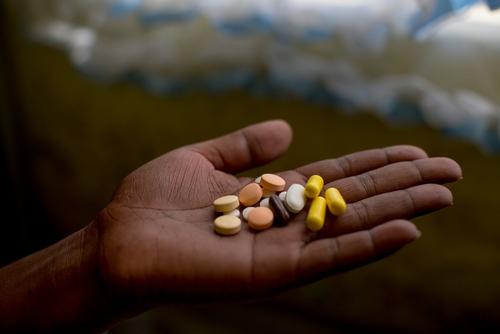
At the MSF Clinic, Anam was put on a regimen of the oral drugs bedaquiline, delamanid, linezolid and amoxicillin, and an intravenous treatment with the injection imipenem. This regimen was built for her based on her resistance to certain drugs and she has been taking it for the last one and a half years.  
Anam’s mother says, “We have been through a very rough patch, but we found help every step of the way. The psychosocial support in terms of counselling, and the medical support that we received at the MSF clinic reduced our financial and medical treatment worries.”
Despite constant encouragement and support, every day Anam is also witness to another TB story unfolding outside her bedroom window. The impact of stigma and lack of awareness about TB is having serious consequences for a girl not much older than Anam in the neighbouring house. Anam recalls distraught conversations with her ‘window friend’: how she has been locked inside her room because of the disease; how her parents have abandoned her; and the irregularity of her meals. Anam’s mother says that their neighbours don’t allow other community members to help them. Bereft of medical and psychosocial support, her ‘window friend’ developed suicidal tendencies that resulted in one failed attempt to jump off the roof.  
Anam realises that her friend’s parents may have prevented the suicide attempt, yet they contributed nothing to alleviating the everyday suffering. No proper treatment is sought, she says. Anam’s mother tried to counsel the girl’s parents but they are reluctant to listen to anyone.
The story of Anam and her ‘window friend’ highlights the importance of medical treatment and psychosocial support in TB treatment, and the importance of raising awareness around the disease and fighting stigma.  And for Anam, even a small dream like hanging out with friends on a vacation post-recovery, keeps her going.
أنشطة أطباء بلا حدود في الهند
© Premananda Hessenkamp

في مومباي، نعالج الحالات المعقدة من مرض السل المقاوم للأدوية ونعمل مع السلطات الصحية للحد من ارتفاع معدلات الإصابة بالسل والوفيات في المنطقة. كما نقدم الرعاية الشاملة للأشخاص الذين يتعايشون مع فيروس نقص المناعة البشري المتقدم في بيهار، والرعاية الصحية الأساسية عبر العيادات المتنقلة في المناطق النائية من تشاتيسجار، وخدمات الصحة النفسية في جامو وكشمير.

أنشطتنا في الهند في عام 2025

أطباء بلا حدود في الهند في عام 2025 تعمل أطباء بلا حدود في الهند لسدّ الثغرات في الخدمات الصحية المقدّمة إلى الفئات المهمّشة، بما يشمل علاج الأمراض المعدية والدعم النفسي وتوفير الرعاية الصحية الأساسية.
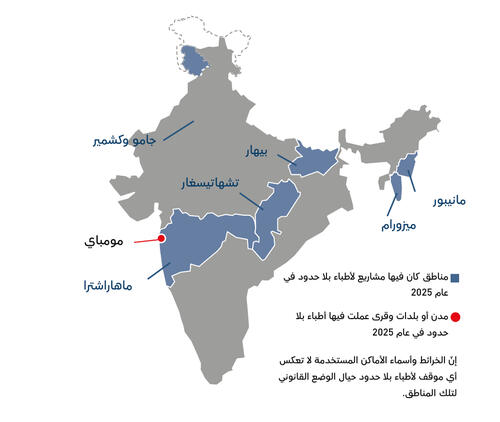
AR Version of Country map of IAR 2025
© MSF

في ولاية بيهار، يواجه الأشخاص المتعايشون مع فيروس نقص المناعة البشرية المتقدّم محدوديةً في خيارات العلاج، إلى جانب ارتفاع معدّلات الوفيّات نتيجة اقتران المرض بأمراض معدية أخرى. كما يعيش المرضى في ظل هشاشةٍ اقتصادية، ووصمة اجتماعية حادّة مرتبطة بفيروس نقص المناعة البشرية، بالإضافة إلى الإقصاء الاجتماعي، ما ينعكس سلبًا على قدرتهم على الوصول إلى العلاج والالتزام به.

وبالتعاون مع وزارة الصحة ورعاية الأسرة في ولاية بيهار، توفّر أطباء بلا حدود رعايةً استشفائية متخصّصة في مستشفى غورو غوبيند سينغ في باتنا، تشمل تدبير الأعراض الجسدية، وتوفير الدعم النفسي الاجتماعي، والرعاية التلطيفية. وفي ولاية مانيبور شمال شرق الهند، نقدّم رعاية متخصّصة عبر عدّة عيادات للأشخاص المتعايشين مع فيروس نقص المناعة البشرية والسل والتهاب الكبد الفيروسي C، إضافةً إلى المصابين بأكثر من عدوى في الوقت نفسه. ولا يقتصر عملنا على الفحص والتشخيص وعلاج المرضى مباشرةً، بل يمتد أيضًا إلى أفراد الأسرة بهدف الحدّ من انتقال العدوى.

ويواصل مركزنا في زوكهاوثار بولاية ميزورام، الواقع مباشرةً على الحدود بين الهند وميانمار، تقديم خدمات الرعاية الصحية العامة الشاملة للنازحين والمجتمعات المضيفة. كما ننفّذ أنشطة التوعية الصحية داخل المركز وفي المجتمعات المحلية وفي تسع مستوطنات ومخيّمات في المنطقة، إضافةً إلى تنظيم إحالات تخصّصية إلى مستشفى مقاطعة تشامبهاي ومرافق صحية في أيزاول، عاصمة الولاية.

وفي ولاية تشاتيسغار، دخلت حالة عدم الاستقرار المستمرّة مرحلةً جديدة خلال عام 2025 مع تكثيف القوات الحكومية لعمليّاتها ضد المتمرّدين الماويين. ورغم تصاعد التوتّر، تمكّنت فرقنا من الحفاظ على الخدمات الصحية الأساسية للسكان في القرى الريفية المحيطة بمدينة بيجابور، وكانت فرقنا تقطع تضاريس وعرة لتسيير عيادات متنقلة بانتظام في ستة مواقع مختلفة ، حيث قدّمت العلاج للملاريا، والالتهابات التنفّسية مثل الالتهاب الرئوي، والأمراض الجلدية، وسوء التغذية، فضلًا عن خدمات الصحة الإنجابية. 

أما في جامو وكشمير، فتبقى الصحة النفسية قضيةً ملحّة لا تحظى بالقدر الكافي من التركيز. وفي هذا السياق، تواصل فرق أطباء بلا حدود تقديم خدمات الاستشارة في المستشفيات والمراكز الصحية في بولواما وسريناغار وترال وسوبور. كما تعمل على رفع مستوى الوعي، وتعزيز الفهم، وكسر وصمة العار المرتبطة بالاضطرابات النفسية، وتقديم أدوات عملية لتعزيز الصحة النفسية.


في عام 2025