


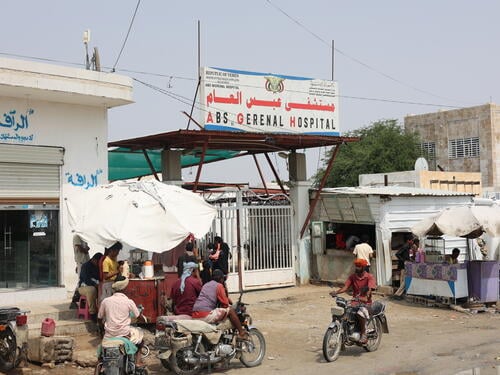
- MSF is witnessing a rise in snakebite envenoming in Abs district, Hajjah governorate, Yemen.
- Factors like a lack of protective clothing or adequate shelter further expose people to snakebites.
- Without urgent measures, including increased access to antivenom, families will remain at risk of preventable pain and fatalities from snakebites.
Sana'a - In Abs district, Hajjah governorate, Yemen, Médecins Sans Frontières (MSF) is witnessing a rise in snakebite envenoming; a neglected tropical disease that continues to cause deaths and suffering. Despite the growing scale of the problem, access to effective and affordable treatment remains severely limited, leaving communities at high risk.
Snakebites predominantly occur in rural and agricultural areas, with risk peaking during harvest season, when families spend extended hours working outdoors. Many people, including women, work barefoot or with minimal protective clothing, which increases the likelihood of hazardous encounters with snakes. Sleeping on the ground at night, often due to heat or inadequate housing, further exposes communities to snakebites, making them vulnerable both during work and while resting.
“Snakebites are dangerous mainly because some snakes inject venom, which can harm the body in serious ways,” says Abdul Aziz, MSF medical coordinator in Yemen. “Snake venom can damage nerves, blood, muscles, or organs, leading to problems like difficulty breathing, uncontrolled bleeding, or severe swelling. Even when a bite is not venomous, it can still cause infection or allergic reactions.”
“Snakebite survivors may face serious physical injuries requiring surgery, including loss of tissue or limbs, as well as often-overlooked mental health effects such as anxiety, depression, and post-traumatic stress,” says Aziz.
At Abs hospital, which MSF supports, many patients arrive after travelling long distances from remote villages. We provide free treatment to people with snakebite, and in 2025 alone, we treated 671 cases of snakebites, which is an 83 per cent increase compared to 367 cases in 2024. In the first quarter of 2026, we treated 137 snakebite cases in northern Yemen.
In Yemen, the danger of snakebite is far greater due to the near collapse of the healthcare system after years of conflict. Many hospitals and clinics lack antivenom, trained staff, electricity, and basic medical supplies. Many people live in rural or desert areas where venomous snakes are common, and reaching medical care can take hours or even days. Ongoing insecurity, damaged roads, and checkpoints further delay treatment, turning survivable bites into fatal ones.
Snake venom can damage nerves, blood, muscles, or organs, leading to problems like difficulty breathing, uncontrolled bleeding, or severe swellingAbdul Aziz, MSF medical coordinator in Yemen
Poverty and a lack of awareness about treatment make the situation even worse. Many families cannot afford antivenom or transportation to hospitals and may rely on traditional treatments that cost critical time. As a result, snakebite in Yemen is not just a health issue but a humanitarian crisis — people die not because treatment does not exist, but because it is largely out of reach.
Although antivenom can be found in some private pharmacies and health facilities, its high cost makes it inaccessible for most families in Abs and surrounding areas. Treatment is further complicated by the fact that different types of antivenom are required for different snake species, making timely and effective care both more complex and more expensive. As a result, many people bitten by venomous snakes experience delays or are unable to access the lifesaving treatment they need, leading to preventable deaths or long-term disabilities.
Immediate action is needed from humanitarian organisations to ensure that antivenom is both available and affordable for those at risk. Strengthening supply chains, increasing stocks in rural health facilities, and raising awareness about the importance of timely treatment can save countless lives. Without urgent measures, families in Abs and in the surrounding areas will remain at risk of needless pain and fatalities from snakebites.
Yemen
Yemen: Renewed fighting puts pressure on the health system and increases people's humanitarian needs
Project Update
15 Sep 2026

Yemen
As conflict engulfs Mocha, health workers keep hospital open
Voices from the Field
11 Sep 2026