


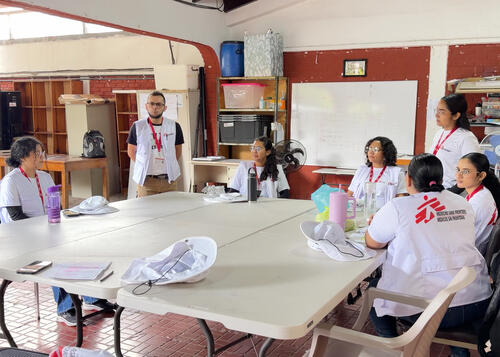
Médecins Sans Frontières (MSF) has launched a new dengue project in Tegucigalpa, the capital of Honduras. The initiative aims to strengthen the early detection of dengue cases, ensure timely treatment, and establish community-based epidemiological surveillance systems.
Dengue, a mosquito-borne viral disease, is a recurring public health challenge in Honduras. While many cases are mild, severe dengue can cause serious complications and be fatal without timely treatment.
The project will focus on the San Miguel Integrated health centre (CIS San Miguel), and the peripheral emergency unit in El Hato. We are collaborating with local communities, the Ministry of Health, and the Metropolitan Health Region of the Central District. Through this partnership, the project also seeks to strengthen community engagement and encourage residents to take an active role in protecting their health.
By fostering community leadership and self-management, the initiative aims to promote sustainable self-care practices within the catchment area of CIS San Miguel.
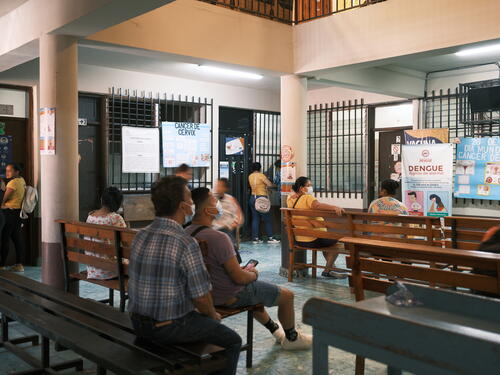
Between 2023 and 2025, MSF implemented an arboviral disease prevention project in the La Joya, El Edén, and El Manchén neighbourhoods of Tegucigalpa to help control dengue, Zika and Chikungunya. Building on those efforts, the new project in Tegucigalpa aims to replicate this collaborative model of intervention with communities and local health authorities to improve the response to dengue cases during peak transmission periods.
As part of the earlier initiative, we reached more than 7,500 households through an integrated vector control strategy. The approach included the release of mosquitos carrying Wolbachia bacteria, which inhibits mosquitoes’ ability to transmit dengue and other arboviruses. This method can remain effective over time because Wolbachia is passed from one generation of mosquitoes to the next.

The project also included indoor residual spraying and the use of larvicide in households. Preliminary findings are encouraging, and further analysis is underway ahead of a scientific publication.
Beyond our contributions to dengue prevention and public health, we strengthened community cohesion and introduced new approaches to civic participation. This has helped develop local leadership and laid the foundations for community ownership and the long-term sustainability of self-managed health initiatives.
By combining community engagement and strengthened health services, MSF intends to improve the response to dengue and support long-term prevention efforts in communities on the outskirts of Tegucigalpa.
DRC Ebola outbreaks
Ebola disease outbreak spreads like a megafire in North Kivu as new hotspots multiply
Project Update
5 Oct 2026
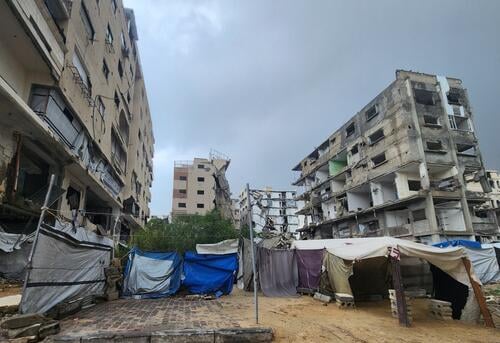
Gaza-Israel war
Three years on, Israel is asphyxiating Gaza and dismantling the means of survival
Press Release
5 Oct 2026