- Funding cuts have left 150,000 people without basic healthcare and water and sanitation services in Bentiu and Malakal displacement camps.
- Disruptions in these services are exposing residents to the risk of waterborne diseases.
- MSF calls on donors and humanitarian organisations to reverse funding shortfalls and prevent a renewed public health emergency.
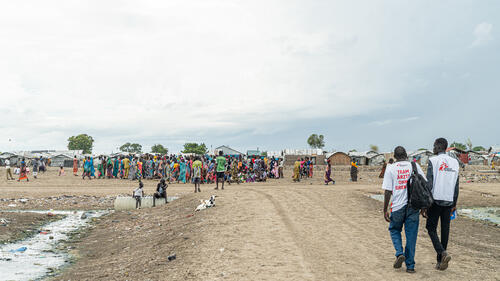
JUBA - Funding cuts and the withdrawal of aid organisations have left around 150,000 displaced people living in the Bentiu and Malakal camps in South Sudan without basic water, sanitation, and general health services, increasingly exposing them to the risk of cholera and other waterborne diseases, warns MSF.
Displaced communities in the states of Upper Nile and Unity depend heavily on external aid. As resources dwindle, the few organisations still operating there are further scaling back already limited services, putting water supply, waste collection, latrine maintenance, and basic healthcare at risk of total collapse in the coming months.
MSF is calling on donors and humanitarian organisations to act immediately to reverse funding shortfalls; maintain critical water, sanitation, hygiene, and health services; and prevent a renewed public health emergency.
“In Malakal, the clock is already running,” says Foued Gamoudi, MSF deputy head of operations in South Sudan. “The transfer of camps to government authorities does not remove the humanitarian needs of the people living there. As long as people remain in Bentiu and Malakal displacement sites, minimum WASH [water, sanitation, and hygiene], health, food, and nutrition services must be maintained.”
Bentiu and Malakal camps were established in 2013, when thousands of people fleeing violence sought protection at United Nations peacekeeping bases. Formerly a group of Protection of Civilians sites (PoC), Bentiu was redesignated as a conventional internal displacement camp in 2021 and placed under government authority, while Malakal was formally handed over in February 2026.
Despite these changes in status, both sites continue to host large communities living in protracted displacement. Many residents remain unwilling to return or are unable to return safely. In a survey conducted in February 2026 by the International Organization for Migration (IOM), 55 per cent of households in Bentiu said that their intended destination was currently unsafe.1
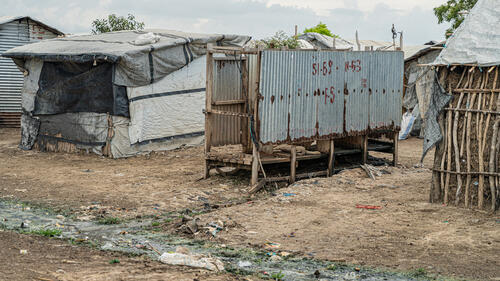
Bentiu camp, home to about 111,000 people, is located in a flood-prone area, where an MSF assessment found that around 60 people share one functioning latrine, and only 109 handwashing stations serve the entire camp. Open defecation is also widespread across the camp.
Since 2024, South Sudan has recorded nearly 110,000 cholera cases and 1,970 cholera-related deaths nationwide. During the peak of the outbreak in 2024–2025, Rubkona county in Unity state — where Bentiu is located — accounted for roughly a quarter of the cholera cases reported nationally during that period.
Although cholera cases in MSF-supported areas have remained low since mid-2025, the conditions that contributed to the outbreak persist. From January to September, more than 14,000 cholera cases were recorded across South Sudan, with Rubkona County alone accounting for nearly one-third of the total patients.
“We have already suffered from conflict, flooding, and cholera, and many of us still cannot return home,” says Nysunday Dobuol, a displaced woman living in Bentiu camp. “I decided to get vaccinated to protect myself and my family, and now I encourage others to do the same because we do not want to lose more lives to cholera.”
In Bentiu, the IOM is currently the only organisation providing basic healthcare and water, sanitation and hygiene (WASH) services in the camp, but it faces critical funding gaps following major cuts since 2024. Although its funding for WASH services has been extended by three months until March 2027, the continuation of these essential services beyond that date remains uncertain without additional support. Basic healthcare will remain a major gap from January 2027.
In Malakal, Upper Nile state, where the IOM is also now the only water and sanitation provider, the organisation has prioritised water supply and desludging over latrine construction and garbage collection, and without new funding, the water supply to 40,000 people and the desludging of around 900 latrines could stop.
Health services are also contracting in Malakal. The International Medical Corps (IMC), which supported nearly 100 deliveries a month, ended its services, including outpatient consultations, laboratory services, mental healthcare, and routine immunisation. In theory, health services have been handed over to local health authorities, who are short of supplies and staff, and have limited capacity to fill the gaps.
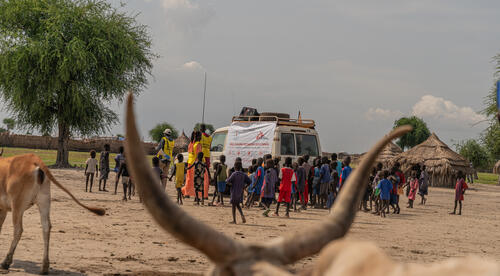
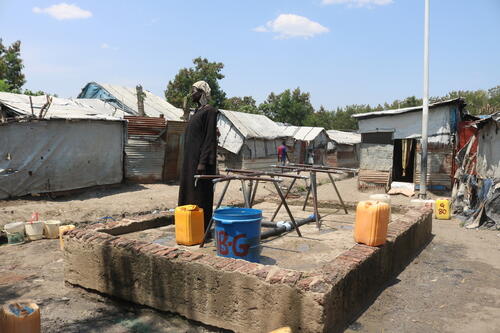
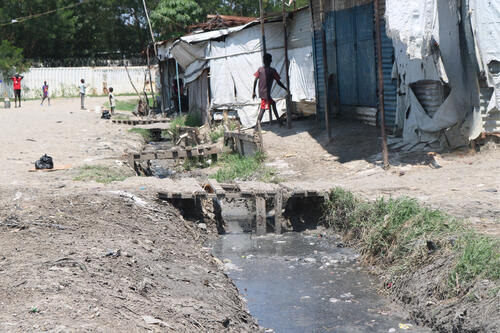
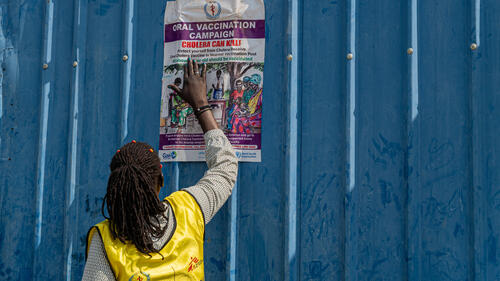
“Sometimes garbage remains uncollected for weeks, even months,” says Rebecca Abang, MSF counsellor. “Latrines are not always emptied, and waste flows into the drainage channels.”
Working with the Ministry of Health in Bentiu, MSF vaccinated 102,251 people during the second round of oral cholera vaccination in September 2026, reaching nearly 75 per cent of people targeted.
“Vaccination is an important step, but it cannot work alone,” says Patrick Mayen Biel, MSF outreach manager in Bentiu. “Without sustained access to safe drinking water, functioning latrines, and adequate sanitation, people will remain at risk of future outbreaks.”
The service reductions in Malakal and Bentiu reflect a broader, worrying trend of reduced humanitarian aid in South Sudan over the years. Major donors — including the UK and other European countries, as well as the US — have scaled back support even as renewed violence since last year has driven needs up. In this context, the health risk in crowded displacement camps such as Malakal and Bentiu remains particularly high.
"This is an urgent call to donors to provide immediate funding to protect people’s dignity, avert a public health emergency, and prevent loss of life,” says Gamoudi. “Support must sustain safe water supplies, functioning latrines and desludging, adequate hand washing facilities, and primary healthcare.”
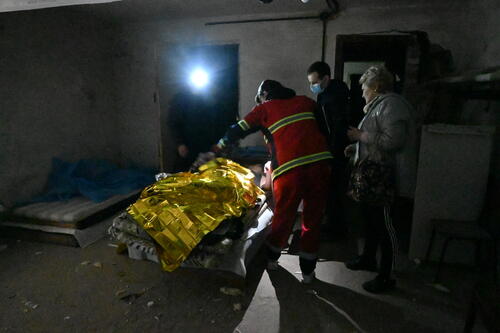
War in Ukraine
MSF evacuates patients from hospital damaged in Russian attack on Dnipro
Crisis Update
3 Nov 2026
Haiti
Haiti: Civilians and medical facilities must be spared in surge of violence in Port-au-Prince
Press Release
28 Oct 2026
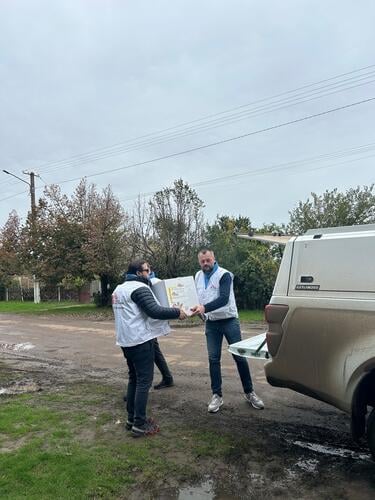
Ukraine
Temporary ceasefire enables MSF to deliver medicines to Kherson villages near frontline
Press Release
2 Nov 2026