


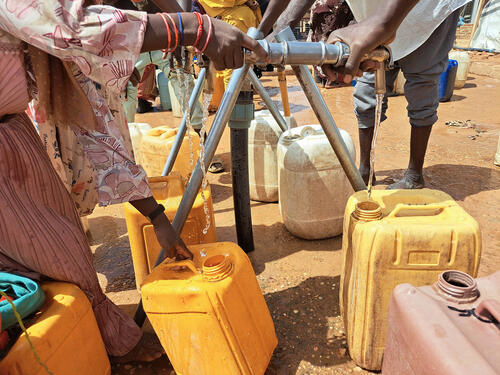
Clean water and sanitation services are necessities for good health.
After a flood, damaged infrastructure for sanitation and water services needs to be quickly fixed. At a new refugee camp, showers and latrines have to be built. And where waterborne diseases are endemic, safe sources for water must be identified.
Around the world, our teams are responding to disease outbreaks that result from unclean water and unsanitary living conditions. They’re also preventing these outbreaks from happening by providing communities with the water, sanitation, and hygiene services they need. Not only because people should be free from these diseases, but because clean water and sanitary living conditions are crucial for reinforcing people’s dignity.
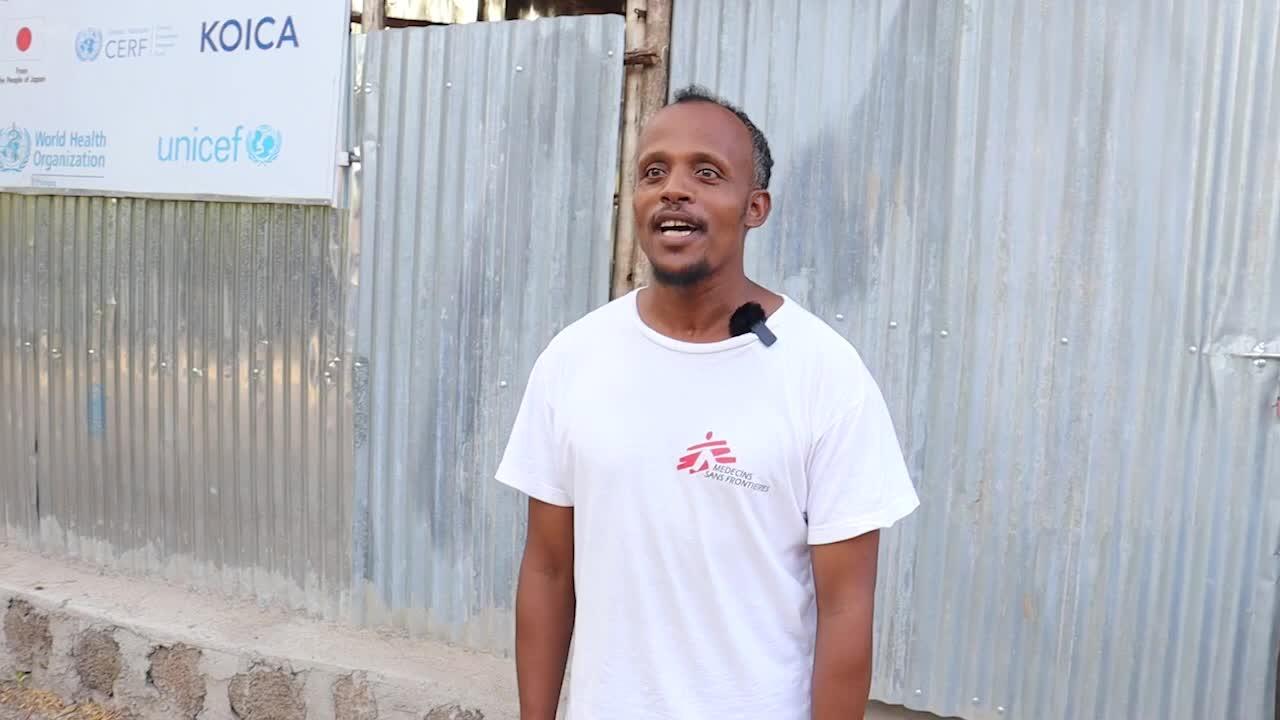
Video
Supplying clean water in Ethiopia

2.3B
2.3B
8,460
8,46
Featured
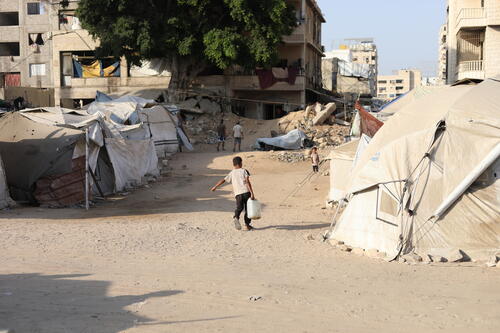
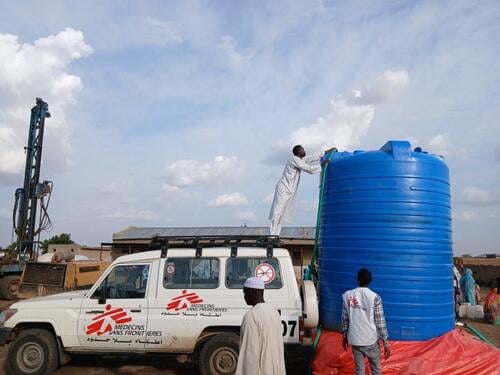
Conflict in Sudan
Bringing water and healthcare to displaced people in Abu Jubayhah, South Kordofan
Project Update
1 Sep 2026
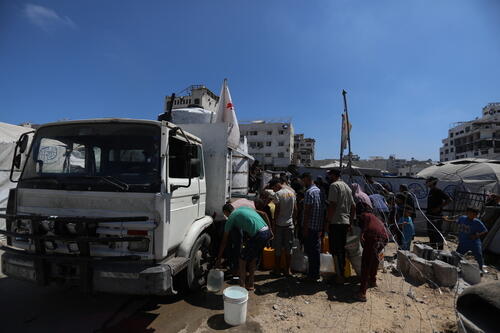
Gaza-Israel war
Israel puts thousands at risk by blocking crucial supplies for healthcare in Gaza
Press Release
12 Aug 2026
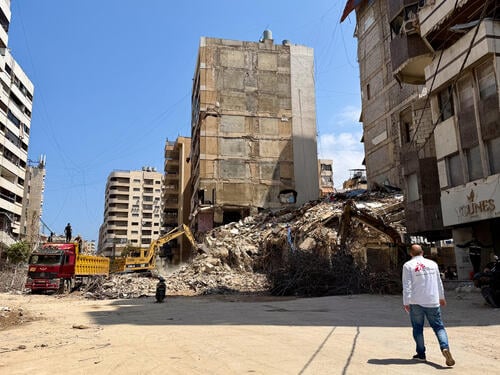
Refugees, IDPs and people on the move
Military threats and forced displacement expose health risk for communities in southern Beirut
Project Update
5 Jun 2026
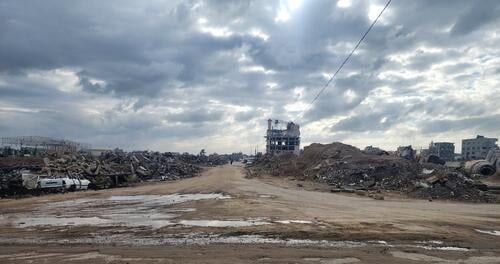
Gaza-Israel war
Five things to know about life for Palestinians in Gaza and the West Bank
Project Update
20 May 2026
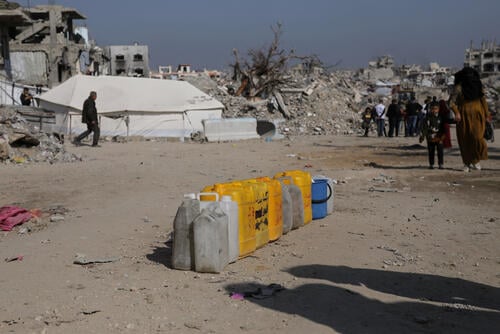
Gaza-Israel war
Water as a weapon: Israel’s destruction and deprivation of water and sanitation in Gaza
Report
28 Apr 2026
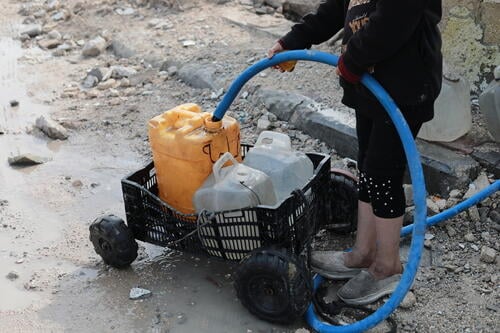
Gaza-Israel war
Israel uses water as a weapon of collective punishment against Palestinians in Gaza
Press Release
28 Apr 2026
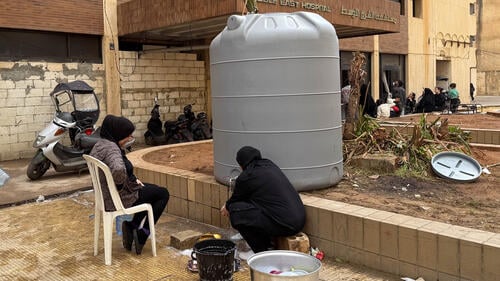
Lebanon
Bringing clean water and sanitation services to forcibly displaced families in Lebanon
Voices from the Field
16 Apr 2026
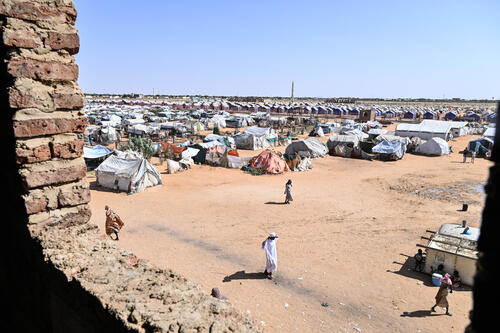
Conflict in Sudan
MSF launches an emergency response in El Obeid, southern Sudan
Project Update
11 Feb 2026