


Ebola disease in DRC: find out how we're responding
Learn more
7999 Results
 
Family of SARS patients in the Bach Mai hospital are putting on protective clothing before entering the isolation wards.
Asia & Pacific

Vietnam

MSF worked in Vietnamfollowing the SARS epidemic in 2003. Country
 
Médecins Sans Frontières’ (MSF) support to Abs Hospital in Hajjah Governorate in Yemen, is one of our biggest humanitarian responses across the globe. 
To facilitate access to healthcare for people affected by war and displacement, we have been supporting the hospital since 2015, gradually raising its capacity from 30 to 288 beds over the years. 
MSF runs over 80 per cent of the hospital departments, including mental health, in addition to providing financial incentives to the Ministry of Health (MoH) staff and supporting the laboratory, pharmacy and logistic activities.
Middle East & North Africa

Yemen

Discover how we deliver medical humanitarian assistance in Yemen, where indiscriminate bombings and chronic shortages of supplies and staff have led to the closure of more than half the country's health facilities. Country
 
In the Massala health zone, which accounts for more than 50% of cholera cases in the Ndola district, we are working simultaneously on several fronts: support for the establishment of a patient isolation and treatment unit, specific triage at the health center level and collaboration with epidemiological surveillance services and community stakeholders. This allows our teams to detect “clusters” of cases. Based on this case geolocation work, activities related to water, hygiene and sanitation are carried out via the chlorination and rehabilitation of water points, as well as the distribution of water kits and hygiene at the household level in the most affected areas.
Africa

Zambia

We closed our last project in Zambia in 2018. Country
 
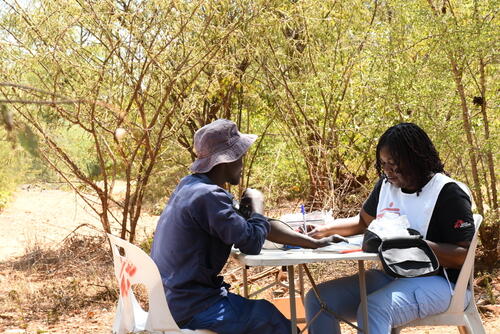
Artisinal miner gets a BP check up by MSF nurse
Africa

Zimbabwe

Learn about our medical projects in Zimbabwe, where the economic situation continues to create numerous challenges for the health sector, including shortages of medical supplies and essential medicines. Country
 
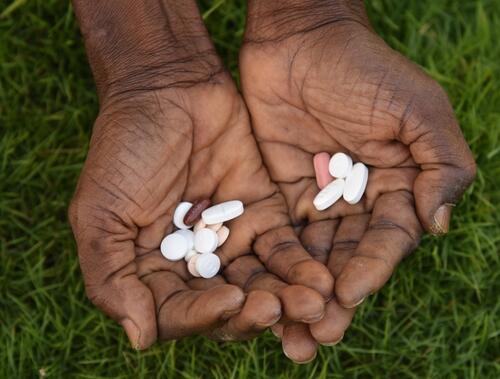
An MSF staff holding separate sets of the tuberculosis treatment medicine inside the Makeni Regional Hospital in Bombali District, Sierra Leone. The left hand contains pills from the BPaLM 6-month shorter regimen treatment and the right hand contains pills from the 18 months longer regimen treatment.  

MSF started rolling out the new BPaLM treatment in Bombali District, Sierra Leone, in November 2022, making this shorter treatment routinely available for patients diagnosed with drug-resistant tuberculosis (DR-TB).
Crisis settings

Access to medicines

Unaffordable, unavailable, not adapted - people around the world face these challenges in accessing lifesaving medicines. Topic
 
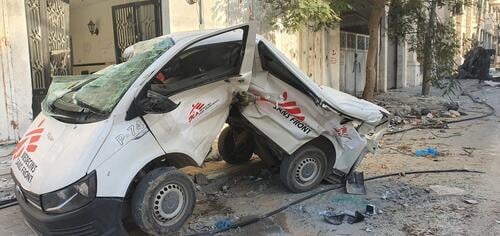
On 20 November, five MSF vehicles parked in front of our clinic in Gaza city were destroyed by the intervention of the Israeli forces. The clinic was also damaged as a result and part of the building was engulfed by fire for a few hours. The cars and the clinic were clearly identified with the MSF logo. This happened while 21 people, including an MSF staff and his family members, were sheltered in the clinic and more than 50 others were in the guesthouse across the street: luckily, they survived unscathed. The cars that were destroyed were the ones used in the aborted evacuation of our staff and their relatives on 18 November, resulting in the killing of two people. Some of the staff sheltering in the MSF premises that day were witnesses to the incident.
In Focus

Attacks on medical care

Attacks against medical facilities and health workers, whether deliberate or indiscriminate, are part of generalised violence and atrocities committed against civilians in armed conflict. They deprive populations of health services, often when they need them the most. Topic
 
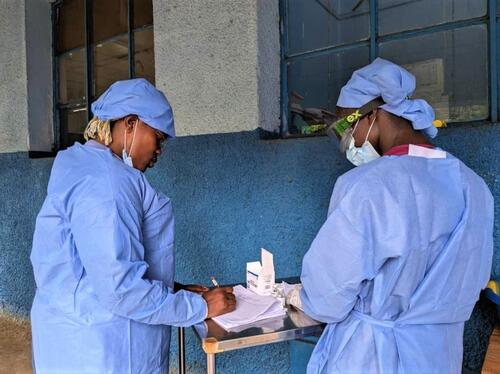
Two health workers talk at the Budjala general hospital, supported by MSF. MSF also deployed a team in the Budjala health zone in South Ubangi to support health authorities in the response against Mpox. Particular emphasis is also placed on mental health. In the community, health promoters intervene to ensure disease control and prevention. Thanks to their mobilization, more than 822 contact cases are being monitored for better epidemiological monitoring.
Crisis settings

Epidemics and pandemics

Millions of people still die each year from infectious diseases that are preventable or can be treated. Topic
 
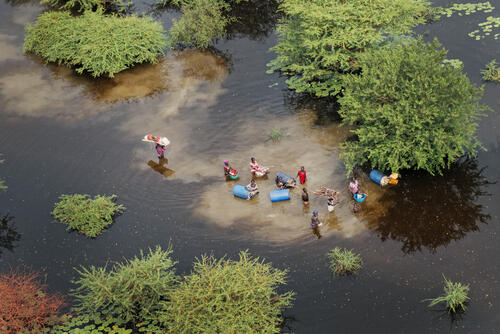
Families heading to dry land in Bentiu. 835,000 people have been directly affected by the flooding.

Across Unity state people’s homes and livelihoods (crops and cattle), as well as health facilities, schools, and markets, are completely submerged by floodwaters.
Crisis settings

Natural hazards

Within a matter of minutes, natural hazards can affect the lives of tens of thousands of people. Hundreds or even thousands of people can be injured, homes and livelihoods destroyed. Access to clean water, healthcare services and transport can also be disrupted. The impact of each event varies greatly and our response must adapt to each situation. Topic
 
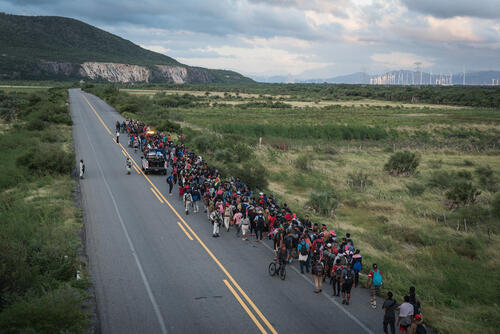
A caravan of migrants escorted by police officers advances along the route between the towns of La Venta and Juchitán, in southern Mexico.
Crisis settings

Refugees, IDPs and people on the move

There are many reasons for flight, including war, persecution, conflict, natural disaster, destitution and repression. With health and well-being jeopardised, the lives of the most vulnerable can be at risk. Topic
 
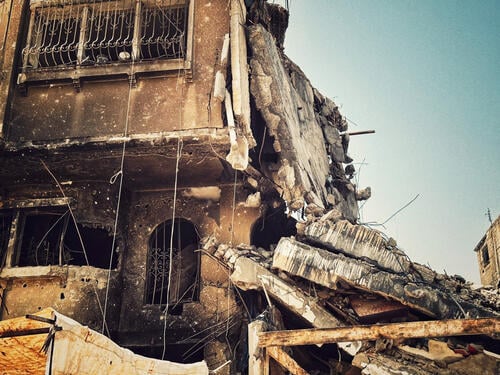
Destroyed buildings in Khan Younis, southern Gaza, taken on 26 May 2024
Crisis settings

War and conflict

More than one third of our humanitarian and medical assistance is for people affected by armed conflict. Topic
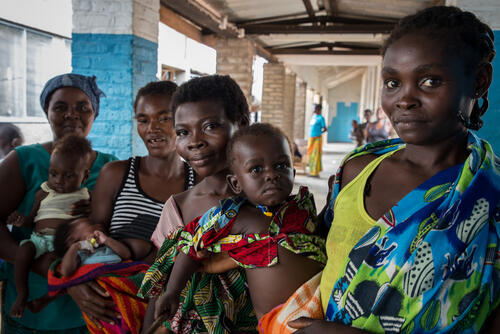
Four mothers posing in a corridor of the Hospital in Bili. All four of them are staying in the hospital with their child, that's suffering from a severe case of malaria. Since the beginning of the project in 2016, the pediatric ward already treated more than 4.000 cases of complicated/severe form of malaria.
Médecins Sans Frontières (MSF)

Independent medical humanitarian assistance

We provide medical assistance to people affected by conflict, epidemics, disasters, or exclusion from healthcare. Our teams are made up of tens of thousands of health professionals, logistic and administrative staff - most of them hired locally. Our actions are guided by medical ethics and the principles of independence and impartiality. We are a non-profit, self-governed, member-based organisation.

Learn more