



Ebola disease in DRC: find out how we're responding
Learn more
7999 Results
 
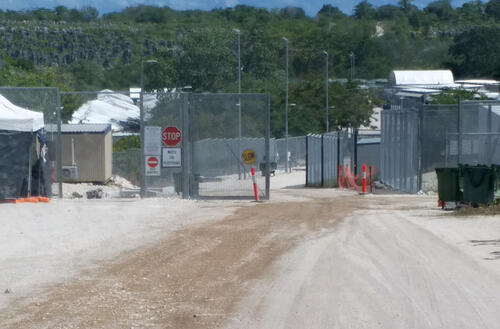
The regional processing centres known as RP3 and Anijuo, September 2017.
Nauru

Refugees' lives in danger with MSF forced to end mental healthcare activities

After almost a year of activity in Nauru, MSF has been informed by the government that our mental health activities were “no longer required”. We are extremely concerned for the impact this decision will have on our patients. Press Release - 11 Oct 2018
 
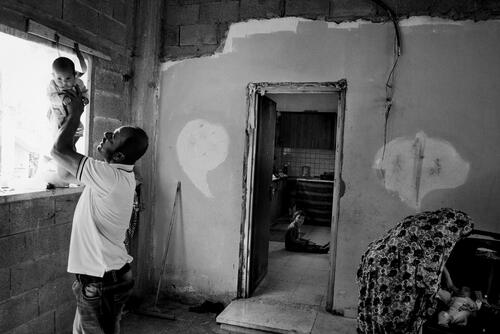
Raed is a 43-year-old father of six children living in the Beit Ummar neighborhood of Hebron. He was shot in the hip by Israeli soldiers during clashes following the funeral of a Palestinian boy that was killed by Israeli forces. Raed is now unable to provide for his family and is suffering from depressive symptoms.
Mental health

Occupied Minds: "My son is broken inside"

Raed is a 43 year-old father of six children who was shot in the hip by Israeli soldiers. For Palestinians, events they experience as a result of life under the Israeli occupation can have a specific and chronic impact on their mental health. MSF has been running mental health programmes in the West Bank since 1996. Voices from the Field - 10 Oct 2018
 
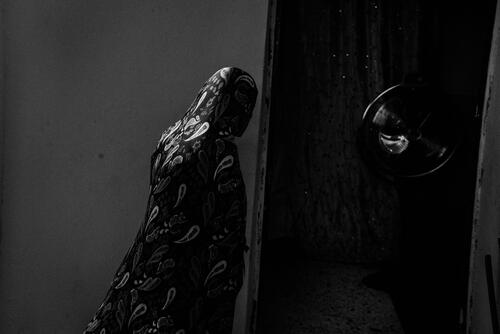
Noura approached MSF for support following the arrest of her son by Israeli forces, in January 2017. She has another son who was already arrested and eventually released from prison and other young children at home. She believes her family is being unfairly targeted and is constantly at risk. She started feeling hopeless about the future and haunted with worry about herself and her children.
Mental health

Occupied Minds: Dealing with one child arrested and then another

Noura approached MSF for support following the arrest of one of her sons by Israeli forces. For Palestinians, events they experience as a result of life under the Israeli occupation can have a specific and chronic impact on their mental health. MSF has been running mental health programmes in the West Bank since 1996. Voices from the Field - 10 Oct 2018
 
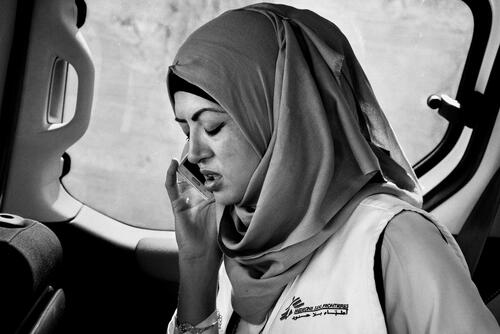
Mervat Suboh, a Palestinian psychologist working in Hebron for MSF, calls a patient to schedule an appointment for therapy.
Mental health

Occupied Minds: Allowing people to regain control of their lives

For Palestinians, events they experience as a result of life under the Israeli occupation can have a specific and chronic impact on their mental health. MSF has been running mental health programmes in the West Bank since 1996. Mervat Suboh is a MSF psychologist in Hebron, Palestine.
Voices from the Field - 10 Oct 2018
 
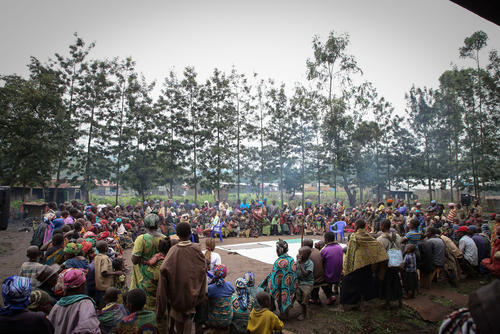
Every week, an MSF team of counsellors and health promoters puts on a play and conducts sensitisation activities with displaced people living outside and inside of Mweso school. Theatre is used as an effective means of health promotion and the performance touches on different themes, among them sexual and domestic violence. The MSF team use theater to present the different healthcare activities that are offered to people in Mweso.
Mental health

World Mental Health Day 2018: Beyond a healthy body

For people who have lived through violence or natural disasters, survival goes beyond ensuring physical well-being. Our professionals are there to provide mental healthcare to help heal our patients' psychological wounds. Project Update - 10 Oct 2018
 
Dans le centre médical de Tshibala (CNTA) les patients ne pouvant se rendre à l'hopital viennent se faire osculter par des médecins MSF. Si les enfants souffrent de malnutrition sévère ils seront ainsi ramenés à la base MSF et hospitalisés.
Democratic Republic of Congo

MSF adapts to changing needs in Greater Kasai region

Since MSF first launched an intervention to respond to the recent crisis in Kasai in May 2017, our teams have established medical projects in a total of five different locations in Kasai and Kasai Central provinces. Project Update - 9 Oct 2018
 
Nadiia, 79. from Mariupol listens to MSF nurse Tetiana as she goes over new treatment options. Nadiia receives medical treatment for heart and kidney problems. "I live alone in Mariupol. It was very hard being by myself during the conflict, as I live on the fourteenth floor of my building. I could hear shooting all the time, and it scared me a lot. It was a trying experience for me, but there are other people who have suffered more than me, so I don't feel I suffered that much. One lady from the village of Shyrokyne lost her entire house and garden. It has ruined her life for good. The conflict has affected many, many people in different ways. It destroyed them."
Mental health

Living with loneliness and trauma

How MSF’s patients cope with fear and hopelessness from four years of conflict in eastern Ukraine. Photo Story - 9 Oct 2018
 
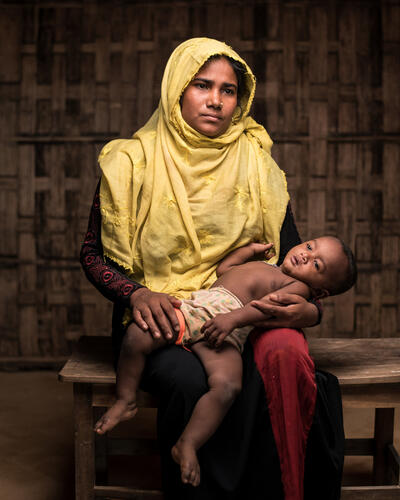
Rohima Khatun, a 25-year-old Rohingya refugee, fled her Rakhine village and arrived in Bangladesh in September 2017. “We came to Bangladesh because the Mogh (derogatory term for local Rakhine Buddhists) were torturing us. They told us that we had no right to stay in Myanmar, and we should go back to Bangladesh.” She explains what happened to her: “First the military called a meeting. Those people who stay in their houses will be okay, they said, but those who move from place to place will be arrested. At 4am the next morning they came back and surrounded the village. They separated the men and women. They handcuffed the men and started raping the young girls.
The men were shouting and so were the children. They started beating them.” They set fire to the houses. Military men went to rape her she said, but when they saw she was seven months pregnant and carrying a four-year old child they left her. The child was terrified and started screaming: “The four-year-old was crying so they took the child from me and threw him in the fire. They also shot my husband in front of me in the yard of our house.” She discusses life now, a year later: “Every single moment I remember this and get emotional because I lost my neighbors, husband, child, relatives.”
Rohingya refugee crisis

Rohingya trauma and resilience

Rohingya refugees share their own stories of trauma and resilience with celebrated photographer Robin Hammond. Photo Story - 8 Oct 2018
 
msf-placeholder

Reference Materials: Speaking Out, MSF and the war in the former Yugoslavia 1991-2003

Reference Materials: Speaking Out, MSF and the war in the former Yugoslavia 1991-2003
 
No notes
South Sudan

MSF resumes medical activities in Maban after suspension

MSF has resumed the full range of medical services in Maban, South Sudan, after most of our activities were suspended following a violent attack on our office and compound on 23 July Project Update - 5 Oct 2018
Four mothers posing in a corridor of the Hospital in Bili. All four of them are staying in the hospital with their child, that's suffering from a severe case of malaria. Since the beginning of the project in 2016, the pediatric ward already treated more than 4.000 cases of complicated/severe form of malaria.
Médecins Sans Frontières (MSF)

Independent medical humanitarian assistance

We provide medical assistance to people affected by conflict, epidemics, disasters, or exclusion from healthcare. Our teams are made up of tens of thousands of health professionals, logistic and administrative staff - most of them hired locally. Our actions are guided by medical ethics and the principles of independence and impartiality. We are a non-profit, self-governed, member-based organisation.

Learn more