




Ebola disease in DRC: find out how we're responding
Learn more
8006 Results
 
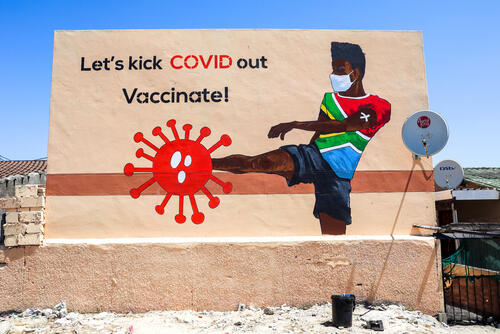
Pro vaccination. youth-focused murals in Khayelitsha.
Coronavirus COVID-19 pandemic

Vaccinating people with comorbidities in South Africa

A new vaccination support programme in Khayelitsha, South Africa, has proven to protect individuals with comorbidities that increase the risk of severe disease and death from COVID-19. Press Release - 17 Feb 2022
 
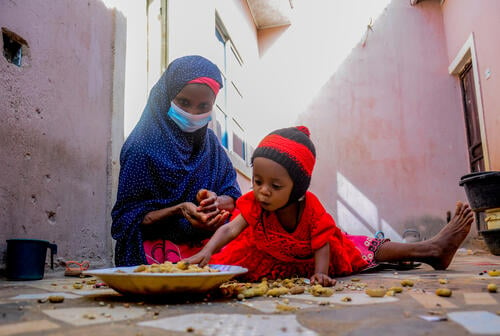
MOTHER ASMAU RABIU AND HADIZA AT KOFAR MARUSA COMMUNITY, KATSINA STATE
Nigeria

Amid hunger, people are “lucky to be alive” in northwest Nigeria

The short documentary, “Lucky to be Alive”, highlights the nutrition crisis currently affecting northwest Nigeria, against a backdrop of recurrent attacks by armed gangs. Documentary - 15 Feb 2022
 
black background
South Sudan

MSF mourns colleague murdered in Agok

An MSF staff member has been murdered inside his home, as intercommunal fighting broke out in Agok, between Sudan and South Sudan. We deeply mourn his loss. Press Release - 14 Feb 2022
 
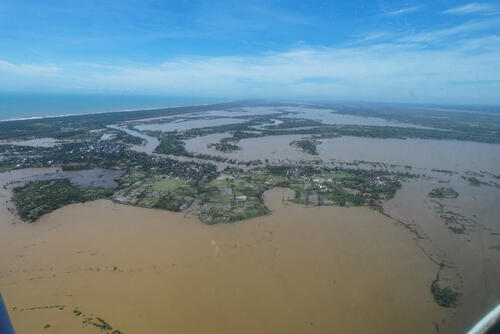
Aerial view of the north part of Nosy Varik
Madagascar

Cyclone Batsirai leaves people vulnerable to food shortages and malaria

After Cyclone Batsirai destroyed towns in Madagascar, people have been left without access to healthcare with possible food shortages. Project Update - 14 Feb 2022
 
msf-placeholder
MSF Speaking Out

Speaking Out Podcast

The MSF “Speaking Out” podcasts are adapted from the original Médecins Sans Frontières (MSF) Speaking Out Case Studies (SOCS). Like the case studies, the podcast examines the challenges and dilemmas surrounding speaking out. Each series offers an in-depth look into humanitarian dilemmas in a specific crisis through the narration of extracts from MSF documents and press archives to help establish the facts. Interviews with the main MSF protagonists at the time of the events also provide insight into, and personal analysis of, the positions adopted. Speaking Out Case Studies - 13 Feb 2022
 
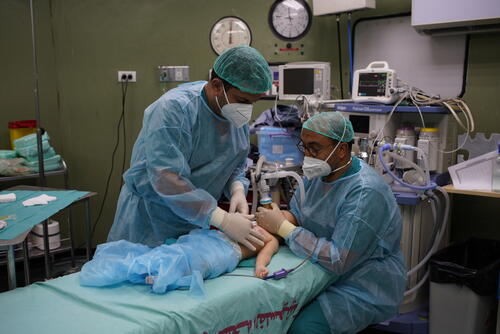
An MSF-supported surgical team at Al-Shifa’s burn unit, in Gaza city changes patient’s dressing under anesthesia. Al-Shifa’s burn unit is the main referral unit for all hospitals in Gaza where on average 270 patients are treated annually.
Palestine

Gaza: Burn injuries are a chronic health problem

Each year MSF clinics in Gaza treat 5,000 new burn victims, the vast majority of whom are children injured in domestic accidents, exacerbated by the blockade on the region. Project Update - 10 Feb 2022
 
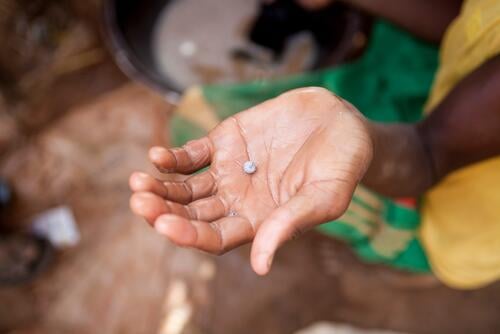
A worker shows the mercury-gold amalgam at the Bagega gold processing site. The sand containing the gold has been added to a bowl that also contains mercury. The mercury attracts the gold and both elements are combined, extracting the gold from the sand and stones and elements, like lead. This then goes into a small cloth, and any moisture in the mercury-gold combination gets squeezed out. Leaving a neat ball of mercury and gold. After this the mercury will be burned, and what is left is gold.
Nigeria

Prevention is key to stop children from dying of lead poisoning

Almost 12 years after our teams first started intervening in the area, MSF has handed over its lead poisoning project to state authorities as no more children are dying of lead poisoning in Zamfara. Project Update - 7 Feb 2022
 
The most recent drugs used to tackle DR TB were strong antibiotics developed in the 1940s, and the combination of pills, powders and injections frequently have severe mental and physical side effects.
Quality Assurance

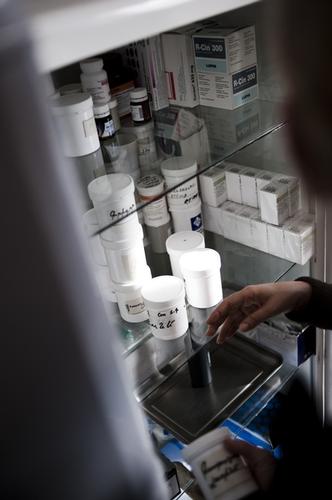
MSF Medical Product Qualification Processes

msf.org - 7 Feb 2022
Four mothers posing in a corridor of the Hospital in Bili. All four of them are staying in the hospital with their child, that's suffering from a severe case of malaria. Since the beginning of the project in 2016, the pediatric ward already treated more than 4.000 cases of complicated/severe form of malaria.
Médecins Sans Frontières (MSF)

Independent medical humanitarian assistance

We provide medical assistance to people affected by conflict, epidemics, disasters, or exclusion from healthcare. Our teams are made up of tens of thousands of health professionals, logistic and administrative staff - most of them hired locally. Our actions are guided by medical ethics and the principles of independence and impartiality. We are a non-profit, self-governed, member-based organisation.

Learn more