



Ebola disease in DRC: find out how we're responding
Learn more
280 Results
 
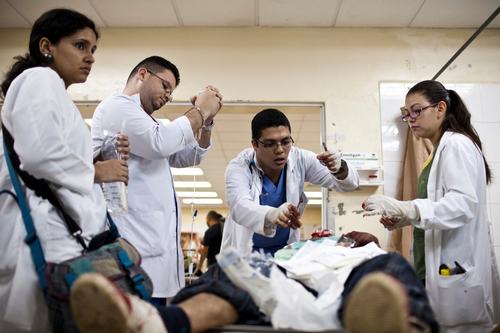
The emergency room of the university hospital Escuela, the main public hospital in Honduras, is always extremely busy, seeing some 260 patients per day. In 2013, MSF helped reorganise services and is working on improving emergency management to better deal with large influxes of patients and to reduce chances of death or permanent disability arising from inadequate trauma care.
Honduras

MSF Projects in Tegucigalpa

MSF runs a comprehensive programme offering treatment and follow-up to victims of violence. Photo Story - 10 Sep 2014
 
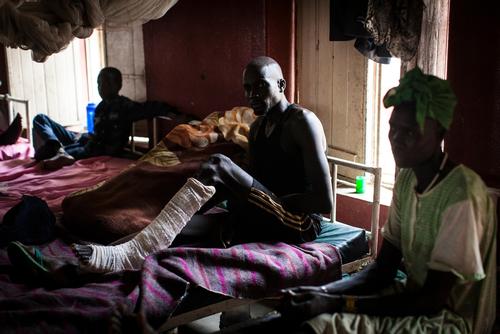
Nasir South Sudan
South Sudan

"Just a few hours old but already fleeing violence"

A new-born baby is caught up in violent conflict Voices from the Field - 3 Sep 2014
 
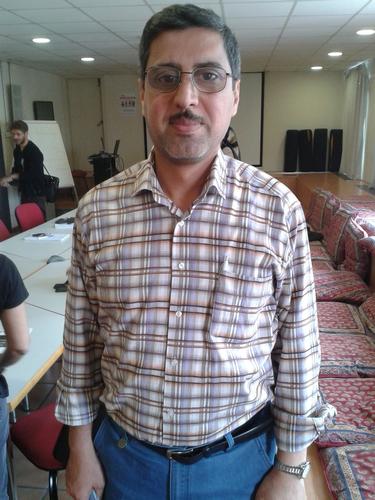
Dr Raid Umran, Head of paediatrics. Al Zahaara hospital, Iraq
Iraq

“We have managed to reduce the mortality rates, even though admissions have risen”

A doctor describes effective MSF strategies to reduce mortality rates Voices from the Field - 22 Jul 2014
 
msf-placeholder
HIV/AIDS

We see pregnant women dying from HIV

Mamotsieleli Molofotsane from Lesotho is around 20 years old. She has three children and is pregnant with her fourth. Mamotsieleli has been tested HIV positive and is on ARV treatment. Her three children have been tested HIV negative. Project Update - 22 Jul 2014
 
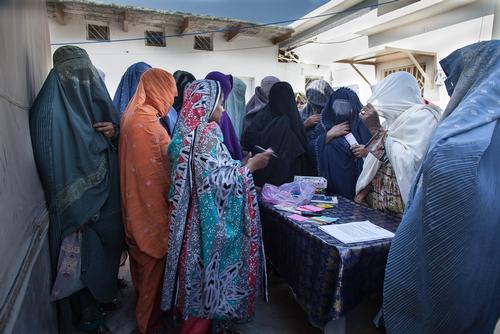
Chaman (Baluchistan) – MSF provides comprehensive emergency obstetric care, neonatal nursery, paediatric and gynaecological inpatient care, emergency referrals, and nutrition services at a hospital of the Ministry of Health. Women rush to collect a token number for the antenatal clinic. All are wearing the traditional burka or long shawls (chaddar) to cover themselves. They are being attended by a health educator.
Pakistan

For women in Pakistan to deliver a baby is a battle between life and death

For women in Pakistan to deliver a baby is a battle between life and death Voices from the Field - 23 Jun 2014
 
msf-placeholder

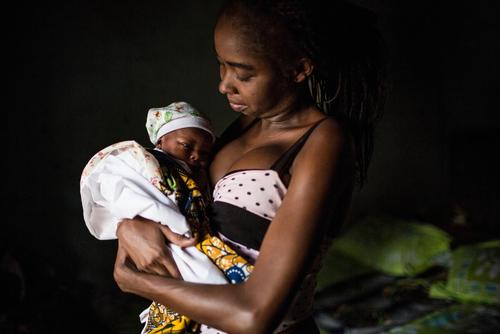
Slideshow: Giving birth in Central African Republic - Sonia's story

In pictures: Giving birth in Central African Republic - Sonia's story. Voices from the Field - 27 Mar 2014
 
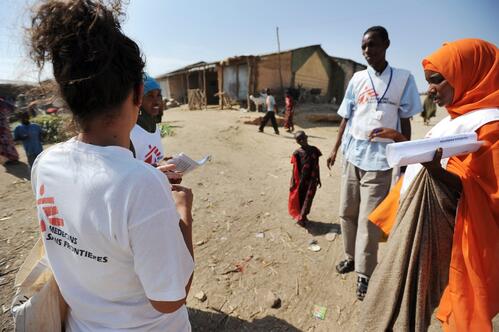
Carolina Lopez, Spanish MSF Health Promoter explains to the Health Promotion team how to interact with women at the West Imey Market. It is their first Health Promotion activity at the market. They will explain to women the importance for pregnant women to go to the MSF clinic for maternal care, what is available to them and stress the signs of difficult pregnancies and deliveries to watch out for.
Women's health

Do non-monetary incentives for pregnant women increase antenatal attendance among Ethiopian pastoralists?

Studies on the relationship between antenatal attendance and non-monetary incentives. Journal article - 21 Mar 2014
 
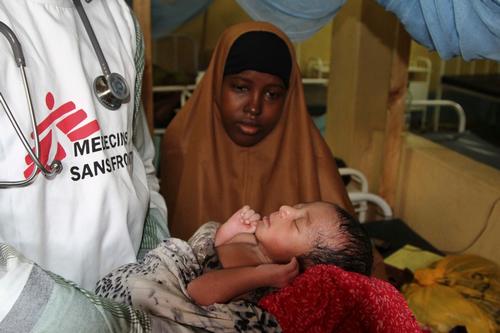
Muriya, Somali refugee and her newborn in MSF Dagahaley hospital in Dadaab refugee camp, Kenya, 2013 *** Local Caption *** Since 1991 successive crisis in Somalia have triggered several waves of displacement. Since the last famine episode mid-2011, half a million Somalis refugees now live in Kenya.
Women's health

Forced to Flee - women's health and displacement

On International Women’s Day 2014, as on every day, thousands of women will be forced to flee their homes. They
will join the 45 million other people worldwide who are displaced, whether due to conflict, persecution, or natural disasters. More than half of all those displaced are women and children.
Report - 8 Mar 2014
 
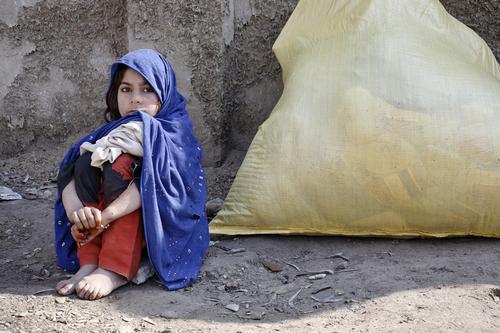
A girl sits next to relief items her family received in an MSF distribution.
 Since September 2008, MSF has been distributing relief items to displaced families living in improvised camps and with resident families. From September 2008 to March 2009, 30 000 people had benefited from MSF distributions in Peshawar, Charsadda and Mardan districts. *** Local Caption *** A massive influx of displaced people fleeing fighting in Bajaur Agency (500 000 people) in August 2008 and in Swat and Buner in April 2009 (1 to 2 million people) has caused significant strain on local families and health centres all around the region. Between 80  90% of the displaced population are living with resident families and improvised settlements all around the NWFP. The rest are living in official displaced persons camps. The dispersion of the displaced population over a large area and the general insecurity in the region have been major factors limiting MSF action.
Women's health

International Women's Day 2014: Forced to Flee

Stories from MSF's patients in Pakistan, Haiti, South Sudan, Philippines, Mauritania and Kenya. Voices from the Field - 7 Mar 2014
 
Today, Sonia continues to care for her child. But tensions in the neighborhood of PK5 remain. Shootings and exactions happen daily.

Sonia is 21 years old. She came to the Médecins Sans Frontières (MSF) hospital in M’Poko camp to deliver in the proximity of the Bangui international airport. Last December, while Sonia was more than 7 months pregnant, a wave of extreme violence struck Bangui, the capital of Central African Republic, obliging her to flee her neighborhood and seek refuge at the M’Poko camp. Today, the M’Poko Camp hosts around 40,000 people. The assistance is insufficient. People living there lack water, food and shelters while the rainy season approaches.

Since December, Médecins Sans Frontières (MSF) intervenes in the camp. Today, through a field hospital and three health posts in the camp, every day the MSF teams provide over 1000 consultations and help at least 10 women to give birth daily.
Women's health

Forced to Flee: Humanitarian Disasters Leave Women at Higher Risk

Tane Luna Ramirez from Médecins Sans Frontières reflects on the challenges of providing care for pregnant women as well as the heightened risk of sexual violence in disaster settings. Journal article - 7 Mar 2014
Four mothers posing in a corridor of the Hospital in Bili. All four of them are staying in the hospital with their child, that's suffering from a severe case of malaria. Since the beginning of the project in 2016, the pediatric ward already treated more than 4.000 cases of complicated/severe form of malaria.
Médecins Sans Frontières (MSF)

Independent medical humanitarian assistance

We provide medical assistance to people affected by conflict, epidemics, disasters, or exclusion from healthcare. Our teams are made up of tens of thousands of health professionals, logistic and administrative staff - most of them hired locally. Our actions are guided by medical ethics and the principles of independence and impartiality. We are a non-profit, self-governed, member-based organisation.

Learn more