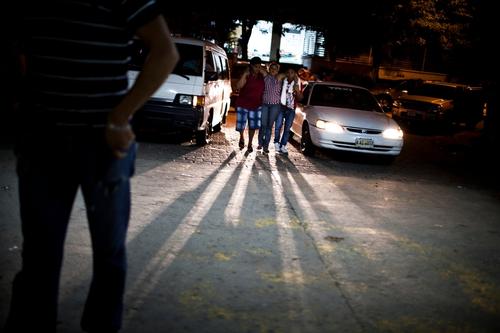
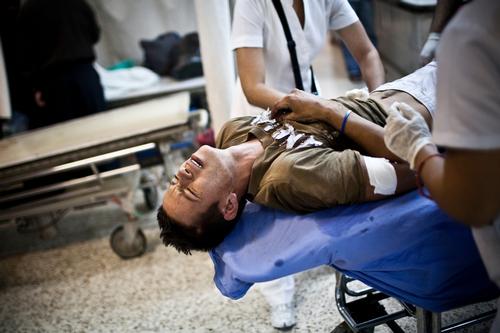
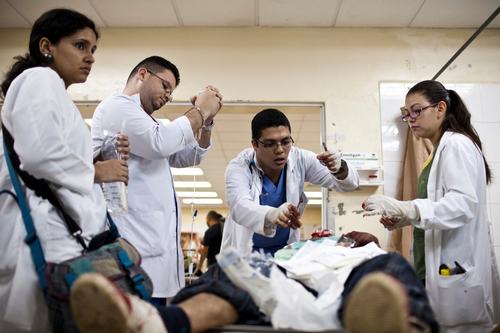
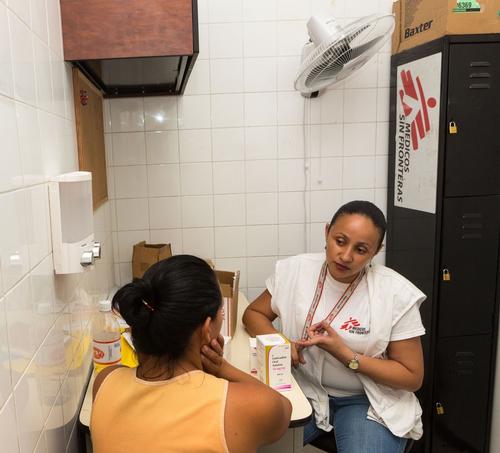
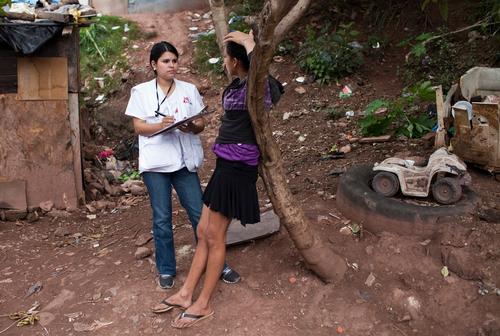
The emergency room of the university hospital Escuela, the main public hospital in Honduras, is always extremely busy, seeing some 260 patients per day. In 2013, MSF helped reorganise services and is working on improving emergency management to better deal with large influxes of patients and to reduce chances of death or permanent disability arising from inadequate trauma care.
In 2013, MSF helped reorganise services and is working on improving emergency management to better deal with large influxes of patients and to reduce chances of death or permanent disability arising from inadequate trauma care.
© Edu Ponces/RUIDO Photo

MSF Projects in Tegucigalpa

In 2013, MSF helped reorganise services and is working on improving emergency management to better deal with large influxes of patients and to reduce chances of death or permanent disability arising from inadequate trauma care.
© Edu Ponces/RUIDO Photo
Ebola disease in DRC: find out how we're responding
Learn more

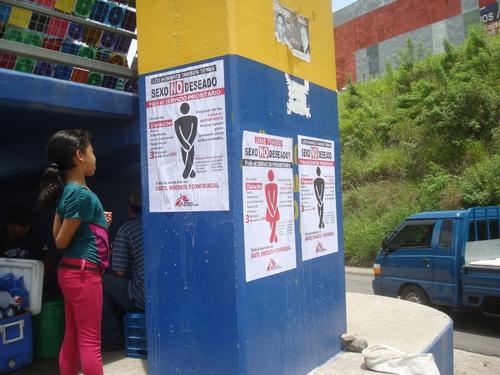
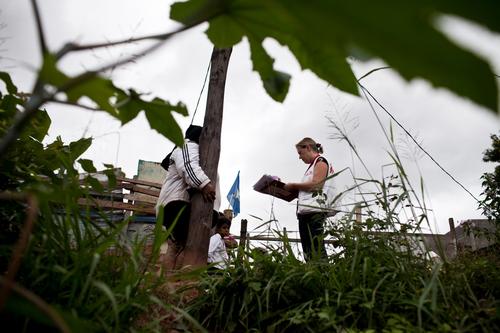
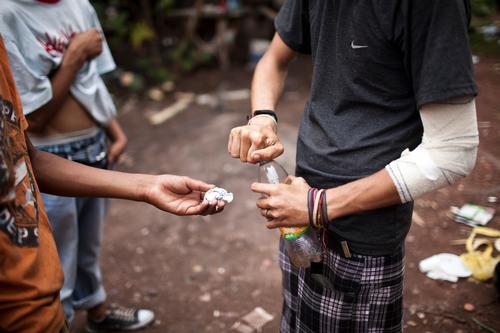
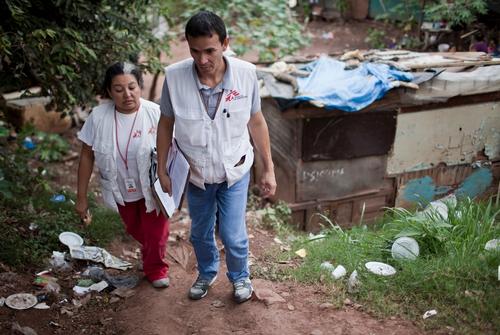
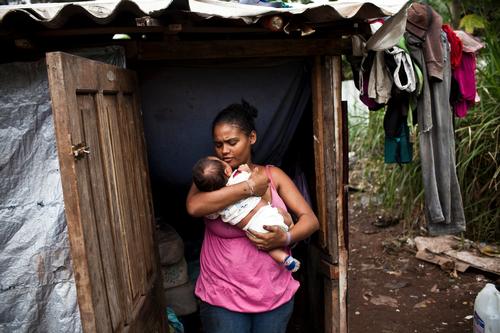
The public healthcare system in Honduras cannot keep pace with victims of violence, leaving the most vulnerable people deprived of much-needed services. Aiming to improve access to emergency medical care, MSF continues to run a comprehensive programme offering quality treatment and follow-up to victims of violence in the capital city of Tegucigalpa. Teams worked to increase vulnerable people’s access to emergency healthcare for trauma, medical emergencies, sexual violence and mental healthcare for victims of violence.