



Ebola disease in DRC: find out how we're responding
Learn more
1993 Results
 
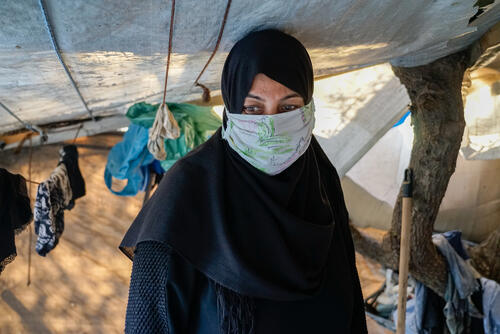
Omaima is 52 years old and suffers from neurological problems, asthma, hyper-tension and mental health issues.
She says:
"We have been in this camp for one year, it is a terrible camp; full of rats, dirt, there is not enough food and all of this causes mental health problems.
The health system in the camp has deteriorated and, because I am asthmatic, I don’t want to see the doctor here because I am afraid of being put in quarantine.
I prefer to be in my tent which is full of rats and snakes, but at least I am not going to be in direct contact with other sick people from different communities in the same container.”
Greece

Negligent and dangerous COVID-19 response in Vathy camp, Samos

On Greece's Samos island, the inadequate COVID-19 response in Vathy camp is dangerous and should be immediately addressed. Project Update - 26 Oct 2020
 
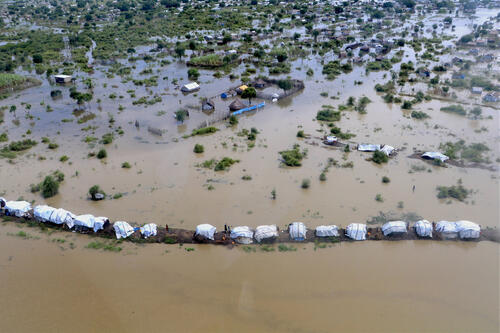
Flooding in the Greater Pibor Administrative Area, South Sudan. This year’s floods are happening against the backdrop of multiple emergencies including COVID-19, increased violence and fighting, a growing economic crisis, and high levels of food insecurity. The needs for medical care are increasing with a sharp rise in malaria cases and fears of outbreaks of other diseases
South Sudan

Worsening flooding increases health risks

South Sudan's severe floods are leaving people without adequate food, water or shelter. Malaria cases are rising and other disease outbreaks are likely. Project Update - 22 Oct 2020
 
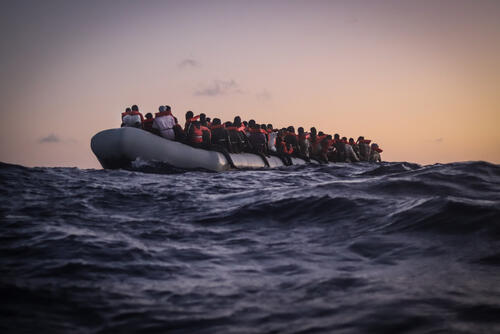
On August 24, SeaWatch4 completed its third rescue in 48 hours. Evacuated in a heavy swell, many of the some 100 survivors were hypothermic, disoriented and smelled strongly of gasoline. Emergency showers were provided for fuel exposure.
Mediterranean migration

Five things to know about the Mediterranean search and rescue crisis

Five search and rescue boats detained, including MSF's Sea-Watch 4. In five months. Here are five things to know about the current situation with search and rescue in the Mediterranean sea. Project Update - 16 Oct 2020
 
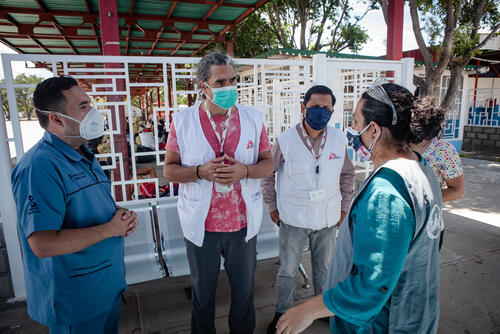
MSF staff provide support and advice to medical staff working in quarantine centres set up by national authorities to prevent the spread of COVID-19 in the Venezuelan border state of Táchira. Venezuelan returnees must undergo quarantine upon their arrival in the country.
Venezuela

MSF teams improve conditions for Venezuelan returnees in quarantine centres

Venezuelan migrants are returning to their home country in light of COVID-19. MSF is providing assistance to returnees to  ensure access to safe drinking water and prevent common diseases. Project Update - 13 Oct 2020
 
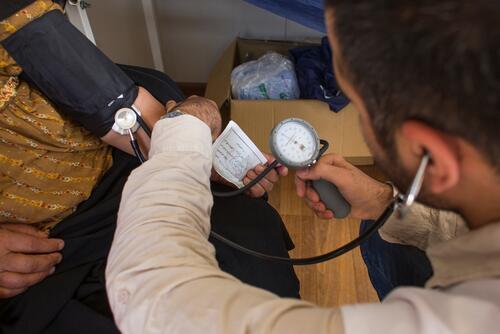
Non Communicable Disease clinic (MSF) in northeast Iraq.
Iraq

MSF hands over last projects in Diyala, Iraq, after six years

MSF teams provided healthcare services in Diyala governorate from late 2014 until August 2020 when they handed over their latest projects to the Health Directorate and other local and international organisations. Project Update - 13 Oct 2020
 
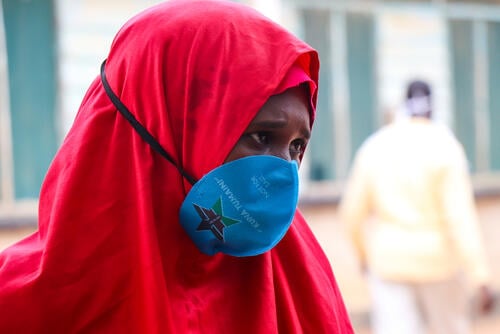
A refugee waits outside the mental health clinic for consultation.
Kenya

COVID-19 further fuels mental health crisis in Dadaab as durable solutions falter

The mental health of refugees in Kenya's Dadaab camp complex is dramatically deteriorating as COVID-19 hinders promises of durable solutions. Project Update - 9 Oct 2020
 
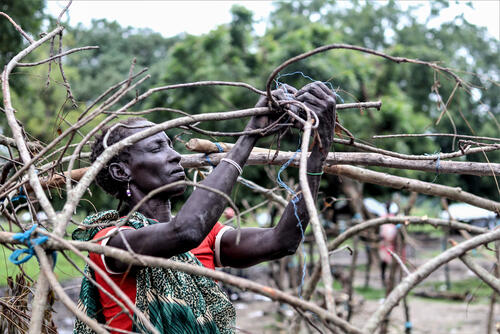
South Sudan. The Greater Pibor Administrative Area. Lukurunyang payam. September 7, 2020. Dede, a mother of eight constructs a new shelter in Lakurunyarg after floodwater overwhelmed her house and a small farm. An MSF (Médecins Sans Frontières) mobile clinic brings life-saving medical care to Lukurunyarg after the flooding made the roads impassable.
South Sudan

Heavy floods threaten the lives of thousands of people in Greater Pibor

Ongoing severe flooding in Greater Pibor, South Sudan, has displaced thousands and worsened a devastating humanitarian crisis. MSF is urging organisations to scale up their response. Project Update - 23 Sep 2020
 
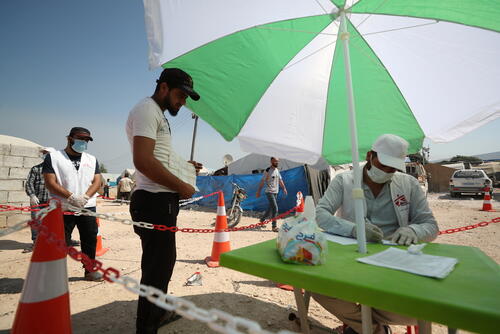
MSF has been engaged since April 2020 in distributing hygiene kits to displaced people living in camps in northwest Syria. Since then, the teams have distributed more than 63,000 hygiene kits including items such as soap and detergents to more than 26,000 displaced families in several camps in Idlib governorate and North Aleppo. 
In order to prevent overcrowding during the distribution, MSF teams have set up clear pathways from the entrance till the exit and put in place other measures such as asking people to maintain a safe distance among each other or asking only one person per family to come to the distribution site.
Coronavirus COVID-19 pandemic

Ten-fold increase in COVID-19 cases adds new challenges in northwest Syria

In just a month, the number of COVID-19 cases in northwest Syria have increased 10-fold, putting added pressure on the health system and creating more challenges in an already-dire situation.
Project Update - 22 Sep 2020
 
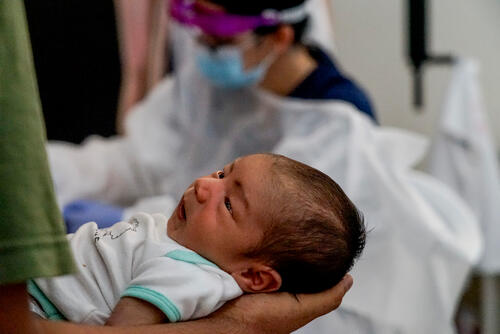
MSF has to set up an emergency clinic to reach thousands of people affected by the fire that blazed and destroyed Moria.

"This baby is 10 days old. 

Since #Moria fire she inhaled smoke, tear gas & has slept on the street without a tent for 4 days. She's been vomiting at night. 

Is it right for babies, elderly & sick people to be left like this? #EU states, where are you?"
Mediterranean migration

“Enough is enough”: Time to stop the cycle of suffering for refugees on Greek islands

In the wake of fires that destroyed Moria camp, on Lesbos, Greece, MSF urges the European Union to immediately evacuate refugees, and change harmful migration policies. Project Update - 17 Sep 2020
 
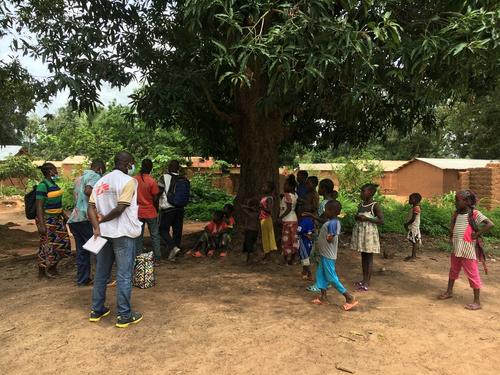
An MSF team informs the population of Batangafo about the upcoming mass drug administration (MDA) to prevent malaria.
Central African Republic

In times of COVID-19, malaria remains the number one killer of children in CAR

While COVID-19 makes the headlines, malaria remains one of the biggest causes of death in the Central African Republic; it is the biggest killer of children under five. MSF teams are providing preventive medication to people in Batangafo, in the country's northwest. Project Update - 15 Sep 2020
Four mothers posing in a corridor of the Hospital in Bili. All four of them are staying in the hospital with their child, that's suffering from a severe case of malaria. Since the beginning of the project in 2016, the pediatric ward already treated more than 4.000 cases of complicated/severe form of malaria.
Médecins Sans Frontières (MSF)

Independent medical humanitarian assistance

We provide medical assistance to people affected by conflict, epidemics, disasters, or exclusion from healthcare. Our teams are made up of tens of thousands of health professionals, logistic and administrative staff - most of them hired locally. Our actions are guided by medical ethics and the principles of independence and impartiality. We are a non-profit, self-governed, member-based organisation.

Learn more