


Ebola disease in DRC: find out how we're responding
Learn more
1390 Results
 
Palestine: The invisible mental health crisis plaguing the West Bank
Palestine

The invisible mental health crisis plaguing the West Bank

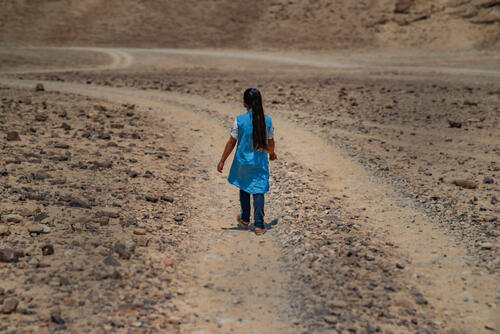
Much-needed mental health consultations are among the services Médecins Sans Frontières (MSF) offers civilians in Hebron, in the occupied West Bank of Palestine since 1996. Project Update - 10 Oct 2019
 
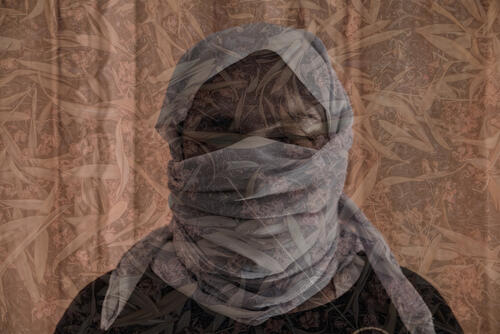
A Yezidi woman aged 60 poses in her house in Sinuni on September 2nd, 2019. 
« We are from Khanasor village but we’ve been living in Sinuni since March 2019, when we came back from the IDP camps. After the 2014 genocide, I started to have mental health problems. I feel nervous, scared, uncomfortable and angry. I have a constant headache. I have pain in my eyes because I cry a lot. I am always thinking about the memories from the genocide, those who died, those who emigrated. Some of my sons live abroad now, and it’s difficult to be apart ». 
(Merged image: top view of the burned ground in a ghost town north of Mount Sinjar, on which dead flowers have fallen)
©Emilienne Malfatto
Mental health

The Yazidi - a community without hope

The genocide of the Yazidi people - a religious minority based in northern Iraq, near the border with Syria - by Islamic State group in 2014 traumatised the remaining community. Today MSF teams are providing medical care, but especially mental healthcare, to help people heal. msf.exposure.co - 9 Oct 2019
 
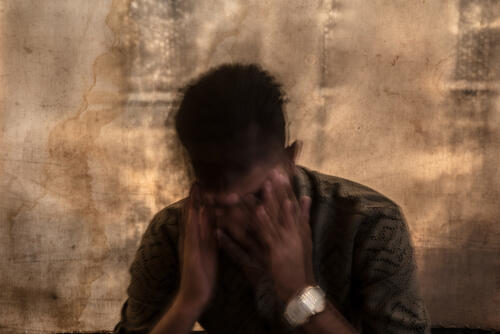
A Yezidi man aged 24 poses in his tent on Mount Sinjar on September 3rd, 2019. 
« We are from the South of the mountain, close to Sinjar City. After the genocide, we stayed for one year in an IDP camp in Kurdistan, then we came here, to the mountain. I live in this tent with my family, my parents, my wife, my brother, my nephews… It is very, very difficult to live here. The living conditions are very hard. It’s either too hot or too cold. The latrines are shared and disgusting. There is no work here. I work with an armed group and make 300 USD a month. 
I am never happy. I am always upset. I cannot hang out with my friends because I can’t pretend to be happy. Depression is very hard. I feel like I am melting - and indeed I have lost a lot of weight. I affects my whole body. I also forget a lot of things. 
I keep thinking about things I saw, or heard, about the genocide. Children who died. Children who were killed by ISIS and then ISIS cooked them and gave the ‘meat’ to their mothers. 
I tried to kill myself three times: by drowning, with a gun, and with a knife. Each time, I was stopped. Since then, my family is worried about me, and I feel guilty because of that. It just makes things worse. 
I don’t want to take medication because it has too much side effects. I would like a magic pill to make all of what happened disappear, and make things good again. 
In those living conditions, it’s not easy to get better. Every single night I cry myself to sleep. Nothing makes me happy in life. There is no happiness in this life. If I am alive or dead, it’s the same thing. »
©Emilienne Malfatto
Iraq

MSF warns of mental health crisis among Yazidis in Iraq

A mental health crisis, including multiple suicides, is occurring in Iraq among the Yazidi community in Sinjar. IS atrocities took place here in 2014. Press Release - 4 Oct 2019
 
msf-placeholder
Syria

Women treated for gunshot wounds amidst violence and unrest in Al-Hol camp

MSF teams have treated women for gunshot wounds after shooting broke out in Al-Hol camp, northeastern Syria. Press Release - 30 Sep 2019
 
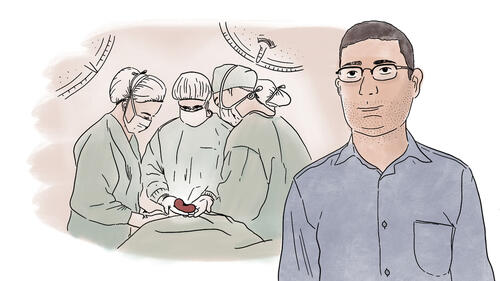
Quote attached to drawing:

“Ten years ago, I underwent a kidney transplant. In that moment, I switched roles. I was not the doctor anymore, I became the patient. This operation turned out to be a decisive moment in my life
Today, I am one of the only doctors in northern Syria providing treatment for patients who underwent a kidney transplant.
Syria

Beyond trauma injuries: One of Syria’s neglected health needs

Syrian doctor Mohammad Al Youssef has worked with MSF since 2014 to provide life-saving treatment for people who have undergone kidney transplants. Voices from the Field - 17 Sep 2019
 
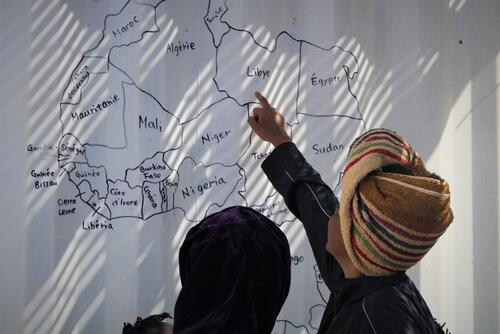
Kubro is pointing out Libya on the map of Africa on the side of the women's shelter.

Kubro was rescued from a boat in distress on the Mediterranean Sea on September 9 and transferred to the Ocean Viking.

With 84 people on board - from two separate rescue operations - the Ocean Viking has requested a place of safety for their disembarkation.
Mediterranean migration

Ocean Viking survivors to disembark in Lampedusa six days after the first survivors were rescued at sea

The Italian authorities’ offer of a place of safety within six days of the first rescue at sea is a clear demonstration of humanitarian values, and represents a positive step towards a more humane response to the suffering that continues on the Central Mediterranean Press Release - 14 Sep 2019
 
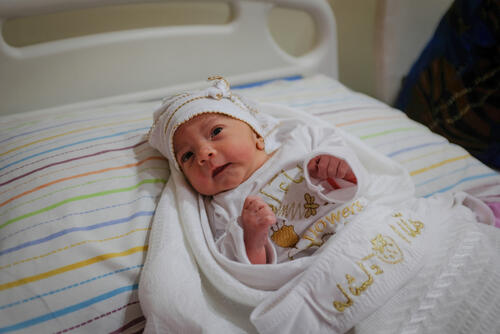
Newborn in Nablus maternity, Mosul.
Iraq

Mosul's expectant mothers just can't wait

Thousands of people are still struggling to access affordable quality healthcare in Mosul, northern Iraq, and pregnant women are among the most vulnerable. In west Mosul, two MSF maternity units welcome more than 150 babies each week. Project Update - 11 Sep 2019
 
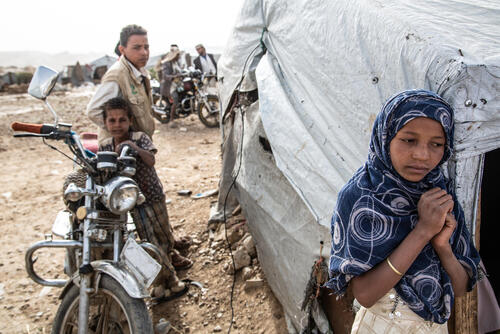
Yemen, Amran governorate, Khamer, 24 April 2019 - Dahadh camp is located in Khamer, Amran governorate, 1 km southeast of the city centre, near the Qat market. 410 families, around 3430 persons, have been living inside the camp since 2015, the beginning of the war. Some of these families were displaced several times, they are mostly coming from Saada (280 families), the most heavily bombed governorate by the Saudi and Emirati-led coalition (SELC) since March 2015. New waves of displacements to Khamer occurred during the offensive on Hodeidah, launched in June 2018 by SELC backed troops against Ansar Allah forces to take over the city. Following clashes in Kuchar (north Abs), located in Hajjah governorate, new IDP recently arrived in Khamer. In March 2019, over 18,000 newly displaced people were forced to flee looking for safety in Abs and surrounding areas after several days of intense fighting. More than 50,000 people are now displaced in North Abs because of these fighting. 
In Dahadh camp, MSF teams have been supporting IDPs with NFIs (blanket, soap, kitchen tools, etc), water tanks and water trucking until Oxfam took over at the end of 2015. We also started two mobile clinics, one of them visiting Dahadh camp twice a week. Mobile clinic activities were stopped when the lands’ owners prohibited teams to go to Dahadh. In July 2016, we provided scabies treatment in the camp.
Yemen

Last stop, Khamer: displaced people in exile in northwestern Yemen

The conflict Yemen has displaced thousands of people. Some of them have sought safety in Khamer, in the country's northwestern Amran governorate, where MSF teams are providing medical and surgical care. Photo Story - 3 Sep 2019
 
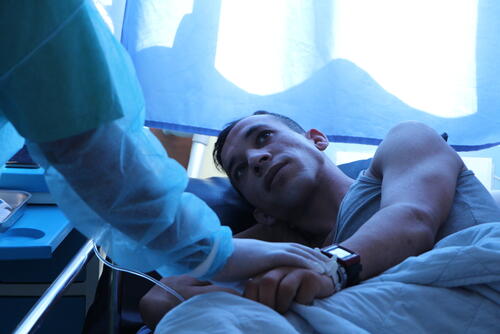
Ruslan, 24, is comforted by an MSF nurse as he lies in bed in an isolation room in a hospital in Khan Younis. He is being treated for an antibiotic resistant infection in his leg bones after being shot by the Israeli army during protests.
Antibiotic resistance

Treating resistant infections in Gaza under the blockade

Antibiotic resistance was already an issue for people across the Middle East; resistant infections are now making treatment difficult for those with gunshot wounds sustained during the March of Return protests in Gaza. Project Update - 2 Sep 2019
 
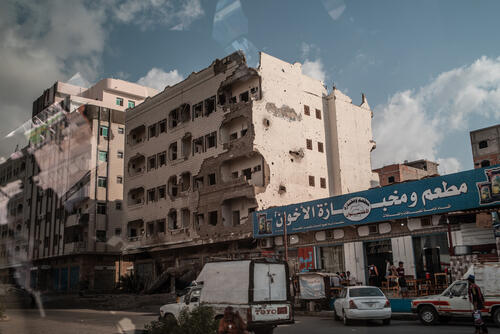
Yemen, Aden, 17 December 2018 - A building of Aden destroyed by fighting in 2015. On 25 March 2015, Ansar Allah troops took over the airport of Aden. Intense fighting occurred inside the city from March to August 2015, between Ansar Allah and the former President Ali Abdallah Saleh against the Southern resistance, backed by the Saudi and Emirati-led coalition. During this period, MSF teams in Aden hospital mainly treated war wounded patients, being one of the very few remaining surgical hospital in Aden city.
Yemen

Chaos and fighting in Aden as over 50 wounded admitted in just a few hours

A sharp increase in fighting in Aden, in southern Yemen, resulted in over 50 people being admitted to MSF's hospital in the city in the space of just a few hours. Press Release - 29 Aug 2019
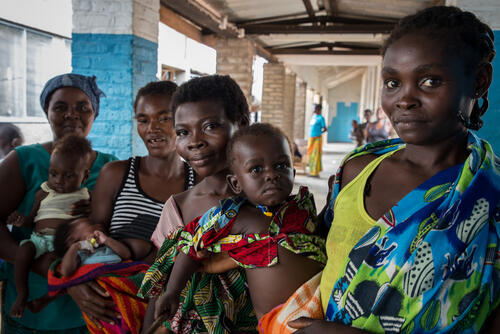
Four mothers posing in a corridor of the Hospital in Bili. All four of them are staying in the hospital with their child, that's suffering from a severe case of malaria. Since the beginning of the project in 2016, the pediatric ward already treated more than 4.000 cases of complicated/severe form of malaria.
Médecins Sans Frontières (MSF)

Independent medical humanitarian assistance

We provide medical assistance to people affected by conflict, epidemics, disasters, or exclusion from healthcare. Our teams are made up of tens of thousands of health professionals, logistic and administrative staff - most of them hired locally. Our actions are guided by medical ethics and the principles of independence and impartiality. We are a non-profit, self-governed, member-based organisation.

Learn more