



Ebola disease in DRC: find out how we're responding
Learn more
1390 Results
 
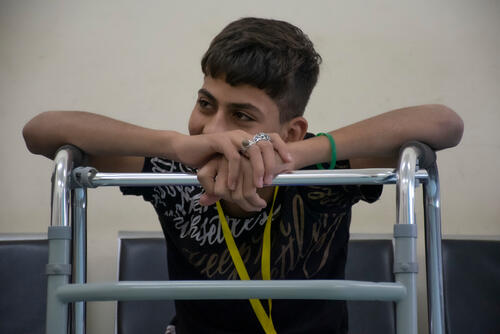
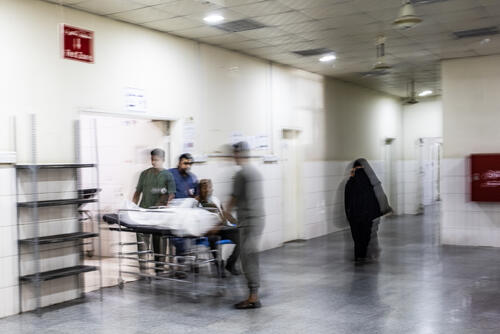
Kadhim Dhaygham (16) is a patient at MSF's BMRC. Kadhim was injured on October 27 when a tear gas cannister slammed into his leg during protests in Baghdad
Iraq

Mending broken lives: treating wounded protesters in Baghdad

MSF staff have been providing lifesaving post-operative treatment - including physiotherapy and mental health support - to people wounded during the protests in Baghdad, Iraq. Project Update - 10 Jan 2020
 
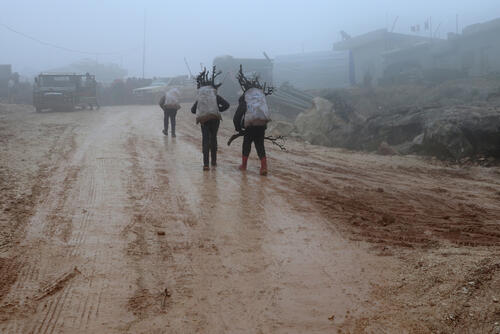
Two adolescents are going back to their tent in an IDP camp located in the Jebel Harem area of Northwest Syria. They’ve been collecting wood in the mountain and around the camp, to use it as heating material during winter.
Syria

Afraid of the bombs: why people discuss the weather in northwestern Syria

A new military offensive in Idlib governorate, northwestern Syria, has forced hundreds of thousands of people to flee, joining more than 1.5 million displaced already living in dire conditions during a cold and wet winter. Project Update - 9 Jan 2020
 
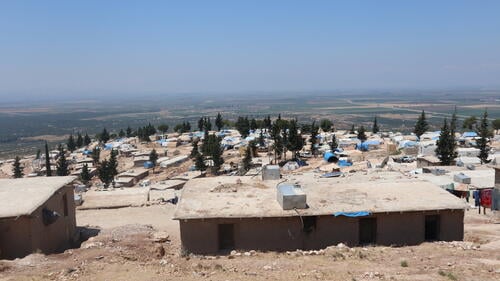
An IDP camp of Northwest Syria.
Over the past few months, MSF has been distributing drinkable water to newly displaced families, transferring waste, installing and ensuring the maintenance of toilets and latrines in both existing camps and newly formed settlements of Northwest Syria.
Syria

“There are no safe places for people in Idlib”

An escalation of attacks on previously 'safe' areas, including displaced people's camps, in Idlib province, on the Syria-Turkey border has killed and wounded dozens and forced thousands to flee again. Interview - 27 Dec 2019
 
Last February, the Libyan coast guard caught up with the boat I was trying to leave Libya on. After the arrest, I was taken to the Souk al Khamis detention centre in Khoms city.
My name is Ahmed*, I am 21 years old and from Mogadishu, Somalia. UNHCR teams came to see us in Souk al Khamis and registered me, I was waiting to be transferred to Tripoli. A few days later, the prison managers told us to board two minibuses. Finally, we were going to be transferred. That's what I thought. But after several hours on the bus, we were going deeper and deeper into the desert. That's when I realized that we were not driving to Tripoli, but that we were in danger of being sold to traffickers. This risk was confirmed when I spotted armed men approaching in their pick-ups. In haste and fear, we all decided to try to escape by surprise, even if it meant losing our lives. At least two people died in the ensuing shooting.
I am part of the group that managed to escape to a small town at dawn whose name I do not know. There, an old Libyan man offered us something to drink and eat, and he went to warn the authorities of our presence. We were taken to the Sirte detention centre - we stayed there for five months. MSF teams who knew us in Souk al Khamis came to see us several times in Sirte to treat those who were sick. Then we were sent to another prison in Misrata. It was really the worst. I was not feeling well and MSF brought me to the hospital to treat my tuberculosis.
I learned that the Misrata detention centre has closed and that the group with which I survived this adventure had to go to Souk Al Khamis, where they tried to sell us... Back to square one.
Libya

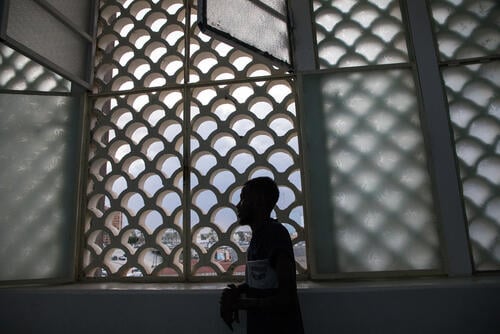
Trading in suffering: detention, exploitation and abuse in Libya

Trapped - either from going home, from fleeing across the sea, or in a detention centre - refugees and migrants in Libya are exposed to violence, rape, exploitation and abuse. Photo Story - 23 Dec 2019
 
Yemen, Aden, 16 December 2018 – Entrance of OT and ICU of MSF trauma hospital in Aden. The hospital opened in 2012.
Antibiotic resistance

Why bacteria love war-wounds

Bacterial infections can be deadly, and antibiotics remain the best tool to treat them. But they are losing their effectiveness due to antibiotic resistance. We see this throughout our projects in the Middle East, where war-wounds are particularly susceptible. Project Update - 18 Nov 2019
 
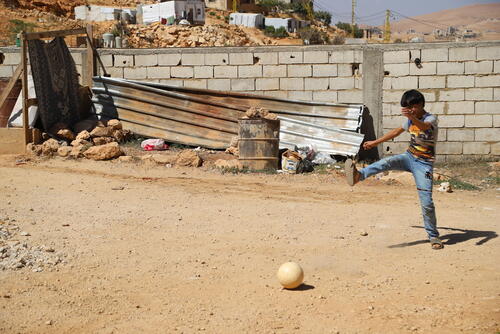
12-years old Houssam is suffering from diabetes type I.
As part of the healthy lifestyle that the medical team recommends, Houssam was advised to exercise whenever he has Hyperglycaemia. Houssam’s favourite sports is football, he plays it with his brother in the surroundings of his tent in Aarsal.
Lebanon

Empowering children living with type 1 diabetes

In Lebanon, MSF diabetes programmes focus on the use of technologies to improve young patients' adherence to treatment and their quality of life. Project Update - 13 Nov 2019
 
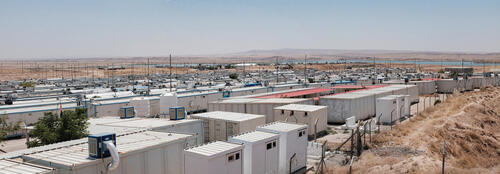
Panoramic view of Alwand Camps (Alwand 1 in the frond and Alwand 2 behind it near the river) with the river in the background.
Iraq

For displaced people in Iraq, going home seems impossible

Some 827 displaced families have lived in Alwand Camps 1 and 2 in Diyala governorate for years. They rely on ever-decreasing humanitarian aid to survive. Project Update - 7 Nov 2019
 
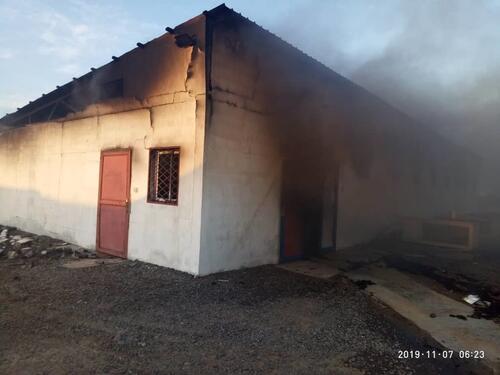
Inside the compound of Mokha hospital.
Yemen

MSF hospital partially destroyed in Mocha attack

An aerial attack on nearby buildings, including a military warehouse, have partially burnt and destroyed an MSF hospital in Mocha, southwestern Yemen, leaving the hospital inoperative and people without medical care. Project Update - 7 Nov 2019
 
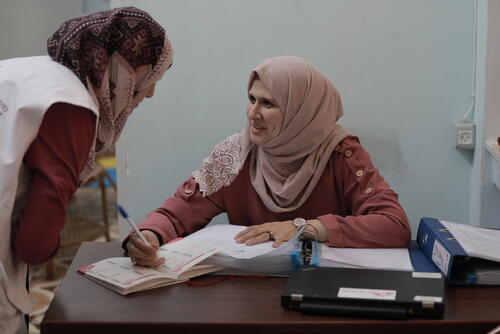
Rania Samour is a counsellor that works for Médecins sans Frontières in Gaza, Palestine. She is part of a team that offers psychosocial support to our patients and their families as they undergo treatment. “Most of our patients here have trauma,” she says, “so I am trying to help them to avoid that trauma becoming a long-term problem.” Here she discusses the day’s appointments with her colleague.
Palestine

A day with an MSF counsellor in Gaza

This photo story follows an MSF psychosocial counsellor supporting burn and trauma patients at a clinic in Gaza. Many were shot during protests. Photo Story - 7 Nov 2019
 
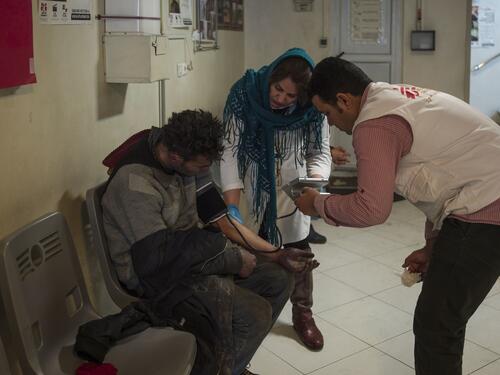
MSF  clinic in South Teheran.
Iran

After a cold night on the streets, a warm reception

Médecins Sans Frontières (MSF) project coordinator in south Tehran, Iran describes a day at a clinic, where most patients are homeless and take drugs. Voices from the Field - 6 Nov 2019
Four mothers posing in a corridor of the Hospital in Bili. All four of them are staying in the hospital with their child, that's suffering from a severe case of malaria. Since the beginning of the project in 2016, the pediatric ward already treated more than 4.000 cases of complicated/severe form of malaria.
Médecins Sans Frontières (MSF)

Independent medical humanitarian assistance

We provide medical assistance to people affected by conflict, epidemics, disasters, or exclusion from healthcare. Our teams are made up of tens of thousands of health professionals, logistic and administrative staff - most of them hired locally. Our actions are guided by medical ethics and the principles of independence and impartiality. We are a non-profit, self-governed, member-based organisation.

Learn more