



Ebola disease in DRC: find out how we're responding
Learn more
1758 Results
 
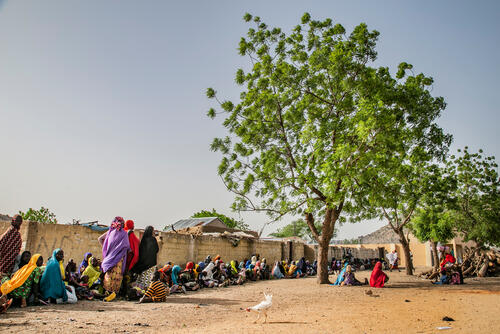
Displaced people wait for a distribution of non-food items (NFIs) in Pulka town.
Nigeria

Crisis update: Borno and Yobe states, January 2019

Despite a massive deployment of aid in Borno state since 2016, the humanitarian response remains insufficient, many urgent needs remain unmet and hundreds of thousands of people remain heavily dependent on aid for survival, both in the state capital Maiduguri and in isolated enclaves in the countryside controlled by the military. Crisis Update - 14 Jan 2019
 
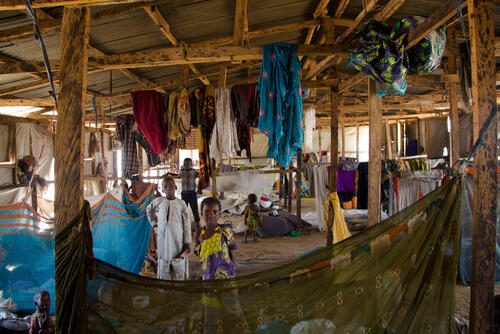
Constant influx of newly arrived people have left IDPs living in overcrowded communal shelters (60 to 70 people) or camping in the open under trees. They can stay there for several months before being allocated a personal shelter for their family.
Nigeria

“All I have in this world are the clothes on my back”

People continue to be displaced by violence in northeast Nigeria, where MSF has been providing lifesaving medical care since 2014. Many are dependent on aid to survive, and there is often not enough to go around. Project Update - 8 Jan 2019
 
Amana is a village of around 6,000 people, close to the Cameroonian border. Since the conflict in the North West and South West regions of Cameroon began in November 2017, more than 4,000 refugees have arrived in the village and have been hosted by the local community.
Nigeria

Tens of thousands of Cameroonians seek refuge in southern Nigeria

MSF has launched an emergency response to provide aid to people fleeing the English-speaking regions of Cameroon to seek refuge in southern Nigeria’s Cross River State, and to support the communities hosting them. Project Update - 21 Dec 2018
 
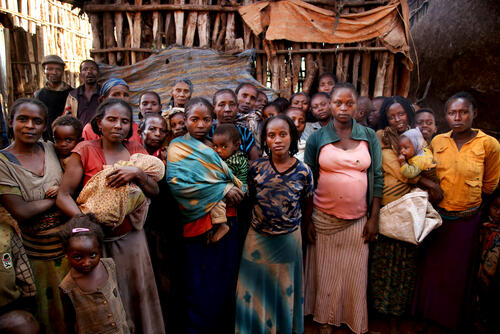
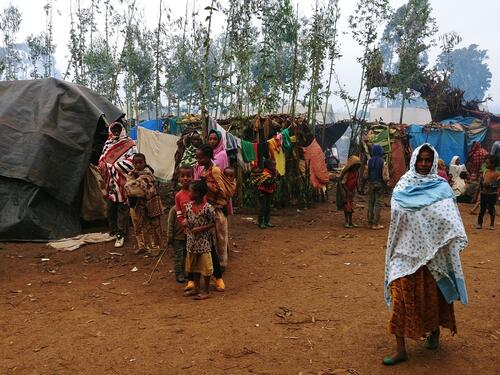
A group of people who fled their homes after recent violence in southern Ethiopia stand in front of one of the houses where they have found shelter in Ewaabay town, in Oromia region
Ethiopia

“People who fled their homes said there was no warning”

First-hand accounts from patients and staff in Gedeo and Guji, Ethiopia, during MSF’s emergency response. Ethnic violence escalated in May and hundreds of thousands of people fled their homes, leaving them without basic services and putting their health at risk. Voices from the Field - 21 Dec 2018
 
Temporary shelters in a camp for internally displaced people in Gedeb, Gedeo zone, in Ethiopia’s SNNP region.
Ethiopia

More aid needed for people caught in multiple displacement crises

MSF is ending one emergency response in the south of the country while preparing to respond wherever the next crisis arises. Project Update - 21 Dec 2018
 
MSF medical team also conducts regular mobile clinics in Niamey and provide on-the-spot consultations. Here on its way to one of the migrant sites.
Niger

Medical care for people on the move in Niamey

Between May and November 2018, MSF staff carried out about 4,500 consultations for people on the move in the capital of Niger, a hub of migration in Africa. Project Update - 19 Dec 2018
 
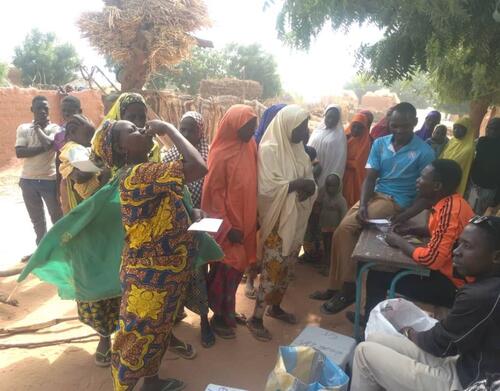
Since early July, Niger has been battling the worst cholera outbreak in years, which affected over 3,800 people and caused 78 deaths. As the disease ebbs, Médecins Sans Frontières and local health authorities shift focus to preventing future outbreaks in the southern region of Maradi, most affected by the current epidemic and known as a hotspot for cholera along the border of Niger and Nigeria. These efforts include vaccination of over 145,000 people with an easy-to-administer oral vaccine in three of Maradi’s health zones: Tchadoua, Aguié and Gazaoua. MSF has provided local health authorities with logistic and technical support. Epicentre is supporting the intervention with a post-vaccination survey.
Niger

Preventing future outbreaks in a cholera hotspot

Since early July, Niger has been battling the worst cholera outbreak in years. As the disease ebbs, MSF and local health authorities shift their focus to preventing future outbreaks in the southern region of Maradi, most affected by the current epidemic and known as a hotspot for cholera along the border of Niger and Nigeria. Project Update - 17 Dec 2018
 
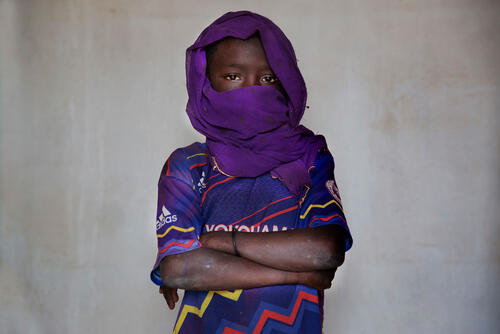
Anas 
Twelve-year-old Anas and his parents left Nigeria four years ago. Anas’ parents were small traders and the family lived well, but they had to give everything up due to the conflict. Anas witnessed several murders when his village was attacked.
Niger

Lives haunted by violence

Since late 2014, the region of Diffa in southern Niger has been caught in armed conflict, forcing 250,000 people from their homes, over two-thirds of them children. Halisa, Mohammed, Asan, Aïcha, Mariam and Issa, participants in the mental health programme that MSF runs in Diffa, share their stories. Voices from the Field - 14 Dec 2018
 
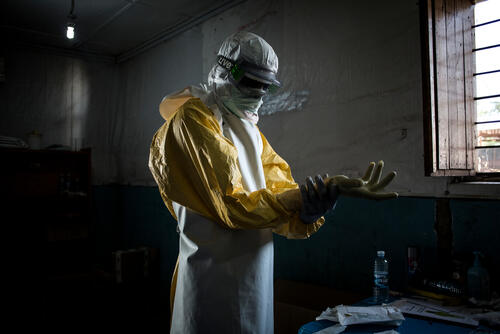
A health worker is seen putting on his personal protective equipment (PPE) before entering the red zone of a MSF supported Ebola Treatment Centre(ETC), where they will check up on patients on November 06, 2018 in Bunia.
DRC Ebola outbreaks

Ebola spreads further into urban communities and isolated areas in North Kivu

The Ebola epidemic continues to spread through the Democratic Republic of Congo (DRC)’s North Kivu province. The newest areas to be affected include the city of Butembo and a number of isolated areas. Project Update - 3 Dec 2018
 
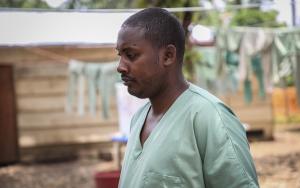
Portrait Alpha Diallo Watsan DRC
DRC Ebola outbreaks

Ebola in DRC: Cutting the chains of transmission

To run Ebola treatment centres, our teams rely on experienced staff to share their expertise in North Kivu, Democratic Republic of Congo, in the fight against this deadly disease. One of them is Alpha Diallo from Guinea who works as an expert in water and sanitation, also known as WatSan. Voices from the Field - 19 Nov 2018
Four mothers posing in a corridor of the Hospital in Bili. All four of them are staying in the hospital with their child, that's suffering from a severe case of malaria. Since the beginning of the project in 2016, the pediatric ward already treated more than 4.000 cases of complicated/severe form of malaria.
Médecins Sans Frontières (MSF)

Independent medical humanitarian assistance

We provide medical assistance to people affected by conflict, epidemics, disasters, or exclusion from healthcare. Our teams are made up of tens of thousands of health professionals, logistic and administrative staff - most of them hired locally. Our actions are guided by medical ethics and the principles of independence and impartiality. We are a non-profit, self-governed, member-based organisation.

Learn more