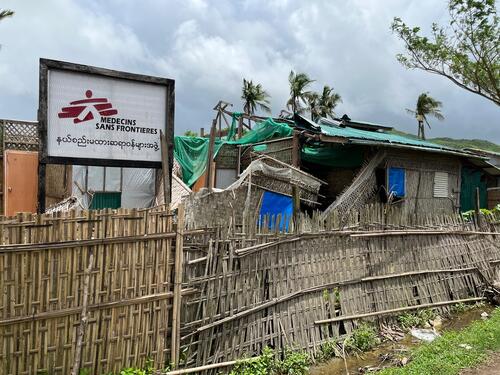
The military’s seizure of power in Myanmar in February 2021 left the public healthcare system in disarray, threatening millions of people’s ability to access healthcare.
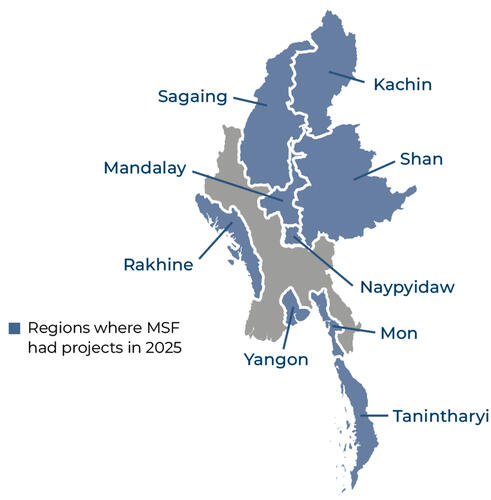
MSF teams continue to care for HIV, tuberculosis and hepatitis C patients, provide basic healthcare and reproductive and sexual healthcare services, and to respond to medical emergencies.
We pioneered HIV treatment in Myanmar – at one point becoming the largest provider of antiretrovirals in the country – and steadily grew a large patient cohort. In 2015, we began working with the Ministry of Health to transfer patients to the decentralised National AIDS Programme, so people can receive care closer to home. This has been suspended since the military seized power, and we are now seeing those patients return to us in greater numbers at our clinics in Shan, Kachin and Tanintharyi.
Despite restrictions on humanitarian access to conflict-affected areas, we have mobile teams based in Sittwe and Maungdaw in Rakhine state, who offer basic healthcare. They also arrange emergency referrals for patients from all communities, including those forcibly detained in camps.
Our activities in 2025 in Myanmar
Data and information from the International Activity Report 2025.
739
739
€19.1 M
19.1M
1992
1992
MSF in Myanmar in 2025
Médecins Sans Frontières (MSF) teams in Myanmar continued to face barriers in providing humanitarian assistance to communities in need. Despite this, we delivered emergency assistance to people affected by conflict, exclusion, and an earthquake.

151,900
151,9
4,500
4,5
1,500
1,5
960
96
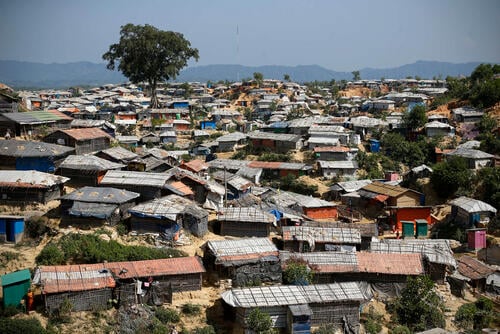
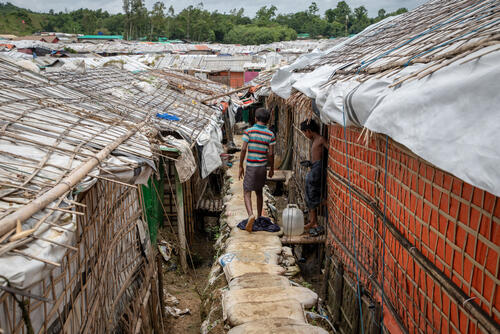
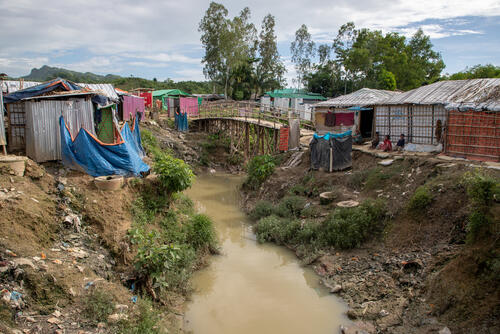
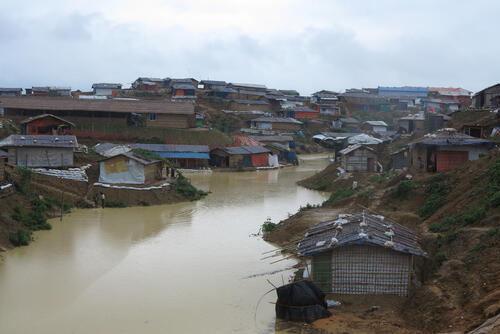
Rohingya refugee crisis
One year on, Rohingya refugees live in dire camps, facing an uncertain future and legal limbo
Project Update
24 Aug 2018
find us online