


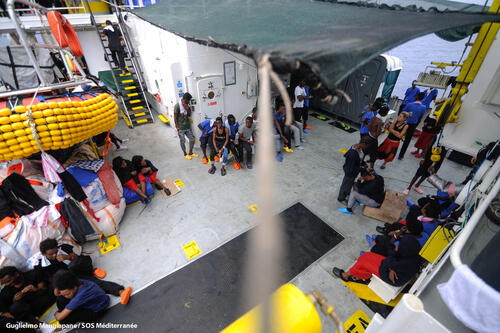
Aquarius has received formal permission from the Maltese authorities to enter the port of Valletta. MSF is relieved that a place of safety has been found for the 141 vulnerable people rescued on the Mediterranean. They are survivors of two search and rescue events which were coordinated by Libyan Joint Rescue Coordination Centre. We welcome the news that France, Germany, Luxembourg, Portugal and Spain have also agreed to share responsibility in a coordinated European response.
Since the rescues on Friday, our priority has been to ensure the wellbeing of those rescued at sea and, in line with international and maritime law, disembark them in a place of safety without delay so that the Aquarius can continue providing urgently needed humanitarian assistance for those still in distress in the Central Mediterranean. As Malta is one of the closest places of safety, docking there saves people rescued from being stranded on the rescue ship for even longer.
Long-term sustainable solutions that address the humanitarian crisis on the Central Mediterranean are still desperately needed. This is the responsibility of the EU as a whole, and we look forward to seeing more concrete examples of European leadership and solidarity on this issue in the future. However, we remain gravely concerned about the current situation on Central Mediterranean and the future of humanitarian action at sea.
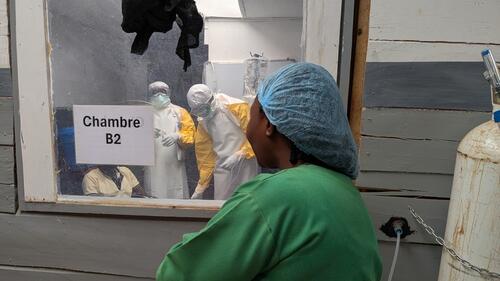
DRC Ebola outbreaks
Ebola disease outbreak spreads like a megafire in North Kivu as new hotspots multiply
Project Update
5 Oct 2026
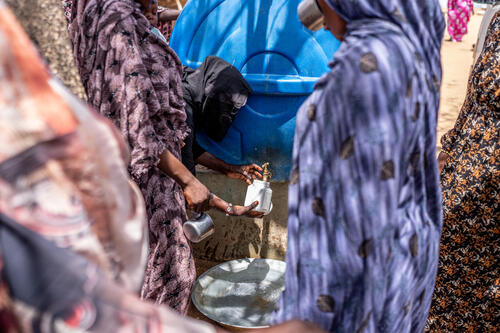
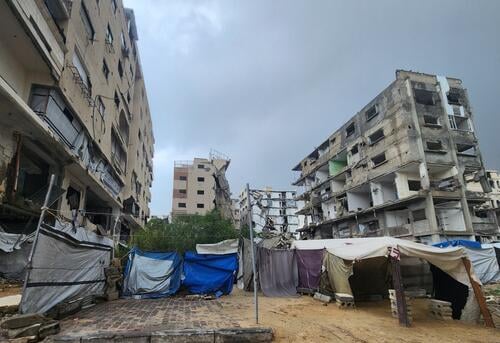
Gaza-Israel war
Three years on, Israel is asphyxiating Gaza and dismantling the means of survival
Press Release
5 Oct 2026