




1,540
1,54
490
49
Médecins Sans Frontières continued to address gaps in medical services for the most vulnerable people and challenge these restrictive policies in Italy in 2019.
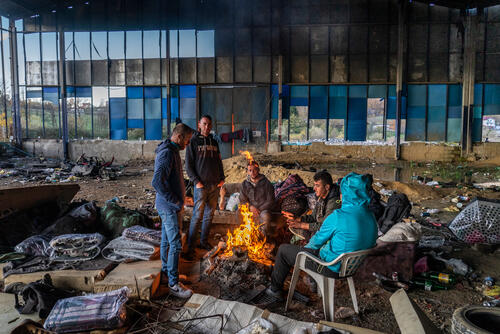
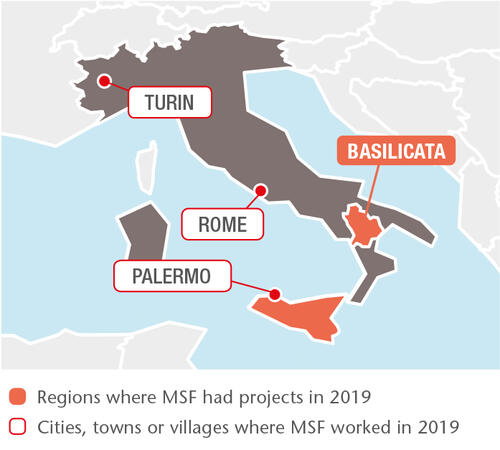
From July to November, we ran a mobile clinic in Basilicata region in southern Italy to provide healthcare to migrants working as daily labourers in agriculture. Most of them live in crowded, unsanitary conditions in remote rural settlements, in makeshift camps or rural squats. In five months, MSF carried out more than 900 medical consultations and over 400 consultations for legal support via partners. At the end of the year, we identified a group of local doctors to take over these activities.
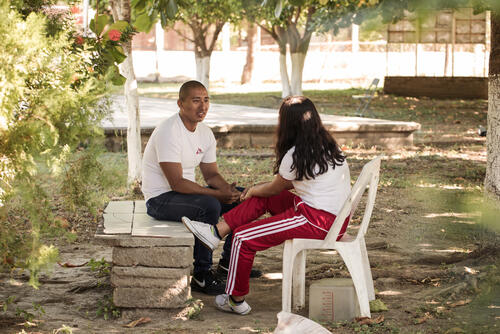
In November, we closed the rehabilitation centre for victims of torture that we opened in Rome in 2016. The project, run in collaboration with local partners Medici Contro la Tortura and ASGI, implemented a multidisciplinary approach. This comprised medical and psychological consultations, physiotherapy and social support for over 200 patients. Most of our patients were discharged in 2019, with the most critical (around 10) being referred to our partners or other organisations.
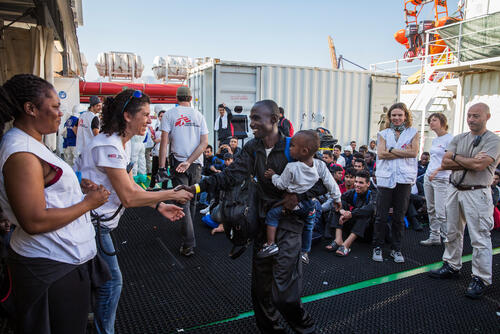
Our teams continue to offer psychological first aid at disembarkation for people who have suffered traumatic events while crossing the Mediterranean. In 2019, MSF teams of psychologists and intercultural mediators assisted more than 38 people in two interventions in Lampedusa and Catania.
Throughout the year, in Palermo, Rome and Turin, we helped around 1,060 people to access national health services, in partnership with local health authorities.