




174,500
174,5
1,080
1,08
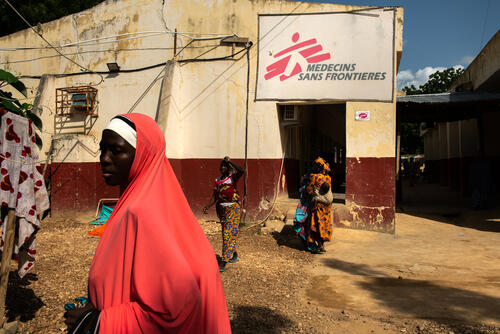
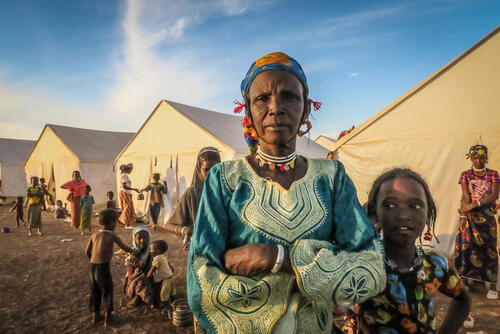
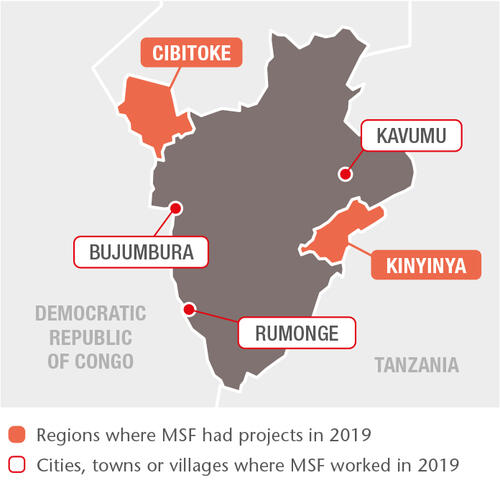
There was a significant increase in malaria cases in Burundi in 2019, with close to nine million recorded between January and December. MSF launched a response to this outbreak in Kinyinya health district, one of the most severely affected in the country. In June, our teams started supporting 14 health centres and two hospitals by providing free malaria treatment, and then in September, conducted an indoor residual spraying campaign, a technique that involves spraying individual houses with insecticide to kill off mosquitoes. In just one month, our teams sprayed 59,731 homes, protecting close to 287,000 inhabitants for the next six to nine months. In April and December 2019, we conducted similar campaigns in three camps for Congolese refugees.
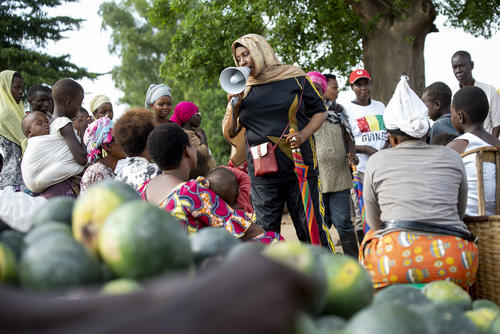
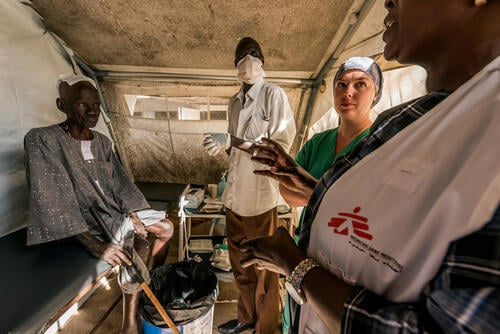
In response to an unprecedented cholera epidemic, MSF built and supported four treatment facilities in Bujumbura, Cibitoke and Rumonge provinces, trained public health staff and assisted with awareness-raising campaigns. We also built an extensible 50-bed capacity cholera treatment centre in Kamenge, Bujumbura, co-managed by MSF and the Ministry of Health.
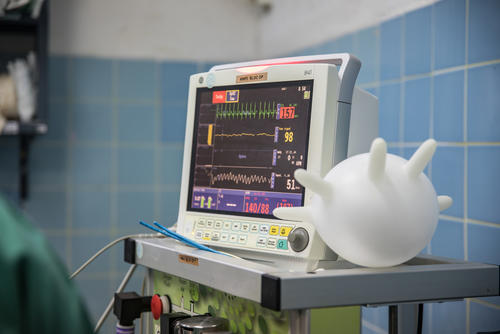
We continued providing care for victims of trauma and burns in the 68-bed l’Arche de Kigobe trauma centre in the capital. Our medical teams performed surgeries and carried out 13,500 outpatient consultations. In June, simple trauma cases were decentralised to four MSF-supported public health centres in Bujumbura.