


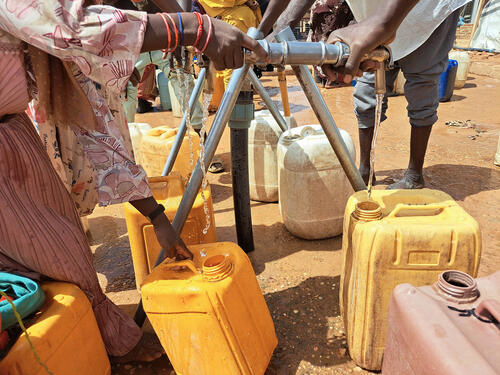
Clean water and sanitation services are necessities for good health.
After a flood, damaged infrastructure for sanitation and water services needs to be quickly fixed. At a new refugee camp, showers and latrines have to be built. And where waterborne diseases are endemic, safe sources for water must be identified.
Around the world, our teams are responding to disease outbreaks that result from unclean water and unsanitary living conditions. They’re also preventing these outbreaks from happening by providing communities with the water, sanitation, and hygiene services they need. Not only because people should be free from these diseases, but because clean water and sanitary living conditions are crucial for reinforcing people’s dignity.
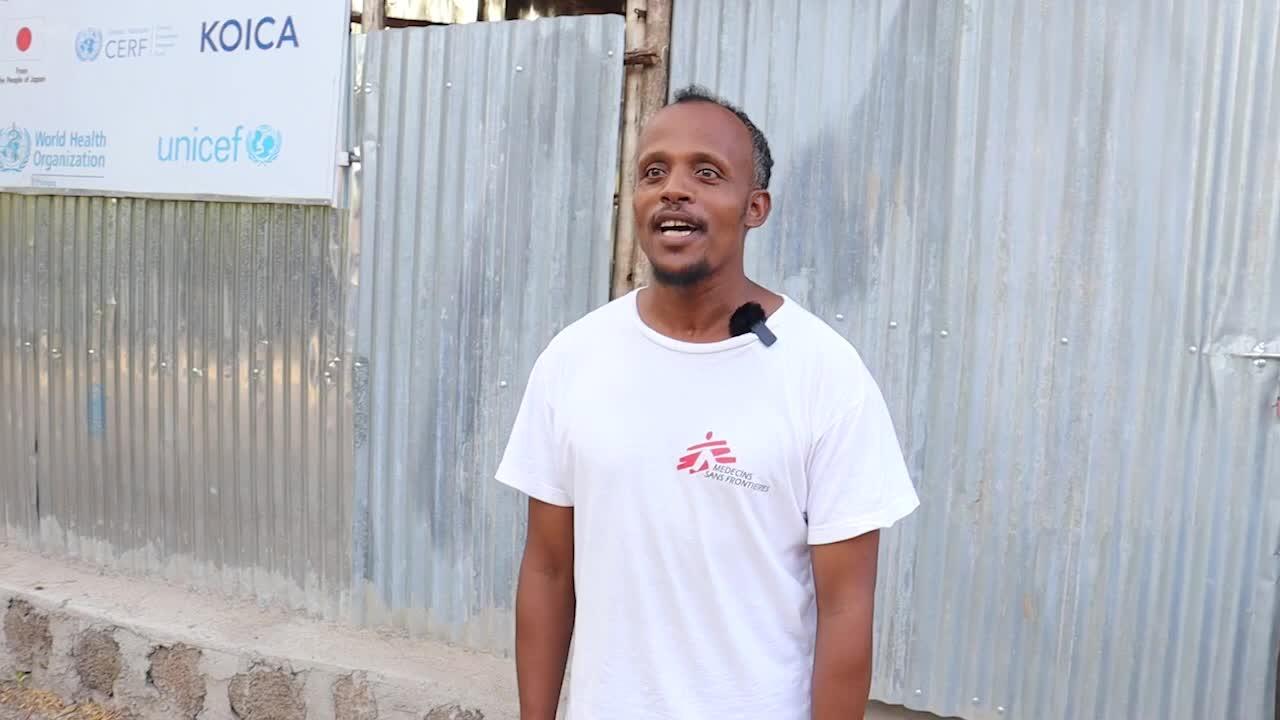
Video
Supplying clean water in Ethiopia

2.3B
2.3B
8,460
8,46
Featured
South Sudan
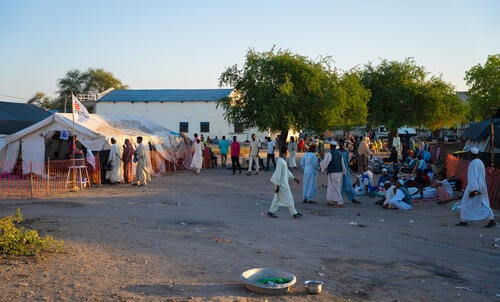
South Sudan receives thousands of displaced and injured people fleeing intensified war in Sudan
Press Release
20 Dec 2024

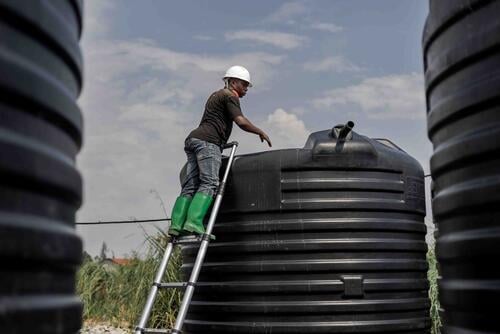
Democratic Republic of Congo
MSF again calls for urgent water and sanitation response in North Kivu displacement camps
Press Release
18 Nov 2024
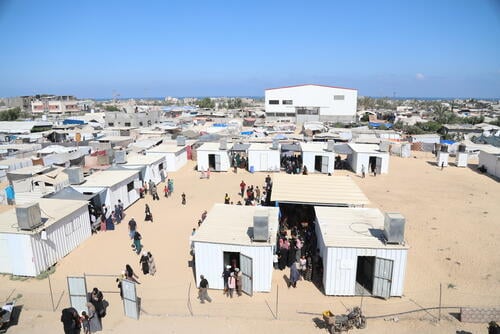
Gaza-Israel war
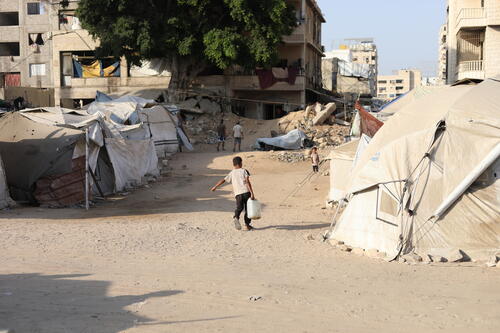
Displaced people struggle without sanitation services in Khan Younis, Gaza
Project Update
27 Aug 2024
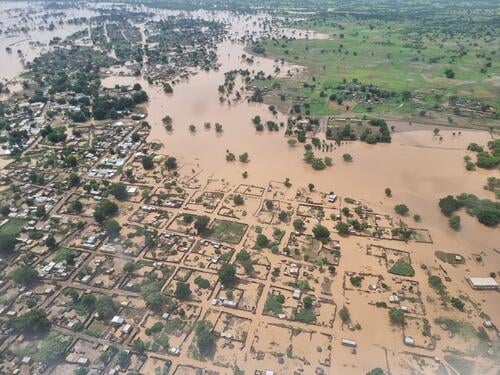
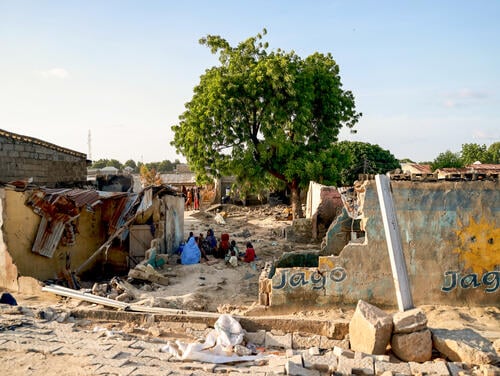
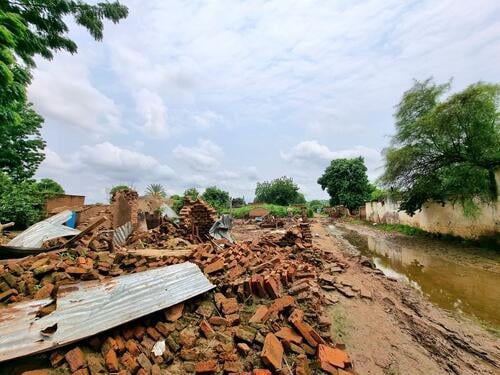
Chad
Rapid response needed in Koukou as thousands flee worst floods in living memory
Project Update
16 Aug 2024
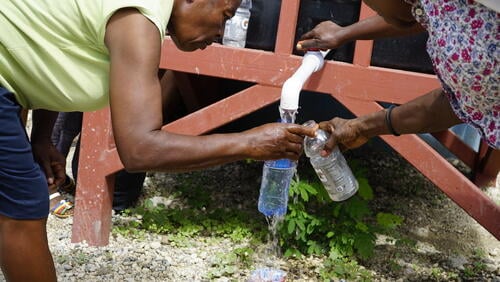
Haiti
People fleeing violence in Port-au-Prince urgently need water and sanitation
Project Update
15 Aug 2024