


Podcast: MSF and Srebrenica 1993-2003
This podcast series is adapted from the MSF in Srebrenica 1993-2003 case study. 5 episodes examine the speaking out constraints, questions, and dilemmas faced by MSF teams in Srebrenica. MSF was present in the enclave since the beginning of its siege by the Bosnian Serb forces in 1993 until it fell in July 1995. During the fall, thousands of Bosnian Muslims were massacred. These massacres were qualified by the International Criminal Tribunal for the former Yugoslavia as genocide in 2004.
This podcast is available on all podcast platforms.
Episode 1: Entering the Enclave
Even after the United Nations (UN) declared Srebrenica a ‘safe area’ in March 1993, the Muslim community trapped inside the city was living under constant shelling. MSF provided medical care while starting to question how much protection the UN could actually provide.
Photo credits: René Caravielhe/MSF
Episode 2: Prison Doctors
MSF was the only provider of medical care in Srebrenica as the violence intensified. MSF wondered if our role had become more like de facto prison doctors in the besieged city. Was MSF inadvertently contributing to the Bosnian Serbs' strategy of ethnic cleansing? Would calling for the evacuation of Bosnian Muslims actually result in aiding the Bosnian Serb’s ethnic cleansing policy of driving the people out and claiming the land? And what if Bosnian Muslims wanted to leave? What should the position of MSF have been?
Photo credits: © Rip Hopkins
Episode 3: The Fall of Srebrenica, the So Called "Safe Zone"
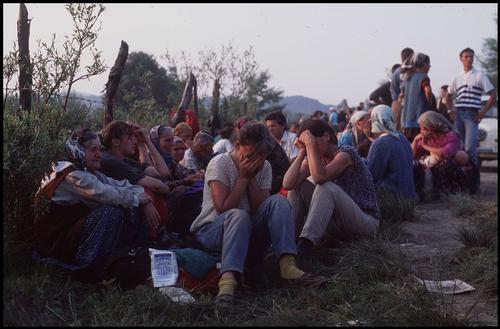
Srebrenica fell to the Bosnian Serbs in July 1995 and approximately 8,000 Bosnian Muslim men and boys were massacred. How could this happen in the presence of United Nations (UN) peacekeepers in this so-called ‘safe zone’? What mechanisms did MSF put in place to speak out over the UN’s inability to protect the people of Srebrenica?
Photo credits: © Olivier Jobard/MYOP
Episode 4: Peace Agreement Versus Justice
Following the fall of Srebrenica, thousands were dead, missing or relocated to refugee camps. MSF questioned what could be done to ensure that peace did not take precedence over justice. Where did the responsibility for these actions and inactions lie?
Photo credits: © Hans Ullens/MSF
Episode 5: Mechanisms and Expectations
Several nations were not taking responsibility for their (in)actions in the enclave. MSF France decided to put pressure on the French parliament to investigate France’s role in the fall of Srebrenica, by issuing an appeal for an investigative parliamentary commission. Should a humanitarian organisation speak out and advocate for official government inquiries in order to place responsibility, document events, seek justice and defend human rights?
Photo credits: © Generic MSF