



Ebola disease in DRC: find out how we're responding
Learn more
2094 Results
 
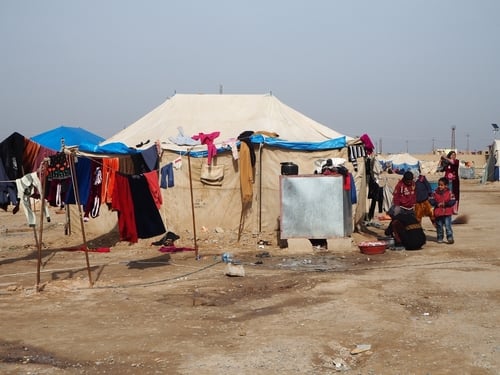
MSF teams in and around Mosul have received more than 1,800 patients in need of urgent or lifesaving care in the last two months. 1,500 of them needed treatment for conflict related trauma. As the scale of the non-trauma needs also became apparent, MSF opened maternity services in eastern Mosul at the beginning of February, and since then the teams have assisted 100 births and performed 80 C-sections.
Iraq

Thousands of wounded and sick coming from western Mosul

“The need for emergency medical care has risen drastically,” said Dr Isabelle Defourny, MSF director of operations. Press Release - 22 Mar 2017
 
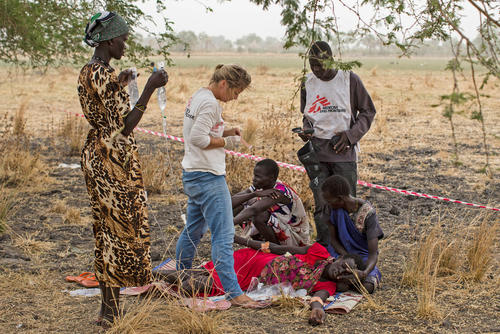
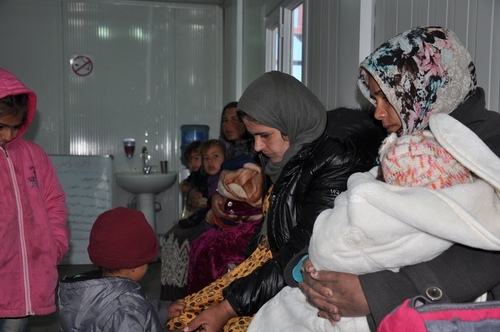
MSF has responded to the urgent medical needs of this displaced population by opening a field hospital with an inpatient, an outpatient and an emergency department in Aburoch, where up to 15,000 people have settled. Two mobile clinics are also operating south of Kodok where part of the displaced population has settled. Over the last two weeks, MSF is providing an average of 300 consultations a day, six times the number that was provided in Wau Shilluk where MSF used to run a hospital. PHOTOGRAPHER: Riaz Hussain on the 6th of March 2017
South Sudan

Urgent humanitarian assistance needed for thousands of people who fled fighting in Wau Shilluk

“The humanitarian needs of those that fled are vast and are not being met,” says Abdalla Hussein Abdalla, MSF’s deputy head of mission for South Sudan. Crisis Update - 15 Mar 2017
 
For the last two years, Francis Ronyo has worked as a nurse in MSF’s Wau Shilluk hospital. He was one of the national staff on duty when the decision was taken to evacuate and leave for Kodok. Since he arrived in Kodok, he doesn’t have a place to stay and ends up sleeping in the open with the rest of the people from Wau Shilluk. He however decided to continue serving the sick and the wounded in any way he could and is now  providing medical are in the MSF clinic in Aburoch
South Sudan

“My future is unclear, and I don't know what will happen to all of us from Wau Shilluk.”

Francis Ronyo worked as a nurse in MSF’s Wau Shilluk hospital for two years. He was one of the national staff on duty when the order was given to evacuate and leave for Kodok. Voices from the Field - 15 Mar 2017
 
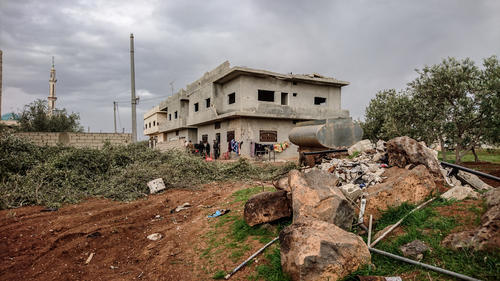
People walk down a street in Bustan Al Kasr neighbourhood after it was hit by airstrikes in mid-October 2016.
Syria

Warring groups must allow aid to population in need

MSF reiterates its call to warring groups to allow access to Syria so that victims of the war can receive medical assistance. Statement - 14 Mar 2017
 
In the picture, a man who suffered a mine explosion is being treated for his wounds by an MSF doctor.
Syria

No eyes on the ground

In its 45-year history, MSF has used its presence in the field and its proximity to patients to bear witness and bring the plight of populations affected by disease, natural disasters and conflicts to the world’s attention. Project Update - 13 Mar 2017
 
Heavy damaged sustained by al-Bayan hospital in July
Syria

Changes in medical practice in Syria

This report seeks to detail some of the ways in which the provision of medical care has been compromised or forced to adapt in light of security threats. Report - 13 Mar 2017
 
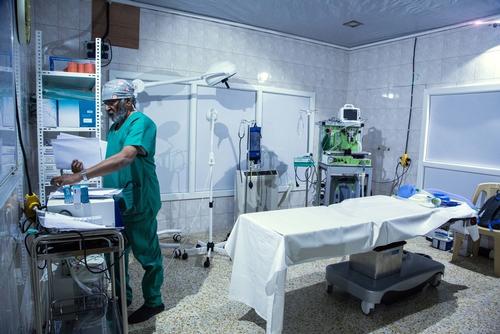
MSF surgical team while finishing an operation in MSF supported hospital,  the General Rural Hospital of Thi As Sufal District, Ibb governorate.
Yemen

A year of life-saving activities in Ibb

“Since the beginning of the war, medical needs in the country have exploded,” says Satoru Ida, MSF head of mission in Yemen. Press Release - 9 Mar 2017
 
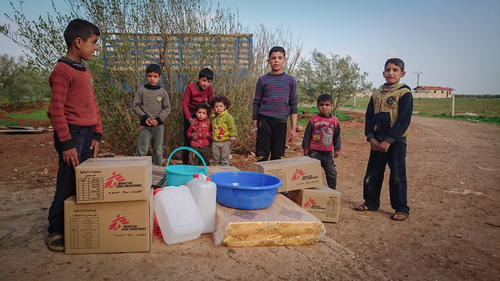
Clashes have intensified over the last months in Al Bab area of Aleppo governorate. Some of the areas that were previously under the control of Islamic State (IS) host today a range of people that goes from locals who were working in places like Aleppo city but came back to their homes because of the conflict or internally displaced people coming from different areas of Al Bab. MSF is providing primary healthcare in some locations. The average of patients arriving to one of the health centers is more than 100 a day. 

In the picture, patients walk through a corridor.
Syria

Bringing aid close to the frontline

An overview of the work of Médecins Sans Frontières (MSF) in Aleppo governorate, in the north of Syria, and the situation the population is faced with. Photo Story - 8 Mar 2017
 
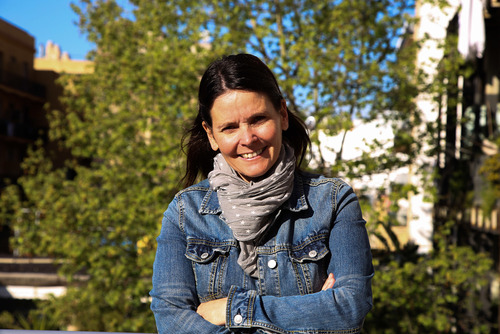
Sara Ferrer, a nurse practitioner, has worked for almost ten years for Doctors Without Borders/Médecins Sans Frontières (MSF). She began her career in the Democratic Republic of Congo, "a real training camp". There, sudden outbreaks of diseases such as measles, cholera, or meningitis require rapid emergency mobilization. After a professional tour including several African countries and also Yemen, Ferrer is currently coordinator of the medical projects MSF has in areas of Aleppo governorate in northern Syria.
Syria

The war has left tens of thousands of children unvaccinated

Sara Ferrer, a nurse who is coordinating the medical projects of Médecins Sans Frontières (MSF) in areas of Aleppo governorate, explains the risks. Voices from the Field - 8 Mar 2017
 
Obstetrician-Gynaecologist and Medical Advisor for women's health in MSF Australia's Medical Unit (OCP).
Afghanistan

Reducing risks for pregnant women

For International Women’s Day 2017, MSF puts the spotlight on pregnancy and childbirth in Afghanistan, one of the world’s most dangerous countries to give birth in. Voices from the Field - 6 Mar 2017
Four mothers posing in a corridor of the Hospital in Bili. All four of them are staying in the hospital with their child, that's suffering from a severe case of malaria. Since the beginning of the project in 2016, the pediatric ward already treated more than 4.000 cases of complicated/severe form of malaria.
Médecins Sans Frontières (MSF)

Independent medical humanitarian assistance

We provide medical assistance to people affected by conflict, epidemics, disasters, or exclusion from healthcare. Our teams are made up of tens of thousands of health professionals, logistic and administrative staff - most of them hired locally. Our actions are guided by medical ethics and the principles of independence and impartiality. We are a non-profit, self-governed, member-based organisation.

Learn more