



Ebola disease in DRC: find out how we're responding
Learn more
8003 Results
 
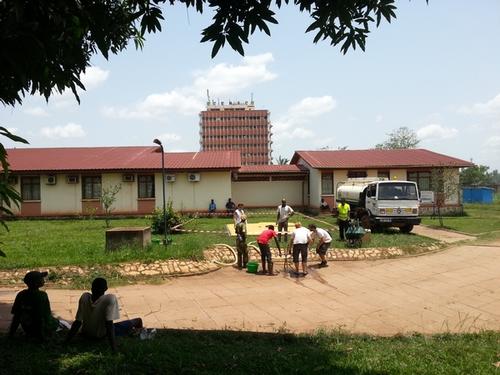
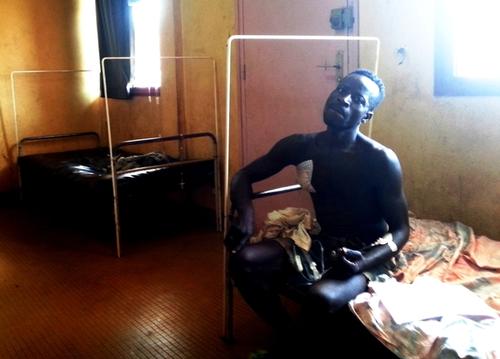
As the opposition group Seleka took power in CAR in March 2013, MSF teams support surgery activities at the community hospital in Bangui where victims of violence receive medical treatment. OCP, OCA and OCBA and present in the country.
Central African Republic

We urgently need to help the sick and wounded

Interview with Serge Saint Louis, MSF head of mission in Bangui. Project Update - 28 Mar 2013
 
As the opposition group Seleka took power in CAR in March 2013, MSF teams support surgery activities at the community hospital in Bangui where victims of violence receive medical treatment. OCP, OCA and OCBA and present in the country.
Central African Republic

Insecurity, lootings and lack of water and electricity are the main concerns

Sylvain Groulx, MSF coordinator in Central African Republican, talks about the situation in Bangui, almost a week after the Séleka opposition group took the capital, and the consequences that the fighting and looting might have on the population of the country, -many of them still hiding in the bush- with the rainy season looming. Project Update - 28 Mar 2013
 
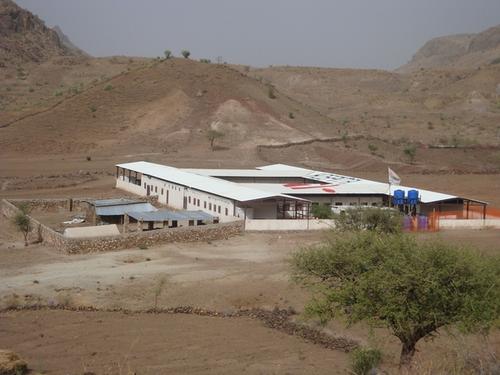
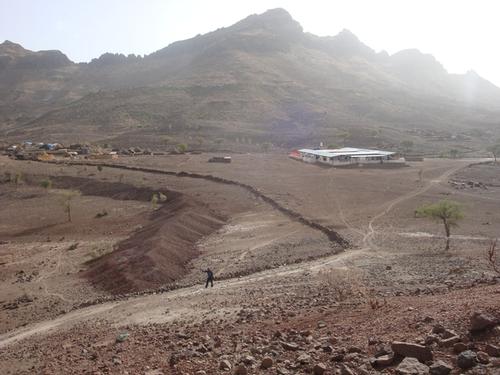
MSF began providing medical assistance in the Jebel Si in 2005 through a
health post and in 2008 began running a rural hospital in Kaguro and five
health posts. These are the only health facilities in this area, and serve
a permanent population of approximately 100,000 people, as well as about
10,000 seasonal nomads all of whom are entirely dependent on MSF for
healthcare and emergency assistance.

As a result of the growing obstacles encountered over the last year due to
restrictions by the authorities, MSF has been forced to suspend most of its
medical activities in the region of Jebel Si , in North
Darfur State, Sudan. As MSF is the sole health provider in the region,
thousands of people are left without access to essential healthcare.
Sudan

MSF treats wounded after fighting in North Darfur

Project Update - 26 Mar 2013
 
MSF began providing medical assistance in the Jebel Si in 2005 through a
health post and in 2008 began running a rural hospital in Kaguro and five
health posts. These are the only health facilities in this area, and serve
a permanent population of approximately 100,000 people, as well as about
10,000 seasonal nomads all of whom are entirely dependent on MSF for
healthcare and emergency assistance.

As a result of the growing obstacles encountered over the last year due to
restrictions by the authorities, MSF has been forced to suspend most of its
medical activities in the region of Jebel Si, in North
Darfur State, Sudan. As MSF is the sole health provider in the region,
thousands of people are left without access to essential healthcare.
Project Update

After a decade of conflict, there are still medical needs

Voices from the Field - 26 Mar 2013
 
As the opposition group Seleka took power in CAR in March 2013, MSF teams support surgery activities at the community hospital in Bangui where victims of violence receive medical treatment. OCP, OCA and OCBA and present in the country.
Central African Republic

Patients cut off from healthcare in Bangui

Press Release - 25 Mar 2013
 
msf-placeholder
Bahrain

Medical ethics conference cancelled

Press Release - 24 Mar 2013
 
msf-placeholder

Gallery: DR-TB treatment in Kyrgyzstan

Gallery: Treatment for Drug-Resistant TB in Kyrgyzstan Photo Story - 22 Mar 2013
 
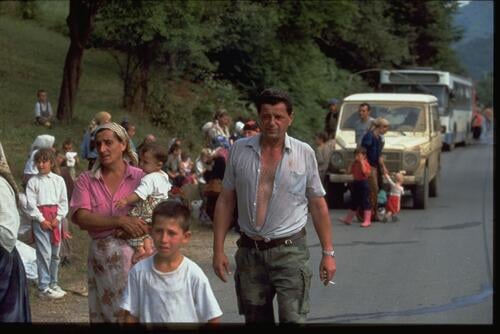
Thousands of civilians flee the bombing of Srebrenica, 6000 people were reported missing, Bosnia 1995
Website

Speaking Out

We raise awareness and create debate about crises through our policy of 'témoignage’ (bearing witness). In MSF, this means a willingness to speak on behalf of the people we seek to help: to bring abuses and intolerable situations to public attention. Through case studies, we openly examine and analyse our actions and decision-making processes during humanitarian emergencies that have led us to speak out. msf.org/speakingout
 
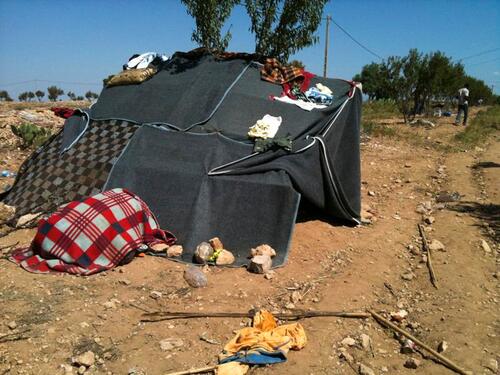
Between August 19 and September 10 2010, Police incursions took place in many different cities in Morocco (Oujda, Al-Hoceima, Nador, Tanger, Rabat, Casablanca, Fez). In many of these raids police forces have used bulldozers and ,in Oujda even helicopters, destroying migrantsÕ tents and houses. 
<br/>
It is estimated that during these raids between 600-700 migrants were arrested and taken to the border between Morocco and Algeria. There, migrants were left alone to fend for themselves, without food or water. Many of them were women with children, pregnant women and migrants with injuries, directly or indirectly related to police raids, and medical problems. 
<br/>
During these last weeks, MSF teams have seen an alarming increase in patients with medical problems related to incidents of violence. Out of the 186 patients that have received medical care from MSF, 103 had lesions and injuries directly or indirectly linked to the violence during the arrests.
Refugees, IDPs and people on the move

Violence, Vulnerability and Migration: Trapped at the Gates of Europe

A report on the situation of sub-Saharan migrants in an irregular situation in Morocco. Report - 13 Mar 2013
Four mothers posing in a corridor of the Hospital in Bili. All four of them are staying in the hospital with their child, that's suffering from a severe case of malaria. Since the beginning of the project in 2016, the pediatric ward already treated more than 4.000 cases of complicated/severe form of malaria.
Médecins Sans Frontières (MSF)

Independent medical humanitarian assistance

We provide medical assistance to people affected by conflict, epidemics, disasters, or exclusion from healthcare. Our teams are made up of tens of thousands of health professionals, logistic and administrative staff - most of them hired locally. Our actions are guided by medical ethics and the principles of independence and impartiality. We are a non-profit, self-governed, member-based organisation.

Learn more