




Ebola disease in DRC: find out how we're responding
Learn more
8009 Results
 
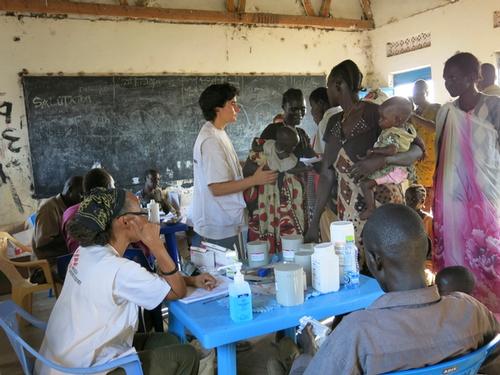
MSF has set up a clinic in the local school in Awerial, providing basic primary healthcare to the displaced population who are mostly women and children.
Haiti

Health needs reach emergency levels as fighting hinders aid response

Health needs in war-torn South Sudan reach emergency levels, says MSF Press Release - 6 Jan 2014
Kala azar

Five-Year Field Results and Long-Term Effectiveness of 20 mg/kg Liposomal Amphotericin B (Ambisome) for Visceral Leishmaniasis in Bihar, India

MSF kala azar treatment project in Bihar using 20 mg/Kg intravenous liposomal amphotericin B. Journal article - 2 Jan 2014
 
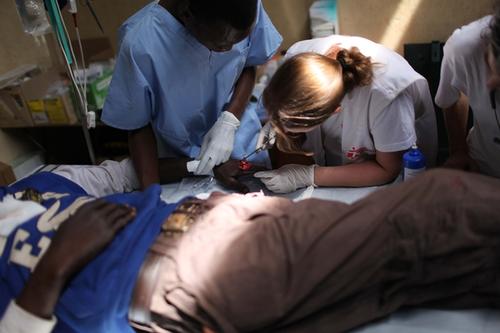
Silvia Dallatomasina, Italian emergency doctor operates the hand of a wounded man.

MSF is treating the most severe cases and providing emergency referrals to other structures at the Bangui airport. MSF has on average been carrying out 500 consultations, performed 100 dressings, and assisted 7 deliveries at the airport each day. MSF is the only medical provider at the camp, where 100,000 displaced people have sought shelter.
Central African Republic

MSF drastically reduces medical activities at Bangui airport following two days of violence

MSF has drastically reduced its medical activities in Bangui airport following two days of shooting close to MSF’s clinic. Project Update - 2 Jan 2014
 
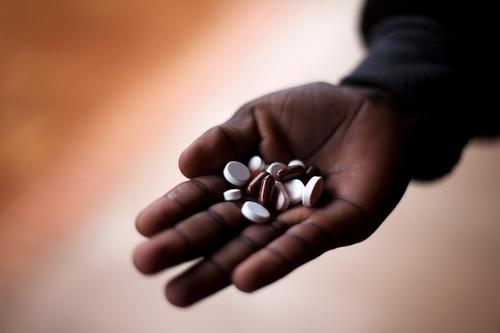
A close-up photo shows pills in the hand of an MDR TB patient taking his Direct Observation Treatment Short Course (DOTs) medication at the Nhlangano TB Ward supported by MSF .
Tuberculosis

Principles for designing future regimens for multidrug-resistant tuberculosis

After 50 years without any new TB drugs, two new medicines have finally been approved to treat the most severe drug-resistant strains of TB. Journal article - 1 Jan 2014
 
Displaced in the UN compound.

In the country’s capital Juba, two emergency teams comprised of medics, logistics staff and water treatment specialists have begun providing medical care for the more than 20,000 people displaced by the recent fighting.
South Sudan

More aid needed for 70,000 people living in catastrophic conditions

Tens of thousands of South Sudanese have arrived in Awerial, in Lakes state, after fleeing violence in Bor. Project Update - 30 Dec 2013
 
Janel Corate.
Philippines

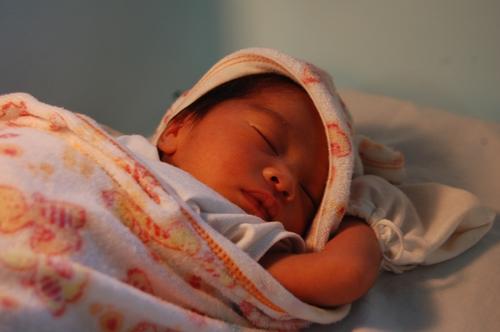
Premature baby goes home on Christmas Day

Voices from the Field - 30 Dec 2013
 
msf-placeholder
Central African Republic

Civilians and hospitals affected by extreme violence in Bangui

MSF reiterates its call for the respect of civilians, medical staff and health facilities. Press Release - 30 Dec 2013
 
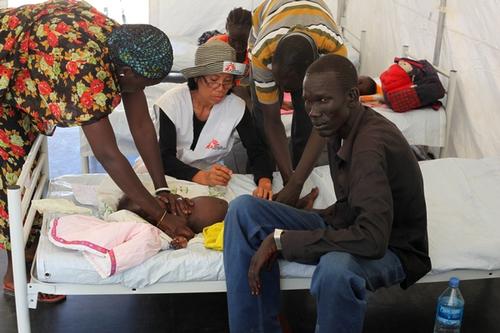
MSF doctor Christine Mimansha checks on a young patient in observation.

Two MSF emergency teams comprised of medics, logistics staff and water treatment specialists are running medical activities for people displaced by the recent fighting in Juba, the capital of South Sudan. An estimated 35,000 people fled to two UN compounds and to other gathering points around the city, seeking refuge from the intense fighting that erupted in Juba. After conducting an independent assessment of the needs, two MSF teams are working to address the medical needs of the displaced. "A few patients have direct violence wounds, such as gunshots, but the situation has calmed now in Juba and trauma medicine no longer seems to be the main need," says Forbes Sharp, MSF Emergency Coordinator in Juba. "The displaced people do not yet feel safe to return to their homes and they are unwilling to cross town to seek healthcare in regular hospitals and clinics. So we are taking healthcare to them."
South Sudan

These people need assistance, more than ever

Christine Bimansha, a medical doctor from Congo, is one of MSF’s experienced emergency staff in South Sudan. She is currently working with the MSF team in the capital Juba, providing medical care in two UN (UNMISS) bases where 35,000 people have sought safety following a wave of violence. Voices from the Field - 29 Dec 2013
 
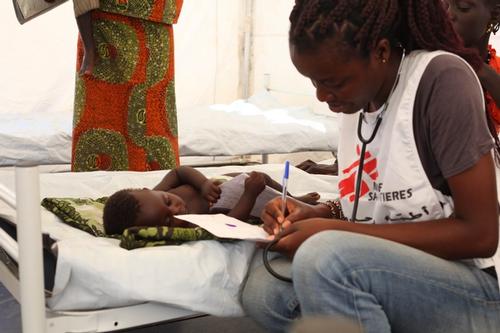
MSF nurse Carmelita gives an injection to treat a young patient with malaria.

Two MSF emergency teams comprised of medics, logistics staff and water treatment specialists are running medical activities for people displaced by the recent fighting in Juba, the capital of South Sudan. An estimated 35,000 people fled to two UN compounds and to other gathering points around the city, seeking refuge from the intense fighting that erupted in Juba. After conducting an independent assessment of the needs, two MSF teams are working to address the medical needs of the displaced. "A few patients have direct violence wounds, such as gunshots, but the situation has calmed now in Juba and trauma medicine no longer seems to be the main need," says Forbes Sharp, MSF Emergency Coordinator in Juba. "The displaced people do not yet feel safe to return to their homes and they are unwilling to cross town to seek healthcare in regular hospitals and clinics. So we are taking healthcare to them."
South Sudan

MSF teams treat people affected by violence in Malakal and Lankien

As clashes continue in South Sudan, MSF calls on all actors to respect the right to medical assistance Project Update - 27 Dec 2013
 
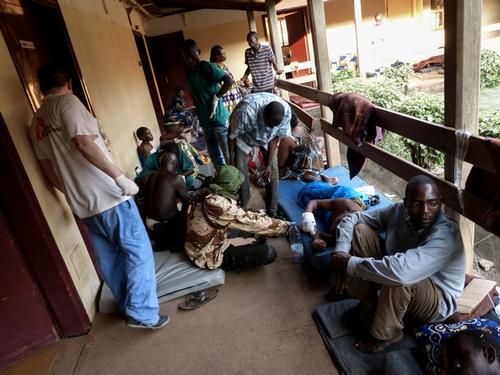
The hospital corridors, overflowing with patients.

Injured flock to the community hospital in Bangui. In one day, approximately hundred patients are treated by MSF teams. The most serious cases are taken to the operating block that MSF had rehabilitated the previous week. A second block will be functional quickly. The following day, the wounded continued to arrive, and MSF increased hospital capacity in the hospital by setting up tents.
Central African Republic

Almost 200 more wounded following renewed violence in Bangui

Thousands more displaced Project Update - 24 Dec 2013
Four mothers posing in a corridor of the Hospital in Bili. All four of them are staying in the hospital with their child, that's suffering from a severe case of malaria. Since the beginning of the project in 2016, the pediatric ward already treated more than 4.000 cases of complicated/severe form of malaria.
Médecins Sans Frontières (MSF)

Independent medical humanitarian assistance

We provide medical assistance to people affected by conflict, epidemics, disasters, or exclusion from healthcare. Our teams are made up of tens of thousands of health professionals, logistic and administrative staff - most of them hired locally. Our actions are guided by medical ethics and the principles of independence and impartiality. We are a non-profit, self-governed, member-based organisation.

Learn more