



Ebola disease in DRC: find out how we're responding
Learn more
8007 Results
 
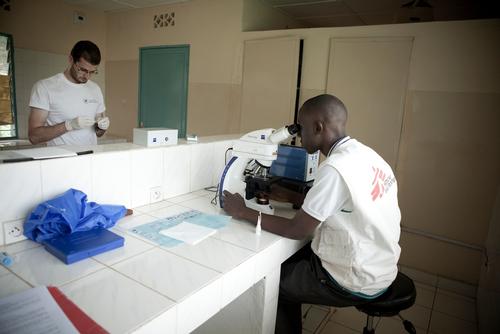
The biologists analyse the blood using 4 different techniques (1 microscope, 2 TDR and 1 dry blood test) for operational research on mother-to-child transmission of malaria. Kirundo hospital, Burundi
HIV/AIDS

Outcomes of antiretroviral therapy over a 10-year period of expansion: a multicohort analysis of African and Asian HIV programmes

Outcomes of antiretroviral therapy over a 10-year period of expansion. Journal article - 1 Jul 2014
 
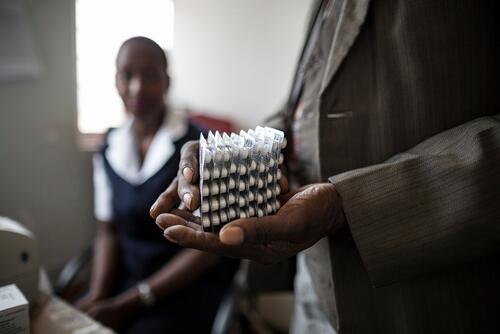
A Hiv positive patient is given a month worth of medication at the Thyolo District hospital for routine antiretroviral consultation on November 26, 2014. Massively hit by the Hiv virus, the Thyolo district was introduced to ARV in 2003 with more than 57.000 patients, 38.000 of them are still alive and on monitored therapy. ARV consists of the combination of at least three antiretroviral (ARV) drugs to maximally suppress the HIV virus and stop the progression of HIV disease.
It's now thirty years since the discover of the virus who caused the death of millions of people worldwide. According to Dr Eric Goemaere, MSF’s HIV referent, "The progresses made in the fight against HIV in just thirty years are remarkable: putting 13.6 million people on lifelong treatment, most of them in resource-poor countries, and keeping them on treatment for life on treatment is an overwhelming task, at a scale never achieved by public  services before." AFP PHOTO/MARCO LONGARI
About MSF

Over a decade of operational research in MSF: From luxury to necessity?

First published in the International Activity Report 2014 Report - 1 Jul 2014
 
Siyabulela Qwaka is the fourth patient cured of drug resistant TB in MSF’s project in Khayelitsha, South Africa. His story is an inspiration for patients currently fighting the new form of tuberculosis against which existing drugs are of limited effectiveness.
Tuberculosis

More MSF patients with DR-TB gain access to dramatically cheaper version of life-saving drug

South African authorities allow importation of successful drug to combat TB Press Release - 1 Jul 2014
 
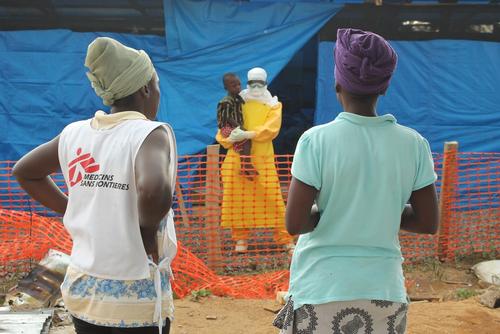
Helena gets a chance to talk to her son Moses who is an Ebola confirmed patient. A MSF health promoter supports this difficult moment for the young mother as she is too overwhelmed with what to say. The health promoter advises her to say positive things such as „I am waiting here outside for you“ or „I am thinking of you non Stop“
Ebola and haemorrhagic fevers

Surviving Ebola

First published in the International Activity Report 2014 Report - 1 Jul 2014
 
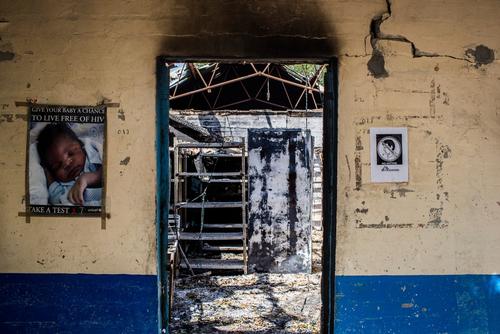
Health promotion posters flank the entrance to the incinerated remains of the emergency room at the MSF hospital in Leer, South Sudan, February 23, 2014.  The hospital was thoroughly looted, burned, ransacked, and effectively destroyed, along with most of Leer, sometime between the final days of January and early February, 2014, leaving hundreds of thousands of people cut off from critical, lifesaving medical care. The hospital, opened by MSF 25 years ago, was the only secondary health care facility in Unity State.
South Sudan

“When I walk past the burned parts of the hospital, I try not to look”

MSF project coordinator Sarah Maynard describes the devastation she witnessed at MSF’s hospital in Leer Voices from the Field - 1 Jul 2014
 
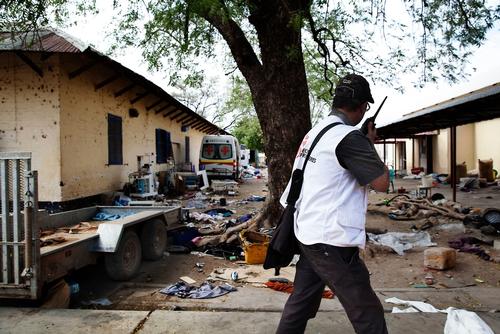
The South Sudanese key strategic town of Malakal came under attack on February 18. The clashes between government and opposition forces forced thousands of people to flee to other locations or to the UN compound in the town. The Malakal Teaching hospital was attacked by armed men. Upon their return to the hospital, MSF teams found eleven bodies. Some patients had been shot in their beds.
South Sudan

Pervasive violence against healthcare

Violence and destruction of medical facilities are denying medical services to the most vulnerable people Press Release - 1 Jul 2014
 
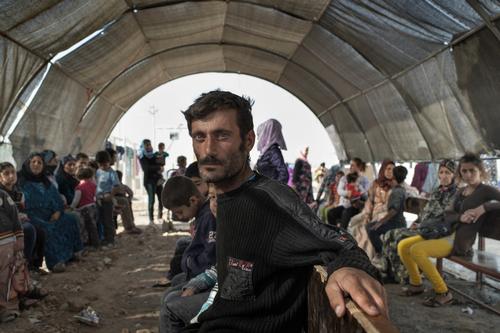
Patients  at the MSF health clinic in the Domiz refugee camp in northeast Iraq, November 6, 2013. The clinic provides primary health services to the camp's approximately 60,000 refugees from Syria. 


Domiz Refugee Camp was established by local authorities back on in April 2012 to host the Syrian Kurds. The camp located 20 kms southeast of Dohuk city, in Iraqi Kurdistan and some 60 km from Syria/Iraq border.    So far the total number of Syrian refugees in Kurdistan region is 60,151.
Central African Republic

A Year in Focus 2013-2014

A Year in Focus 2013-2014 Project Update - 30 Jun 2014
 
msf-placeholder
Central African Republic

Personal accounts from MSF staff in CAR

Personal accounts from MSF staff in CAR, filmed end of February to early March 2014. Project Update - 30 Jun 2014
 
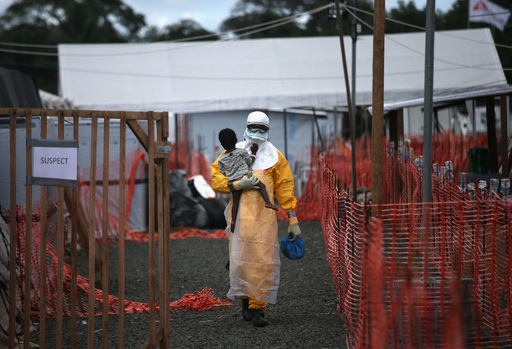
PAYNESVILLE, LIBERIA - OCTOBER 05:  A Doctors Without Borders (MSF), health worker in protective clothing carries a child suspected of having Ebola in the MSF treatment center on October 5, 2014 in Paynesville, Liberia. The girl and her mother, showing symptoms of the deadly disease, were awaiting test results for the virus. The Ebola epidemic has killed more than 3,400 people in West Africa, according to the World Health Organization.  (Photo by John Moore/Getty Images)

International Financial Report 2014

Annual Report - 30 Jun 2014
 
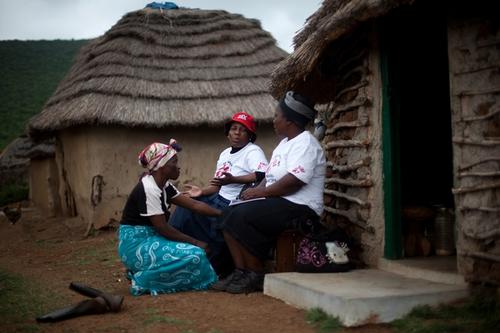
MSF Patient Support Education and Counselling (PSEC) Community Supervisor, Sylvia Khuzwayo with Community Expert Client, Busi Gumbi and HIV patient.
Eswatini

Treating HIV and TB in Swaziland: “We didn’t know what to expect”

An interview with Elias Pavlopoulos, outgoing Head of Mission for MSF in Swaziland Voices from the Field - 30 Jun 2014
Four mothers posing in a corridor of the Hospital in Bili. All four of them are staying in the hospital with their child, that's suffering from a severe case of malaria. Since the beginning of the project in 2016, the pediatric ward already treated more than 4.000 cases of complicated/severe form of malaria.
Médecins Sans Frontières (MSF)

Independent medical humanitarian assistance

We provide medical assistance to people affected by conflict, epidemics, disasters, or exclusion from healthcare. Our teams are made up of tens of thousands of health professionals, logistic and administrative staff - most of them hired locally. Our actions are guided by medical ethics and the principles of independence and impartiality. We are a non-profit, self-governed, member-based organisation.

Learn more