



Ebola disease in DRC: find out how we're responding
Learn more
8007 Results
 
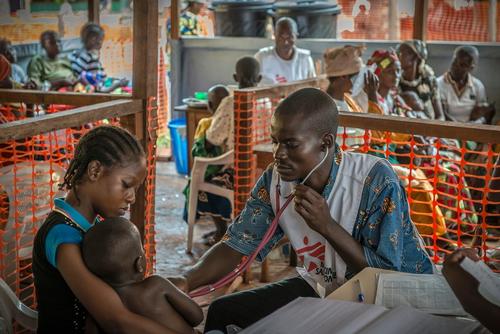
Mother & Child at MSF Outpatient consultation in Berberati Regional University Hospital
Central African Republic

Health chaos in Central African Republic

Since December 2013, CAR has been torn apart by a conflict with increasingly religious overtones. Project Update - 7 Jul 2014
 
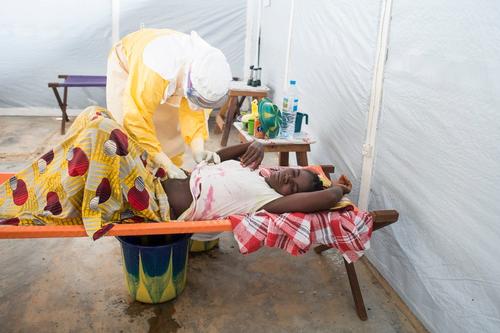
Following a phone call, an MSF team goes to the home of Finda Marie Kamano, age 33. She reported extreme weakness, vomiting, and dysentery.  These symptoms, along with fever and nosebleeds, are typical of those caused by the Ebola virus.  Wearing a protective suit, a doctor checks Finda, who complains of severe stomach pain.
Ebola and haemorrhagic fevers

MSF activities in Ebola outbreak

A summary of the situation in west Africa, in the midst of an Ebola outbreak Project Update - 7 Jul 2014
 
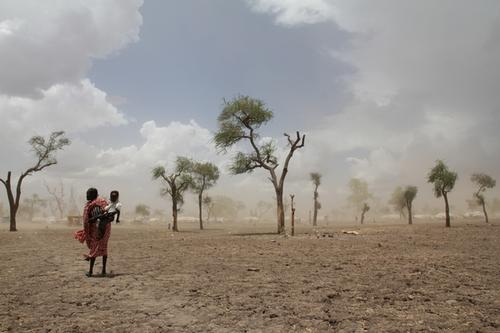
The landscape in Maban, South sudan is very rough, hot, barren and unforgiving. Few people normally live here but now the area contains tens of thousands refugees.
War and conflict

Where is everyone?

A report examining the limitations and deficiencies of the international aid response to crisis. Report - 6 Jul 2014
 
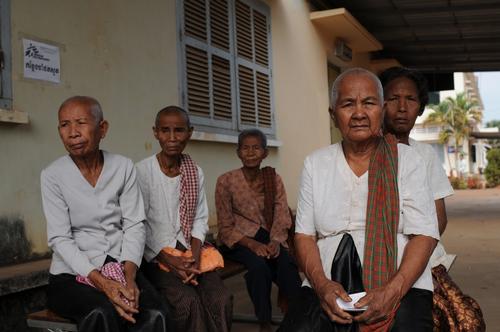
Women waiting to have a chest X-ray as part of the MSF Active Case Finding TB programme, Tboung Khmum, Cambodia
Cambodia

Cambodia wasn’t initially on Helen Tindall’s radar ...

MSF's nurse manager describes the challenges in tackling TB Voices from the Field - 4 Jul 2014
 
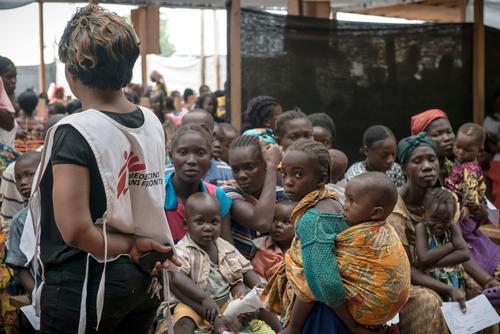
MSF staff with patients at MSF health post in Mpoko IDP camp at Bangui International Airport
Central African Republic

Interview with MSF's head of mission, Stefano Argenziano

Central African Republic: Interview with MSF's head of mission, Stefano Argenziano Voices from the Field - 4 Jul 2014
 
msf-placeholder
South Sudan

Medical Care Under Fire in South Sudan

Video: Medical Care Under Fire in South Sudan Project Update - 4 Jul 2014
 
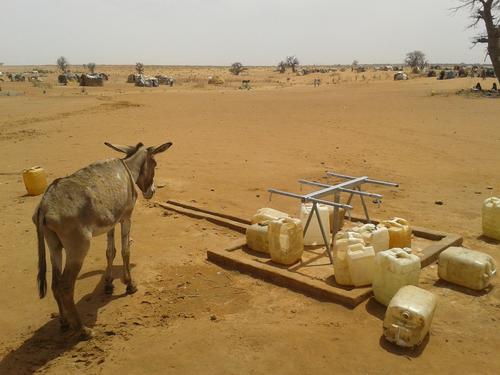
El Sereif camp, near the South Darfur State capital Nyala, saw an influx of newly displaced people in March and April, fleeing conflict and the total destruction of their villages in areas to the southwest of Nyala. The MSF medical team that had been working in the camp since August 2013 was already responding to the health consequences of poor living conditions. While some of the new arrivals have now left the camp, the 4,500 that have stayed are in particularly terrible conditions, sheltering on a patch of desert with almost none of the basics essentials to sustain life. Before the new influx, camp residents were surviving on less than five litres of water per person per day when the recognized minimum for emergencies is 15 litres – and the new arrivals have access to even less water, not enough to adequately sustain human life.
Sudan

Extremely poor living conditions in Darfur camp

Refugees have barely even essential items to survive Press Release - 2 Jul 2014
 
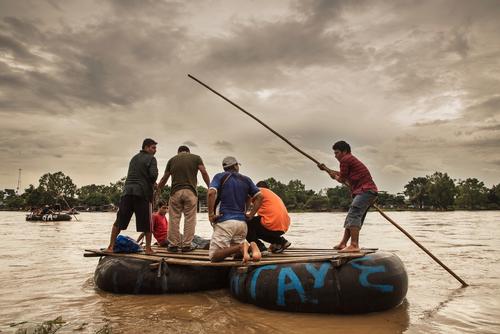
The Suchiate river, on the border between Mexico and Guatemala. The Central American migrants cross this pass ('El Paso del Coyote') on small boats. It's the beginning of their journey through Mexico.
Mexico

58 per cent of migrants treated by MSF suffered violence

58 per cent of Central American migrants treated by MSF suffered violence Press Release - 2 Jul 2014
 
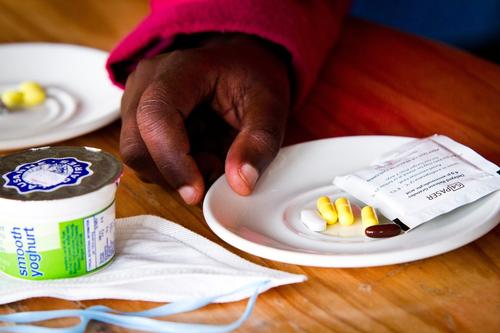
Phumeza Tisile, 23 years, takes her last tablets for XDR-TB at Lizo Nobanda TB Care Centre, Khayelitsha, South Africa on August 16, 2013. During her two year treatment for XDR-TB, Phumeza took over 20,000 pills and had over 200 injections.
Tuberculosis

Linezolid Fact Sheet

A fact sheet on Linezolid. Report - 1 Jul 2014
 
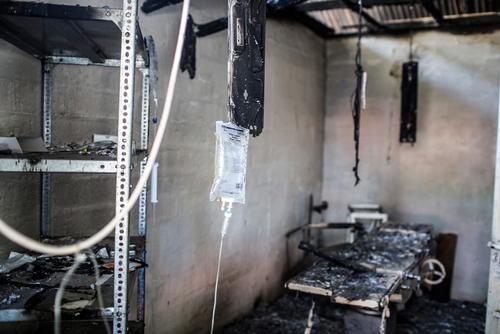
A burned and destroyed minor surgical ward at the MSF hospital in Leer, South Sudan, is viewed February 23, 2014.  The hospital was thoroughly looted, burned, ransacked, and effectively destroyed, along with most of Leer, sometime between the final days of January and early February, 2014, leaving hundreds of thousands of people cut off from critical, lifesaving medical care. The hospital, opened by MSF 25 years ago, was the only secondary health care facility in Unity State.
South Sudan

South Sudan conflict: violence against healthcare

Violence in hospitals and the destruction of medical facilities deny medical services to many of South Sudan's most vulnerable people. MSF releases a report, "South Sudan Conflict: Violence Against Healthcare", looking at attacks on healthcare in the first six months since civil war broke out in December 2013. Report - 1 Jul 2014
Four mothers posing in a corridor of the Hospital in Bili. All four of them are staying in the hospital with their child, that's suffering from a severe case of malaria. Since the beginning of the project in 2016, the pediatric ward already treated more than 4.000 cases of complicated/severe form of malaria.
Médecins Sans Frontières (MSF)

Independent medical humanitarian assistance

We provide medical assistance to people affected by conflict, epidemics, disasters, or exclusion from healthcare. Our teams are made up of tens of thousands of health professionals, logistic and administrative staff - most of them hired locally. Our actions are guided by medical ethics and the principles of independence and impartiality. We are a non-profit, self-governed, member-based organisation.

Learn more