


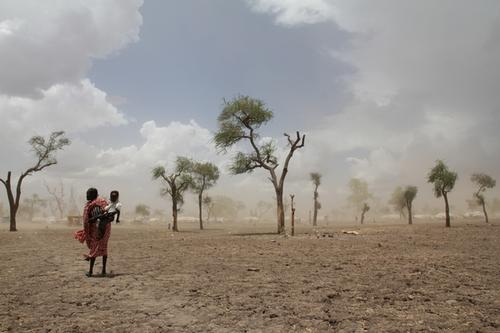
Responding to emergencies in the most difficult places.
Why this report?
Working at the frontline of delivering humanitarian aid, we at Médecins Sans Frontières (MSF) are acutely aware of the limitations and deficiencies of the international aid response to crises. Some good work is taking place, and lives are being saved, but much more can, and should be done, to reach those people most in need.
In 2016 the World Humanitarian Summit will bring together global experts in aid to consider the structure and funding of humanitarian work in the future.
In advance of this important meeting, MSF is publishing Where is everyone?, a report which diagnoses some of the key issues inherent in the international response to humanitarian crises.
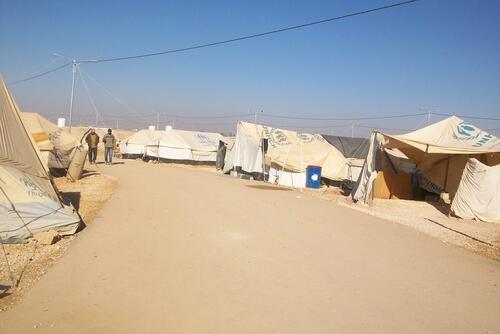
Emergency response
This report is the result of an extensive literature review and 136 interviews with humanitarians from the UN, NGO and academic world over the past two years.
It is a qualitative report, drawing on relevant quantative data where it is available. Read more about the report's methodology and a summary of evaluations we drew on.
Three in-depth case studies from South Sudan, DRC and Jordan are analysed which identify a number of key findings in relation to the performance of the humanitarian system in responding to all three displacement emergencies examined.
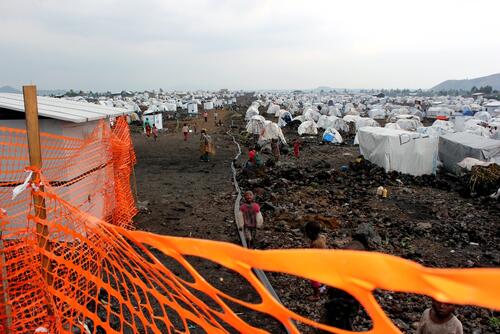
Shortcomings in the humanitarian system
The report makes uncomfortable reading for those of us involved in the aid system. It has highlighted areas in our own emergency response which need improving, findings supported by several internal evaluations undertaken of our own work in Maban and Yida recently, executive summaries of which can be found via the links.
It also highlights shortcomings with the response on the side of the humanitarian system as a whole.
Yet we feel it is important to be honest within the sector about the reality of work on the ground in areas and with populations who are difficult to reach but who are in great need.
Debate
We intend this paper to start a real discussion with our colleagues in the aid community – within MSF, with other NGOs, with the UN and with donors, to make us all improve how we respond.
We are organising meetings – public and private – around the world to put these issues on the table, and we encourage others to get involved in the debate.
We will continue to monitor and evaluate responses to current crises, our own and the aid community more generally, and will continue to share the results.
Find out more
If you are interested in this topic, there is a wealth of wider reading available including reflections from within MSF on its relation with the aid sector, including MSF and the Aid System: Choosing not to choose and Less is more: the case for a purely humanitarian response to emergencies.
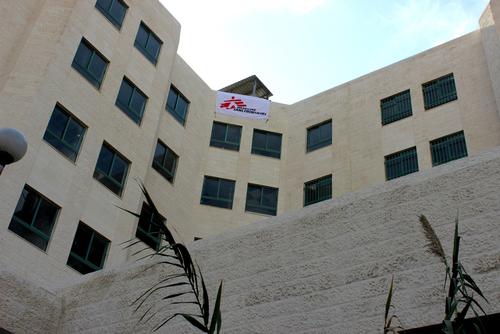
Jordan
New home for MSF specialised reconstructive surgery project set for completion
Project Update
22 Dec 2014
HIV/AIDS
‘Double victims’ – in conflict zones, people with HIV are twice as vulnerable
Voices from the Field
1 Dec 2014