




Ebola disease in DRC: find out how we're responding
Learn more
8003 Results
 
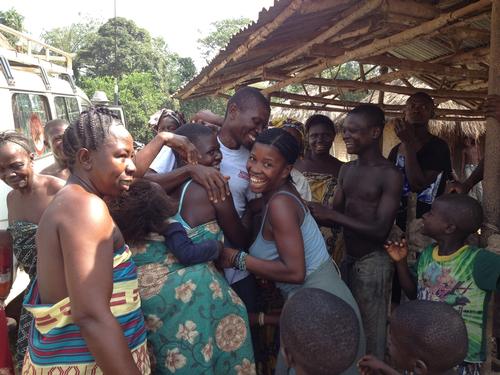
An Ebola survivor returns home. In the bag is a mosquito net, multivitamins, a bottle of water, condoms, sheets, soap, a toothbrush, toothpaste, a towel, a blanket, biscuits and ready-to-use therapeutic food to help build up their strength.
Ebola and haemorrhagic fevers

Survivors receive mixed homecoming welcome

Moses’ family has been hard hit by Ebola. Four of his family were infected with the virus. His father and brother died, but Moses and his sister both survived. Moses was recently discharged from MSF’s Ebola management centre in Bo, Sierra Leone and made the journey back to his home village, accompanied by MSF health promoter Esmee de Jong Project Update - 31 Dec 2014
 
msf-placeholder
Ebola and haemorrhagic fevers

Clinical trial for potential Ebola treatment started in MSF clinic in Guinea

The trial is taking place at MSF’s Ebola Treatment Centre in Guéckédou. Project Update - 26 Dec 2014
 
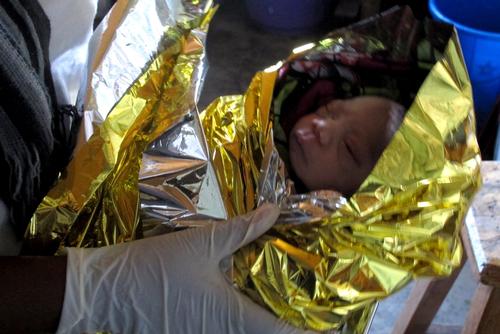
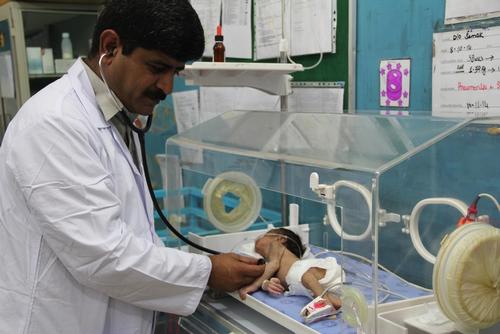
Access to health is extremely hard for a significant part of population in DRC. Health actors like MSF have to cope with various hurdles to bring assistance to mothers and their newborns.
Democratic Republic of Congo

One fewer mother every 25 minutes

In the Democratic Republic of Congo (DRC), 21,000 women died last year due to complications during pregnancy and childbirth. Literally, one thousand times more than in Spain. Project Update - 23 Dec 2014
 
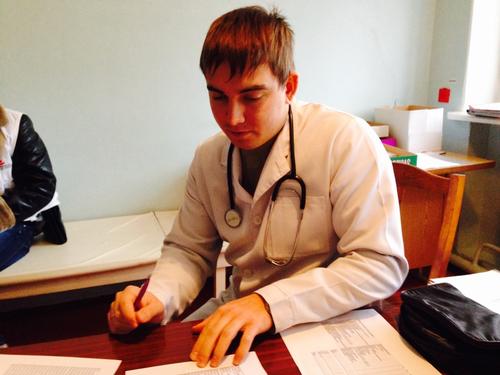
Dr Yuri Orlov, a local Ukrainian doctor working at a health centre in Donetsk called Ambulatory #6. In response to the difficulties people now face in accessing basic healthcare, the MSF team is expanding its medical support to health centres in conflict-affected areas of Donetsk. One of the first of these outreach clinics is called ‘Ambulatory #6’ in Novostroika, a small coal mining village on the outskirts of Sharkhtiorsk in a rebel-held part of Donetsk. It is the first-line health service for some 7000 people living in five nearby villages, providing primary healthcare and referring people to hospital when needed. This small health centre has not received any medicines from the state system since August, and salaries for medical personnel have not been paid since the summer. With medical supply lines in the east of the country severely disrupted or cut entirely, and 2014 budgets exhausted months ago, many state institutions like ‘Ambulatory #6’ rely on volunteer support from local organisations for food, and from MSF for medical supplies and support to the health staff.
Ukraine

MSF outreach clinic a vital lifeline for eastern rural areas

After months of protracted fighting in eastern Ukraine, the conflict is having a devastating impact on people living on both sides of the frontline. Voices from the Field - 23 Dec 2014
 
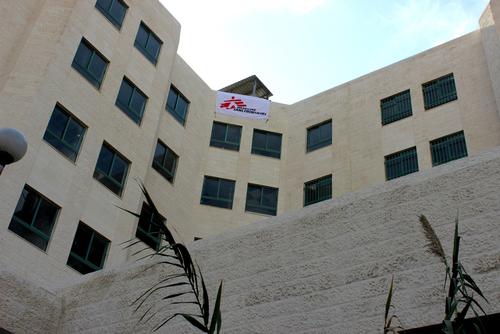
After long months of intensive work, the new Médecins Sans Frontières (MSF) hospital for specialized reconstructive surgery for war victims from the Arab region is almost ready to run. The hospital will be the largest structure of its kind MSF is currently running.
Jordan

New home for MSF specialised reconstructive surgery project set for completion

After months of intensive work, the new Médecins Sans Frontières (MSF) specialized reconstructive surgery hospital for war victims from the Middle East and North Africa region is almost ready to run. It will be the largest hospital for th Project Update - 22 Dec 2014
 
Dr. Barkat Hussain works for MSF as pediatrician at the DHQ Hospital in Dera Murad Jamali 

Ninety per cent of the patients are admitted here with nutritional cases. They come to us with secondary problems, not for malnutrition and when we tell them what happens they come to know that their child’s basic problem is malnutrition. They don’t know if their baby is growing or not. They only know that the baby has pneumonia, diarrhea or vomiting. In this area malnutrition is a very big problem and there are lots of reasons. It is not only poverty but also lack of education. Most of people don’t have good medical facilities when the baby is born. Mothers give breast milk but due to lack of education they change the pattern of feeding. If they start breast feeding they also give supportive bottled feeding and other things and then the baby is away from breast feeding and becomes malnourished mostly in initial days. Breastfeeding is best for the children. It is free, easily available and strengthens the immune system.
Pakistan

Too weak to breathe

Some of the faces of malnutrition, a harsh reality for many families in Pakistan Voices from the Field - 22 Dec 2014
 
msf-placeholder
Ebola and haemorrhagic fevers

MSF Says Thank You for 2014

Thanks to your generosity we were able to respond to crises all over the world. Thank you. Statement - 19 Dec 2014
 
msf-placeholder
Ebola and haemorrhagic fevers

Ebola crisis update - 18th December 2014

The Ebola outbreak in West Africa has claimed 6,387 lives since it was officially declared. Crisis Update - 18 Dec 2014
 
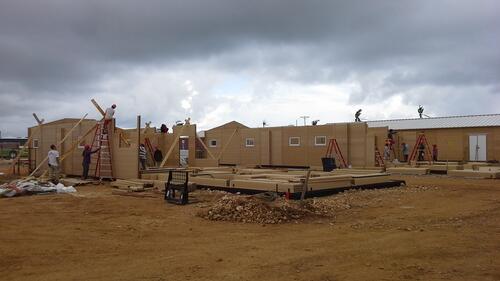
MSF as started building a prefabricated hospital in Guiuan which will take patients out of the tents – unsuitable in the rainy season – until a permanent hospital can be built. The hospital, designed to last up to five years, will provide maternity care and surgery as well as inpatient and outpatient services. It is due for completion in June, when MSF will leave Guiuan, handing the hospital over to the Ministry of Health to run.
Philippines

One year after typhoon Haiyan

MSF raised €32.5m for Typhoon Haiyan emergency response. Here's how we spent it. Report - 18 Dec 2014
 
msf-placeholder
Yemen

MSF provides medical care to IDPs and injured people lacking access in Al-Bayda governorate

The newly formed Yemen Emergency Pool has provided medical consultations and non-food items to IDPs. Project Update - 18 Dec 2014
Four mothers posing in a corridor of the Hospital in Bili. All four of them are staying in the hospital with their child, that's suffering from a severe case of malaria. Since the beginning of the project in 2016, the pediatric ward already treated more than 4.000 cases of complicated/severe form of malaria.
Médecins Sans Frontières (MSF)

Independent medical humanitarian assistance

We provide medical assistance to people affected by conflict, epidemics, disasters, or exclusion from healthcare. Our teams are made up of tens of thousands of health professionals, logistic and administrative staff - most of them hired locally. Our actions are guided by medical ethics and the principles of independence and impartiality. We are a non-profit, self-governed, member-based organisation.

Learn more