Typhoon Haiyan, or Yolanda as it is known locally, was the strongest typhoon ever recorded at landfall, ripped through the central Philippines on 8 November 2013. It caused devastation on an unprecedented scale – roofs were ripped off, villages were flattened, livelihoods were swept away and a tsunami-like storm surge claimed more than 6,300 lives and displaced some 4 million people.
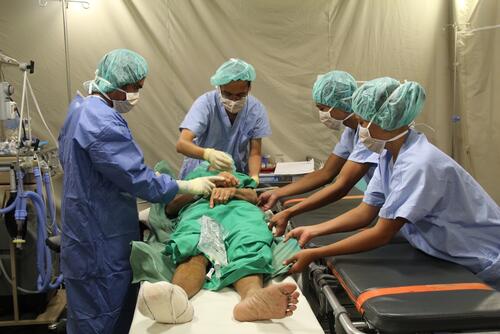
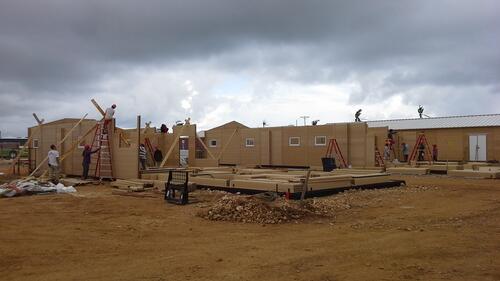
In the aftermath of the typhoon, MSF was able to provide emergency assistance to communities on three of the worst-affected islands: Guiuan and nearby towns on Eastern Samar; Tacloban, Tanauan, Palo, Ormoc, Santa Fe and Burauen on Leyte; and Estancia, Carles and San Dionisio on mainland Panay, as well as several outlying islands. This included addressing acute and immediate medical trauma needs; restoring basic medical services and facilities; providing shelter, reconstruction kits, water and sanitation facilities; and offering psychosocial support to both children and adults.
One year later, demands in medical and humanitarian support from MSF have greatly reduced due to the improvements in the capacity of local health services. MSF raised €32.5 million for Typhoon Haiyan emergency response. Read the report for the details of how we spent it.
Philippines
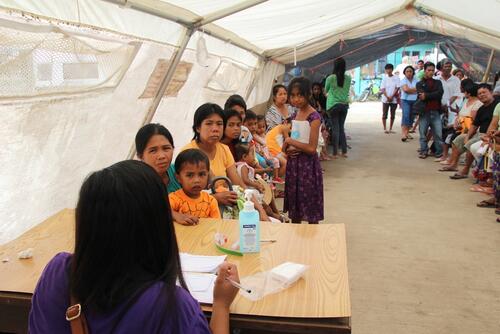
MSF teams reach areas most impacted by typhoon Hagupit and find a population well prepared
Project Update
11 Dec 2014