Ebola disease in DRC: find out how we're responding
Learn more
7998 Results
 
Madeleine Boyer (infirmière anesthésiste).
Rwanda

Humanitarian aid, genocide and mass killings

Humanitarian aid, genocide and mass killings is intended for humanitarian aid practitioners, students, journalists and researchers with an interest in genocide and humanitarian studies and the political sociology of international organisations. Book - 23 Nov 2016
 
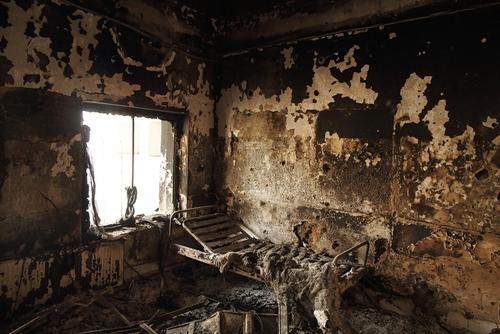
Dr Abu Wasim, a plastic surgeon, stands next to a damaged ward on the upper floors of a hospital in east Aleppo after it was hit by an airstrike in mid-October 2016. He is one of the 7 surgeons left in East Aleppo.
Syria

Multiple direct and indirect hits on hospitals in east Aleppo in the last 48 hours

The only specialised paediatric hospital in besieged east Aleppo has come under attack for the second time since airstrikes resumed on 15 November, destroying three floors and leaving it out of service. Three other hospitals have also taken direct hits, resulting in casualties among staff and patients and leaving two key surgical hospitals and the largest general hospital out of service. Project Update - 19 Nov 2016
 
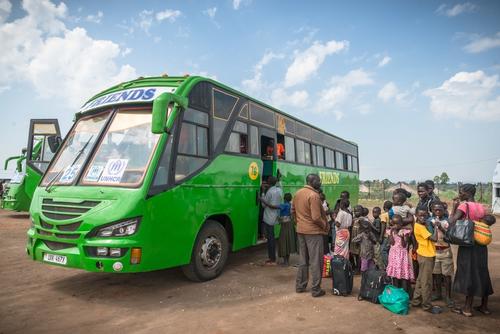
More than 300 people arrive each day in Nduta camp, originally designed for 50,000 people but now hosting over 65,000. New arrivals come by bus, first crossing the border point, then to transit camps and and then staying a few nights in the camp reception centre on arrival to Nduta. While they are being registered by UNHCR and before a family shelter is allocated to them, they live in overcrowded communal tents, facing poor hygiene and a high risk of malaria transmission.
New arrivals have to queue for hours in the reception centre to receive their daily meals. Some of these people have already been allocated a shelter, but have not received their refugee card and dry food rations. They have to come back every day to the reception centre to get a warm meal.
MSF is present at the reception centre to screen all new arrivals. “A lot of them arrive exhausted and in bad health condition. We do their medical check-up and send those in need to MSF clinics or refer them to the hospital. They also get vaccinated and pregnant women are scheduled for antenatal consultations.”
Medical teams have seen a big increase in the number of consultations, both at the reception centres and in MSF’s four health posts and hospital. The number of deliveries has risen as well. “When I arrived a few weeks ago, there were around five deliveries per day. Now we have around 12,” says Sally Parker, midwife.
Tanzania

"Tanzania - Aid is needed before situation deteriorates"

A critical situation is unfolding for hundreds of thousands of refugees in Tanzania, with camps now at full capacity. This slideshow illustrates the situation of Nduta refugee camp, overstretched by the influx of new arrivals - around 300 per day. Photo Story - 18 Nov 2016
 
MSF set up a circuit to vaccinate children under 5 years old, they also receive an anti-parasite and vitamin A and parents receive relief items such as soap and mosquito nets. In one day nearly 4,000 children were vaccinated.
Nigeria

Crisis Info on Borno emergency - November 2016

Crisis Update - 18 Nov 2016
 
Ndegue Michel (left) has been trained by MSF to treat malaria cases in the community so people don?t have to travel to the hospital. Here, a two-year-old girl is tested in the Rosin neighborhood on the outskirts of Carnot.
Central African Republic

Don't turn off the life support

Project Update - 17 Nov 2016
Four mothers posing in a corridor of the Hospital in Bili. All four of them are staying in the hospital with their child, that's suffering from a severe case of malaria. Since the beginning of the project in 2016, the pediatric ward already treated more than 4.000 cases of complicated/severe form of malaria.
Médecins Sans Frontières (MSF)

Independent medical humanitarian assistance

We provide medical assistance to people affected by conflict, epidemics, disasters, or exclusion from healthcare. Our teams are made up of tens of thousands of health professionals, logistic and administrative staff - most of them hired locally. Our actions are guided by medical ethics and the principles of independence and impartiality. We are a non-profit, self-governed, member-based organisation.

Learn more