



Ebola disease in DRC: find out how we're responding
Learn more
8006 Results
 
MSF teams in and around Mosul have received more than 1,800 patients in need of urgent or lifesaving care in the last two months. 1,500 of them needed treatment for conflict related trauma. As the scale of the non-trauma needs also became apparent, MSF opened maternity services in eastern Mosul at the beginning of February, and since then the teams have assisted 100 births and performed 80 C-sections.
Iraq

“Yesterday, it was calm; we only received 20 war-wounded patients”

Testimonies gathered on 18 March from two MSF surgeons working in the field trauma centre. Voices from the Field - 22 Mar 2017
 
MSF teams in and around Mosul have received more than 1,800 patients in need of urgent or lifesaving care in the last two months. 1,500 of them needed treatment for conflict related trauma. As the scale of the non-trauma needs also became apparent, MSF opened maternity services in eastern Mosul at the beginning of February, and since then the teams have assisted 100 births and performed 80 C-sections.
Iraq

Thousands of wounded and sick coming from western Mosul

“The need for emergency medical care has risen drastically,” said Dr Isabelle Defourny, MSF director of operations. Press Release - 22 Mar 2017
 
In parallel with the study into a new rotavirus vaccine, over 1,000 pregnant women are being monitored as part of a substudy that aims to evaluate the impact of the nutritional condition of pregnant women on the health of their babies. These mothers receive nutritional supplements. 
During their pregnancy, they attend four scheduled appointments with the medical team for monitoring purposes and so that vaginal swabs, blood specimens (malaria/thick smear/syphilis/HIV AIDS), and urine and stool specimens can be taken.
These mothers also give permission for their newborn to be included in the study and monitored for two years by the Epicentre medical teams. At each of the scheduled appointments the mothers receive a transport allowance, plus three bars of soap and a food parcel containing bread, a drink and a tin of sardines.
Niger

Innovative vaccine against rotavirus

This slideshow explains the challenges posed by rotavirus and the existing constraints of the existing vaccines. It shows the story of the Epicentre Study in Maradi district, Niger. Photo Story - 21 Mar 2017
 
MSF has responded to the urgent medical needs of this displaced population by opening a field hospital with an inpatient, an outpatient and an emergency department in Aburoch, where up to 15,000 people have settled. Two mobile clinics are also operating south of Kodok where part of the displaced population has settled. Over the last two weeks, MSF is providing an average of 300 consultations a day, six times the number that was provided in Wau Shilluk where MSF used to run a hospital. PHOTOGRAPHER: Riaz Hussain on the 6th of March 2017
South Sudan

Urgent humanitarian assistance needed for thousands of people who fled fighting in Wau Shilluk

“The humanitarian needs of those that fled are vast and are not being met,” says Abdalla Hussein Abdalla, MSF’s deputy head of mission for South Sudan. Crisis Update - 15 Mar 2017
 
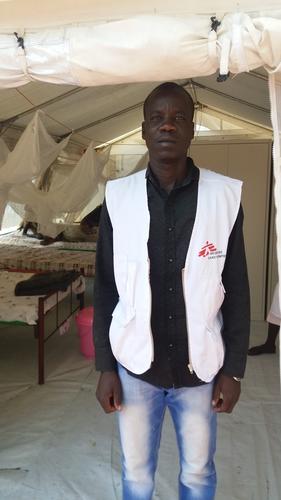
For the last two years, Francis Ronyo has worked as a nurse in MSF’s Wau Shilluk hospital. He was one of the national staff on duty when the decision was taken to evacuate and leave for Kodok. Since he arrived in Kodok, he doesn’t have a place to stay and ends up sleeping in the open with the rest of the people from Wau Shilluk. He however decided to continue serving the sick and the wounded in any way he could and is now  providing medical are in the MSF clinic in Aburoch
South Sudan

“My future is unclear, and I don't know what will happen to all of us from Wau Shilluk.”

Francis Ronyo worked as a nurse in MSF’s Wau Shilluk hospital for two years. He was one of the national staff on duty when the order was given to evacuate and leave for Kodok. Voices from the Field - 15 Mar 2017
 
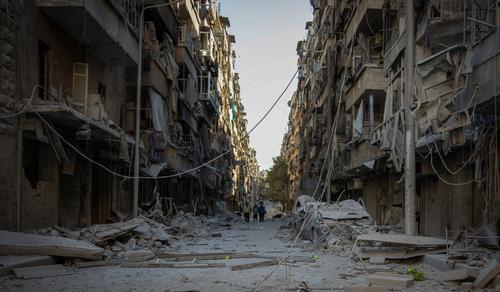
People walk down a street in Bustan Al Kasr neighbourhood after it was hit by airstrikes in mid-October 2016.
Syria

Warring groups must allow aid to population in need

MSF reiterates its call to warring groups to allow access to Syria so that victims of the war can receive medical assistance. Statement - 14 Mar 2017
 
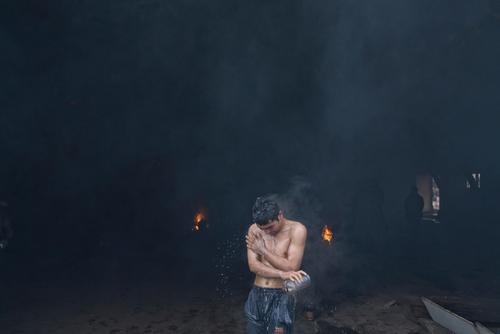
A man washes himself with hot water outside a disused railway warehouse used by refugees and migrants as temporary shelter in Belgrade, Serbia, Thursday, Jan. 5, 2017.
Refugees, IDPs and people on the move

One year after the EU-Turkey deal: migrants and asylum seekers are paying the price with their health

MSF calls on the EU and member state leaders to radically change their approach to migration and ensure a swift end to the unnecessary suffering of the thousands caught in the consequences of the EU-Turkey deal. Report - 14 Mar 2017
Access to medicines

Dilemmas in access to medicines: a humanitarian perspective

UREPH is pleased to announce the publication of “Dilemmas in access to medicines: a humanitarian perspective” by James Smith and Tammam Aloudat in The Lancet. Journal article - 14 Mar 2017
 
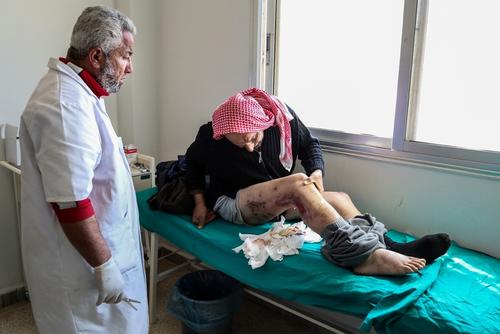
In the picture, a man who suffered a mine explosion is being treated for his wounds by an MSF doctor.
Syria

No eyes on the ground

In its 45-year history, MSF has used its presence in the field and its proximity to patients to bear witness and bring the plight of populations affected by disease, natural disasters and conflicts to the world’s attention. Project Update - 13 Mar 2017
 
Heavy damaged sustained by al-Bayan hospital in July
Syria

Changes in medical practice in Syria

This report seeks to detail some of the ways in which the provision of medical care has been compromised or forced to adapt in light of security threats. Report - 13 Mar 2017
Four mothers posing in a corridor of the Hospital in Bili. All four of them are staying in the hospital with their child, that's suffering from a severe case of malaria. Since the beginning of the project in 2016, the pediatric ward already treated more than 4.000 cases of complicated/severe form of malaria.
Médecins Sans Frontières (MSF)

Independent medical humanitarian assistance

We provide medical assistance to people affected by conflict, epidemics, disasters, or exclusion from healthcare. Our teams are made up of tens of thousands of health professionals, logistic and administrative staff - most of them hired locally. Our actions are guided by medical ethics and the principles of independence and impartiality. We are a non-profit, self-governed, member-based organisation.

Learn more