


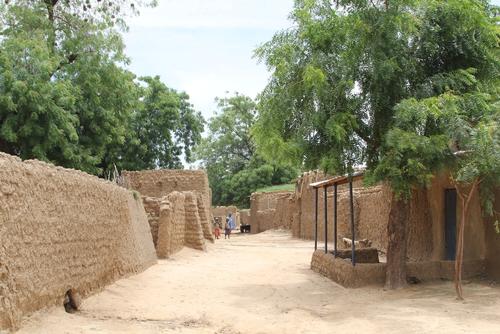
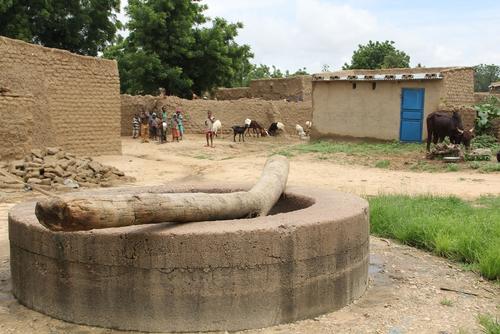
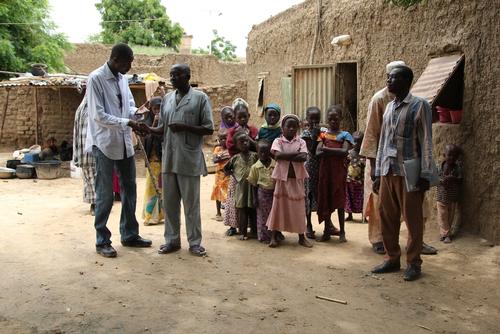
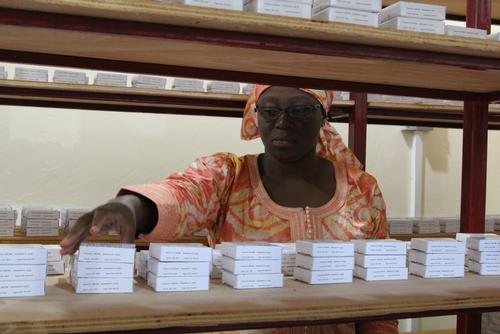
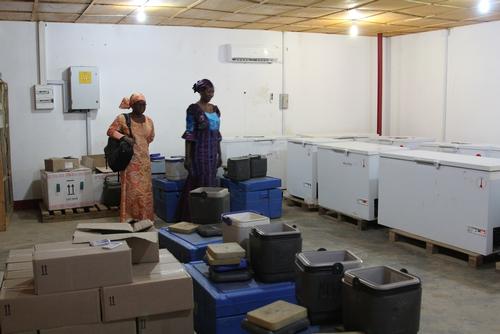
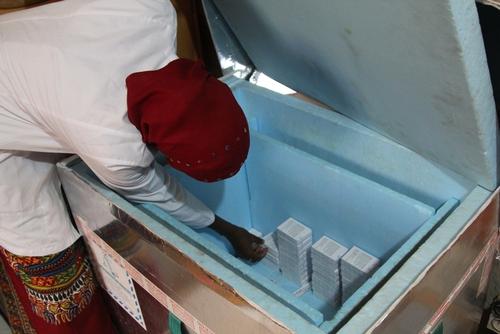
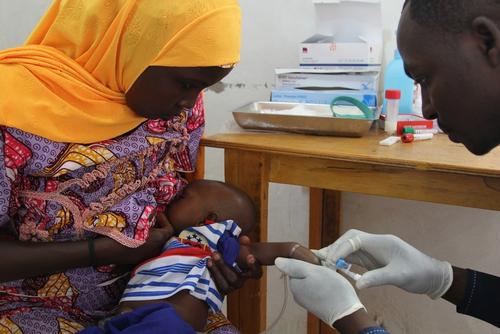
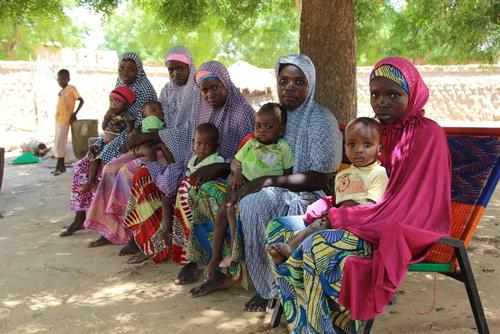
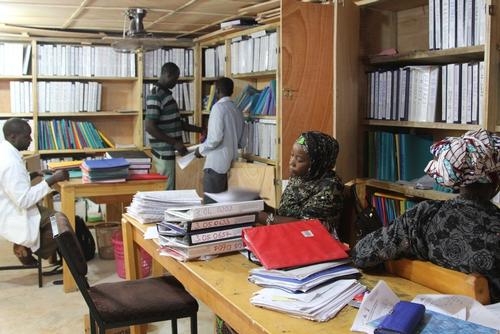
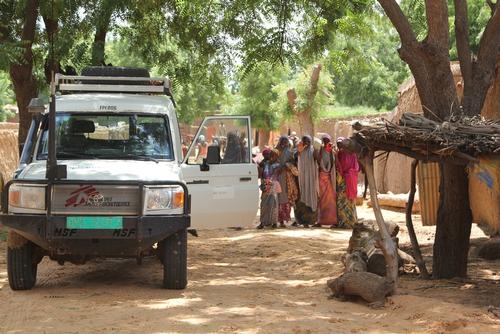
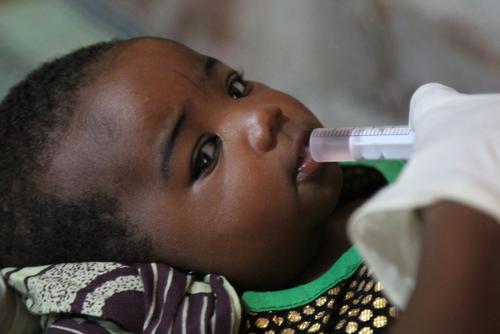
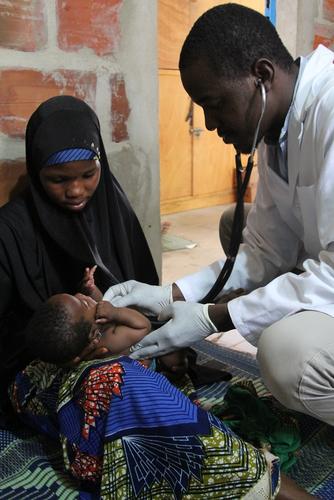
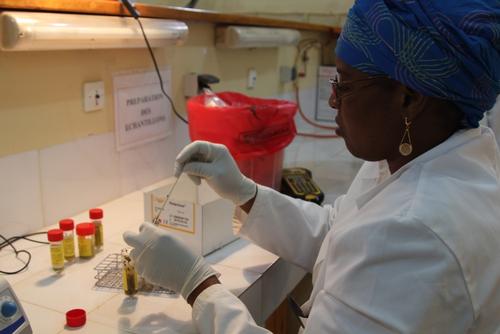
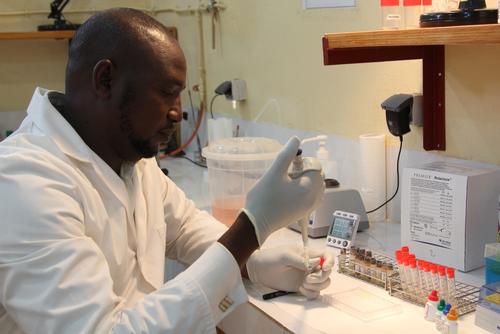
This slideshow explains the challenges posed by rotavirus and the existing constraints of the existing vaccines. It shows the story of the Epicentre study in Maradi district, Niger. The vaccine is now proven safe and effective. Last step: prequalification by the World Health Organization (WHO).
Niger
Innovative vaccine could prevent thousands of child deaths from diarrhoea
Press Release
23 Mar 2017
Nigeria
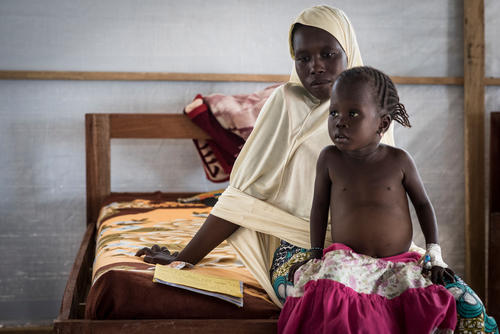
“People are dying of hepatitis E because they don’t have soap or clean water”
Project Update
10 Aug 2017
Niger
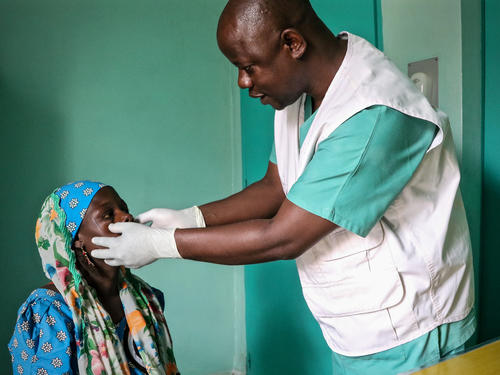
Hepatitis E outbreak in Diffa – 186 pregnant women admitted to hospital
Project Update
19 Jun 2017