



Ebola disease in DRC: find out how we're responding
Learn more
4635 Results
 
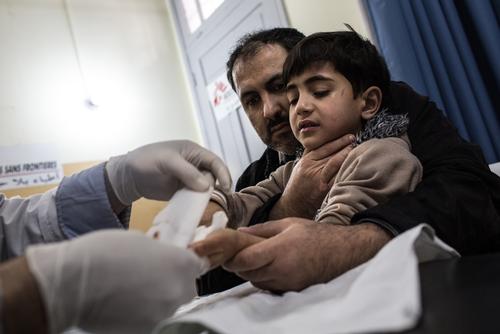
Gaza Février 2014

Conséquence du blocus israélien instauré en 2007, les gazaouis font face à une pénurie d'électricité. Générateurs électriques et bouteilles de gaz de mauvaise qualité sont sources d'accidents graves et fréquents. Les équipes MSF mènent un programme de chirurgie réparatrice dans les hôpitaux Al-Shifa et Nasser pour prendre en charge les grands brûlés, essentiellement des femmes et des enfants. Les patients bénéficient également d’un suivi postopératoire (physiothérapie, pansements) dans la clinique MSF, située dans la ville de Gaza.<br/>
 

Gaza, February 2014 

As a result of the Israeli blockade established in 2007, Gazan people are facing electricity shortages. Poor quality electric generators and gas bottles cause serious and frequent accidents. MSF teams carry out a program of reconstructive surgery in Al Shifa and Nasser hospitals to support burn victims, mainly women and children. Patients also benefit from postoperative care (physiotherapy, dressings) in the MSF clinic, located in the city of Gaza.
Palestine

A population under siege

Bombing intensity makes population and MSF teams on the field moves extremely dangerous Voices from the Field - 14 Jul 2014
 
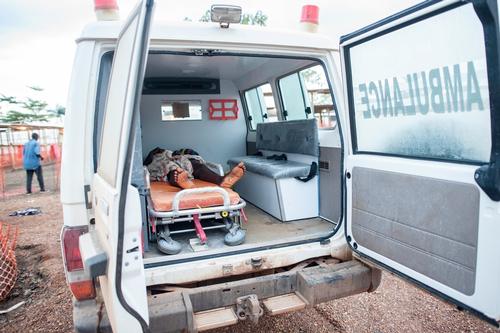
Kailahun. Sierra Leone. Médecins Sans Frontières (MSF) Ebola Treatment Centre. Receiving 'confirmed' Ebola positive tested patients. Two ambulances, one from the Sierra Leonese Red Cross and another one from the Ministry for Health bring eight confirmed patients to the MSF Ebola Treatment Centre.
Sierra Leone

Race against time to control the Ebola outbreak

MSF teams race to control the Ebola outbreak in Sierra Leone Project Update - 11 Jul 2014
 
Two days after testing positive for Ebola, Finda Marie Kamano dies. Fatou, her older sister is overwhelmed.  She was the one who had called MSF to come and get Finda. Some members of the community accuse her of causing her sister’s death. They say that if she had stayed home, Finda would still be alive. There is a serious misconception the work MSF is doing; people see their family members go into the isolation ward and then come out no longer alive.  Numerous false rumors circulate within the communities.  People even talk about organ trafficking.
Guinea

“For some, Ebola is akin to magic”

MSF doctors explain the nature of the Ebola outbreak in west Africa Voices from the Field - 9 Jul 2014
 
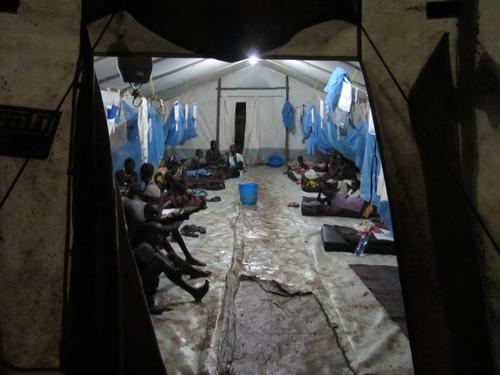
MSF intensive Therapeutic feeding center. Children under 5 account for around 90% of impatients.
Ethiopia

Critical conditions for South Sudanese refugees in Gambella

Critical conditions for South Sudanese refugees in Gambella, Ethiopia Project Update - 8 Jul 2014
 
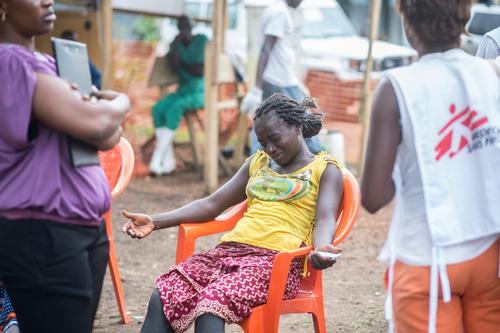
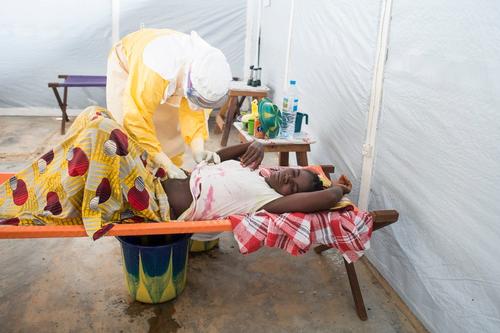
Following a phone call, an MSF team goes to the home of Finda Marie Kamano, age 33. She reported extreme weakness, vomiting, and dysentery.  These symptoms, along with fever and nosebleeds, are typical of those caused by the Ebola virus.  Wearing a protective suit, a doctor checks Finda, who complains of severe stomach pain.
Ebola and haemorrhagic fevers

MSF activities in Ebola outbreak

A summary of the situation in west Africa, in the midst of an Ebola outbreak Project Update - 7 Jul 2014
 
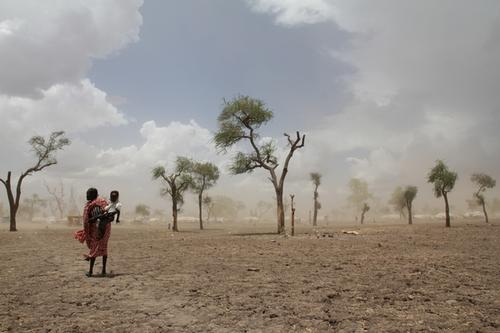
The landscape in Maban, South sudan is very rough, hot, barren and unforgiving. Few people normally live here but now the area contains tens of thousands refugees.
War and conflict

Where is everyone?

A report examining the limitations and deficiencies of the international aid response to crisis. Report - 6 Jul 2014
 
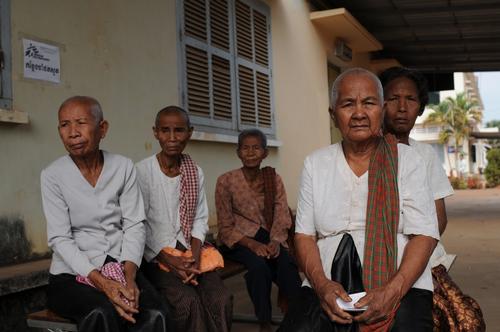
Women waiting to have a chest X-ray as part of the MSF Active Case Finding TB programme, Tboung Khmum, Cambodia
Cambodia

Cambodia wasn’t initially on Helen Tindall’s radar ...

MSF's nurse manager describes the challenges in tackling TB Voices from the Field - 4 Jul 2014
 
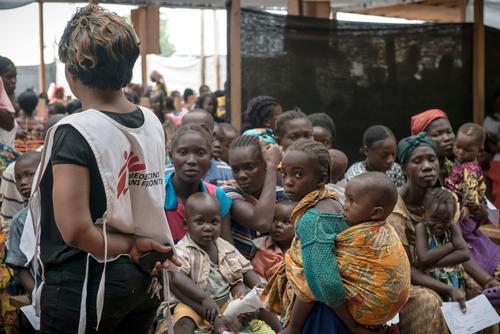
MSF staff with patients at MSF health post in Mpoko IDP camp at Bangui International Airport
Central African Republic

Interview with MSF's head of mission, Stefano Argenziano

Central African Republic: Interview with MSF's head of mission, Stefano Argenziano Voices from the Field - 4 Jul 2014
 
msf-placeholder
South Sudan

Medical Care Under Fire in South Sudan

Video: Medical Care Under Fire in South Sudan Project Update - 4 Jul 2014
 
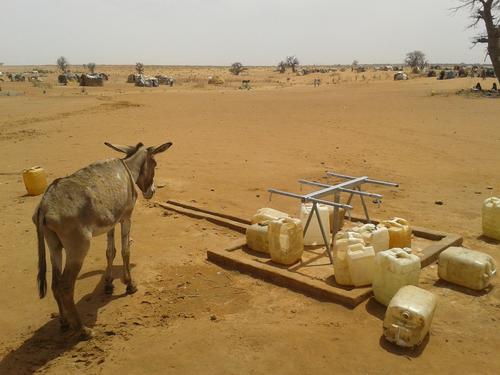
El Sereif camp, near the South Darfur State capital Nyala, saw an influx of newly displaced people in March and April, fleeing conflict and the total destruction of their villages in areas to the southwest of Nyala. The MSF medical team that had been working in the camp since August 2013 was already responding to the health consequences of poor living conditions. While some of the new arrivals have now left the camp, the 4,500 that have stayed are in particularly terrible conditions, sheltering on a patch of desert with almost none of the basics essentials to sustain life. Before the new influx, camp residents were surviving on less than five litres of water per person per day when the recognized minimum for emergencies is 15 litres – and the new arrivals have access to even less water, not enough to adequately sustain human life.
Sudan

Extremely poor living conditions in Darfur camp

Refugees have barely even essential items to survive Press Release - 2 Jul 2014
Four mothers posing in a corridor of the Hospital in Bili. All four of them are staying in the hospital with their child, that's suffering from a severe case of malaria. Since the beginning of the project in 2016, the pediatric ward already treated more than 4.000 cases of complicated/severe form of malaria.
Médecins Sans Frontières (MSF)

Independent medical humanitarian assistance

We provide medical assistance to people affected by conflict, epidemics, disasters, or exclusion from healthcare. Our teams are made up of tens of thousands of health professionals, logistic and administrative staff - most of them hired locally. Our actions are guided by medical ethics and the principles of independence and impartiality. We are a non-profit, self-governed, member-based organisation.

Learn more