




Ebola disease in DRC: find out how we're responding
Learn more
8004 Results
 
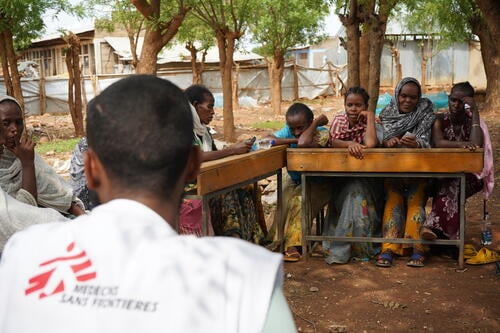
Three years after the 2022 Pretoria peace agreement ended hostilities in Ethiopia's Tigray region, over 760,000 people remain displaced, many in overcrowded camps with limited access to food, clean water, sanitation, and shelter, as communities grapple with the lasting impacts of violence and collapsed services. 

The psychological impact of the conflict exacerbated by the current living situation remains one of the most pressing but often overlooked consequences. 

As trauma caused by violence, loss, and displacement continues to affect thousands of people in the region, access to mental health care remains extremely limited leaving a lot of survivors to cope with the long-term effects of trauma alone. 

MSF currently provides mental health counseling at two locations in the region. Since 2023, Mental health care services have been offered at the Five Angels and Semaetat IDP Camp, and starting in 2024, counseling is also offered at the MSF facility within Maiani Hospital.  

These services include one-on-one counseling, psycho-education sessions with health promotion teams, group therapy, and referrals to hospitals for psychiatric care, ensuring regular support for the community.
Ethiopia

Mental health care cannot wait in Tigray

Three years since the cessation of hostilities in Tigray, Ethiopia, people are living with the psychological impacts of trauma without widely available support. Project Update - 10 Oct 2025
 
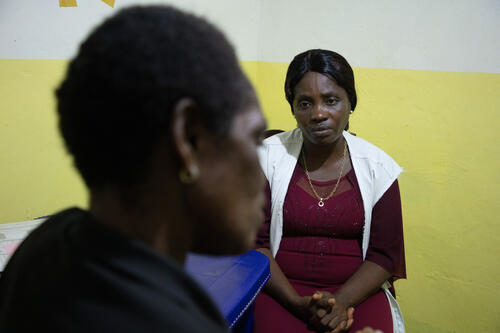
At Salamabila Hospital, Alice, an MSF social worker, sees Fabienne*, 46, for the third time. This woman was raped by armed men. Alice tries to ease her trauma and makes sure Fabienne continues to take her treatment for sexually transmitted diseases.

*Name changed for anonimity
Democratic Republic of Congo

Organisations must continue response on sexual violence emergency in Maniema

As we come to the planned end of our response to sexual violence in Maniema, DRC, we are urging the authorities, donors, and humanitarian partners to ensure continuity of care. Press Release - 8 Oct 2025
 
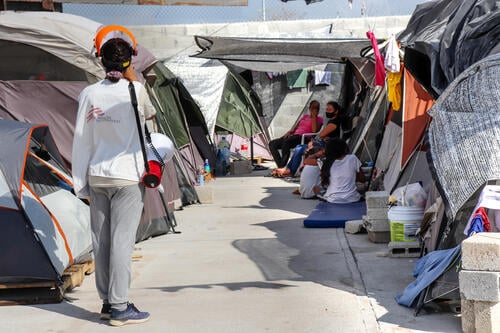
Restrictive immigration policies such as Title 42 have serious consequences on the migrant population. An example of this is the current situation in Plaza de la República in Reynosa, north-eastern Mexico, where more than 2,000 people from the Northern Triangle of Central America are living in tents in open air, in deplorable conditions of habitat and security, after being expelled from the United States when they were seeking protection. 
MSF provides primary health and mental health services, as well as support in providing clean water for the population in the Plaza de la Republica.
Mexico

MSF concludes work in Reynosa and Matamoros after eight years of care for migrants

We have concluded our project for migrants in the cities of Reynosa and Matamoros, in Mexico, due to a decrease in people attempting to migrate north. Project Update - 7 Oct 2025
 
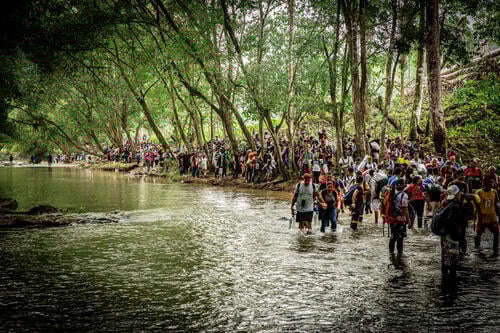
During their journey through the Darién, migrants must cross the Acandí and Tuquesa rivers.
Panama

MSF concludes activities for migrants in Panama

After almost four years in Panama, we have ended activities in the country following a decrease in migration flows. Project Update - 7 Oct 2025
 
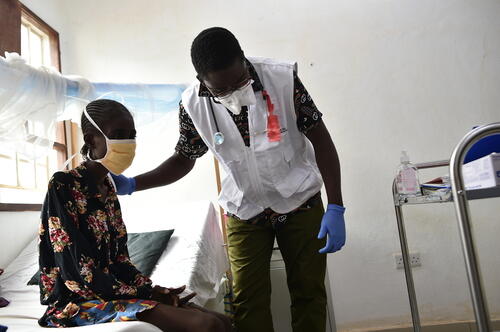
24-year-old Zainab Kamara attending a medical consultation provided by MSF Clinical Officer, Dominic Pessima, at the MSF Supported drug-resistant tuberculosis ward in Makeni Regional Hospital, Bombali Districts, Sierra Leone. 
Zainab Kamara is from Makeni. She has been diagnosed with multidrug-resistant tuberculosis (MDR-TB) and started her 18 months all oral treatment in May 2023. She has a history of previously interrupted treatment due to lack of family support and has now been placed on an individualized drug regimen to adequately address the type of resistance she is facing.
Sierra Leone

MSF concludes years of medical support in Tonkolili and Bombali districts

We have concluded our work in Tonkolili and Bombali, after years of providing care to newborns and mothers, as well as people with tuberculosis. Project Update - 6 Oct 2025
 
black background
Gaza-Israel war

MSF is devastated by the death of colleague Abed El Hameed in Gaza

We confirm the death of our colleague Abed El Hameed Qaradaya. He succumbed to his critical injuries on 5 October following an attack on 2 October, in which our colleague Omar Hayek was also killed. Statement - 5 Oct 2025
 
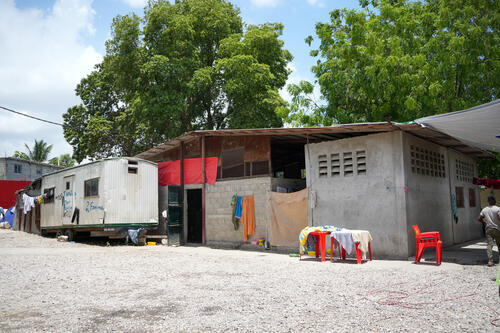
View of a displaced person’s camp housed in the premises of a former MSF hospital in Port-au-Prince.
Haiti

People and the health system are trapped in escalating violence in Haiti

Our teams in Haiti continue to treat victims and survivors of violence, while the health system struggles to cope with people's needs. Project Update - 3 Oct 2025
 
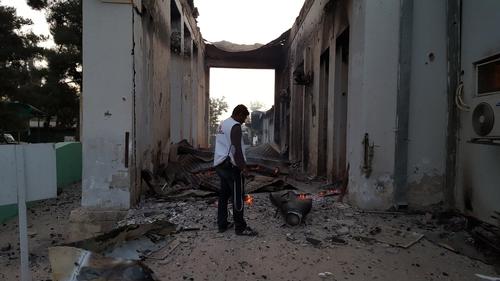
An MSF staff member walks through the grounds of the Kunduz trauma centre, 03 October, hours after it was badly damaged from sustained bombing on Saturday October 3.
Afghanistan

Kunduz 10 years on

On 3 October 2015, an airstrike destroyed our trauma hospital in Kunduz, killing our patients, friends, and colleagues. Today, we have a new trauma centre open in Kunduz. Project Update - 3 Oct 2025
 
black background
Gaza-Israel war

MSF denounces killing of fourteenth staff member in Israeli attack in Gaza

This morning, an attack carried out by Israeli forces killed Médecins Sans Frontières (MSF) staff member, Omar Hayek, and seriously injured four others. Statement - 2 Oct 2025
 
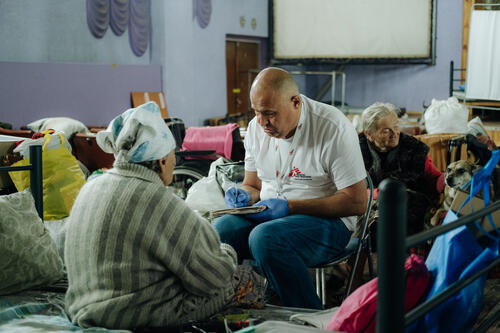
People from the frontline areas arrive at the transit centre for IDPs in Dnipropetrovsk region (eastern Ukraine). They usually spend a few days here before moving further west. The Médecins Sans Frontières mobile clinic comes here twice a week. Our doctors and nurses examine patients. They often have chronic illnesses, and some of them arrive with injuries from the hostilities. Our health promoters and psychologists also work with patients to identify their needs and provide psychological support.
Ukraine

Displaced people struggle in eastern Ukraine’s overcrowded shelters

MSF teams are running mobile clinics for people who have been newly displaced by intensifying fighting in eastern Ukraine. Project Update - 2 Oct 2025
Four mothers posing in a corridor of the Hospital in Bili. All four of them are staying in the hospital with their child, that's suffering from a severe case of malaria. Since the beginning of the project in 2016, the pediatric ward already treated more than 4.000 cases of complicated/severe form of malaria.
Médecins Sans Frontières (MSF)

Independent medical humanitarian assistance

We provide medical assistance to people affected by conflict, epidemics, disasters, or exclusion from healthcare. Our teams are made up of tens of thousands of health professionals, logistic and administrative staff - most of them hired locally. Our actions are guided by medical ethics and the principles of independence and impartiality. We are a non-profit, self-governed, member-based organisation.

Learn more