Médecins Sans Frontières (MSF) has concluded our medical support in Bombali and Tonkolili districts in Sierra Leone, marking the end of a nearly decade-long programme to improve access to free, quality, healthcare with the Ministry of Health.
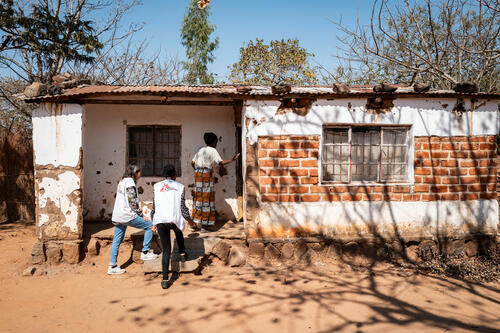
Since 2016, MSF has worked alongside the national health authorities to provide essential services to pregnant women, lactating mothers, children under five, and people affected by tuberculosis (TB). In early 2024, we began a phased withdrawal from these districts, establishing a steering committee composed of government representatives, health and development partners, and community stakeholders to guide a strategic transition and ensure continuity of care.
As an emergency medical humanitarian organisation, MSF continually adapts its operations to respond to global needs. The decision to conclude support in Bombali and Tonkolili comes amid increasing international crises, requiring MSF to reallocate resources to reach people in more urgent need. Despite this shift, MSF reflects with pride on the impact made in Sierra Leone through years of dedicated service and collaboration.
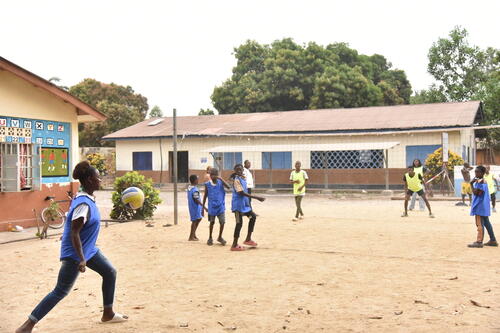
In Tonkolili district, MSF supported both general and specialised healthcare services, including antenatal and postnatal care, treatment for children under five, support for survivors and victims of sexual and gender-based violence, adolescent sexual and reproductive health services, and timely referrals to specialised care.
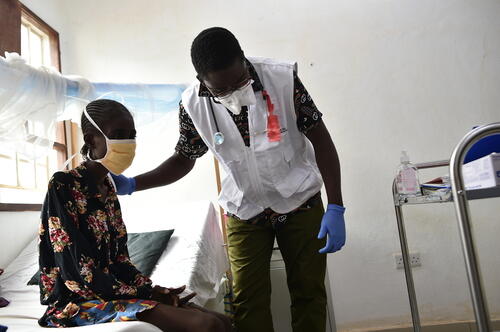
At the Magburaka government hospital, MSF strengthened maternal and child health services, including comprehensive emergency obstetric and newborn care. Between 2016 and 2025, MSF supported the deliveries of 34,317 babies, treated 373,066 cases of malaria, and conducted 422,882 outpatient consultations for lactating mothers and children.
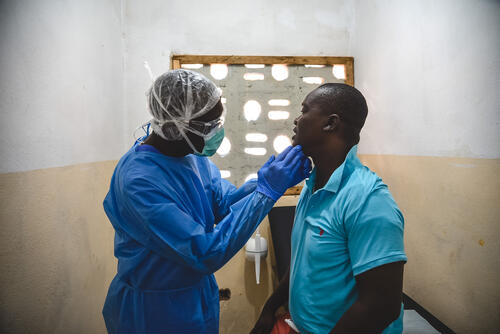
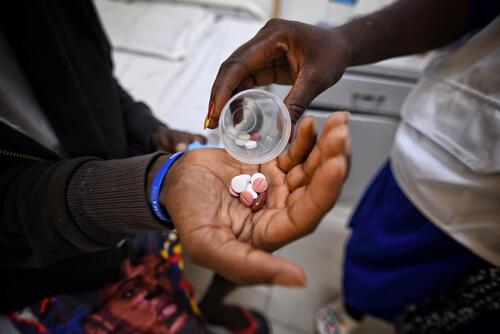
In Bombali district, we began supporting TB care in 2019 in partnership with the National Leprosy and Tuberculosis Control Program. The project focused on improving access to timely diagnosis, treatment, and prevention of both drug-sensitive and drug-resistant TB. MSF provided care at the Makeni regional hospital and across 15 peripheral health units, supported sample transportation systems, introduced new diagnostic tools for paediatric cases, and helped implement a shorter regimen for TB preventive therapy.
A major milestone was achieved in 2022 when Sierra Leone became the first country to routinely offer the six-month all-oral treatment for drug-resistant TB outside of a research setting, with MSF playing a key role in its rollout in Bombali district. Between 2020 and June 2025, MSF tested 30,804 people for TB and treated 8,589 patients, including 1,449 children.
As we conclude our support in these districts, we acknowledge the continued efforts of key partners such as Rainbo Initiative, which will continue the provision of care for survivors and victims of sexual and gender-based violence in Tonkolili district, Plan International, which will continue adolescent support services at Esther’s Clinic, and Inter Aid will continue support to water and sanitation services in Tonkolili district.
MSF remains committed to Sierra Leone and will continue providing medical care in Kenema district, focusing on maternal and child health at the Hangha Mother and Child hospital and surrounding health units. The organisation also remains on standby to respond to any future medical emergencies in the country.
“For almost a decade, our work in Bombali and Tonkolili has been driven by a commitment to serve those most in need,” says Abi Kebra Belaye, MSF’s head of mission in Sierra Leone. “We leave with a deep sense of fulfilment, proud of the achievements made in collaboration with the Ministry of Health and the communities we have served. We are confident that the services we helped build will continue to thrive through the Ministry of Health.”
MSF has been present in Sierra Leone since 1986, responding to a wide range of health needs, including responding to cholera, measles, Ebola, COVID-19, and mpox outbreaks. We have supported in yellow fever vaccination campaigns, and provided emergency medical care during the civil war and maternal and child healthcare.