



Ebola disease in DRC: find out how we're responding
Learn more
8006 Results
 
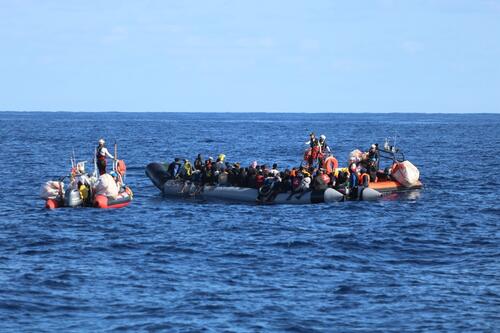
On 21 November, 2019, MSF and SOS Méditerranée teams rescued 90 people from a rubber boat in distress, located following a search effort which lasted almost 24 hours. Survivors report having left Libya on Tuesday night: 2 days at sea before they were finally spotted 82 NM from the coast. Among those rescued were 7 very young children, as well as 17 unaccompanied children under 18 years of age.
Mediterranean migration

Survivors disembark in Italy amidst deadly week in the Mediterranean

As search and rescue survivors disembark in Italy, MSF and SOS MEDITERRANEE urge EU governments to stop hindering lifesaving search and rescue operations. Press Release - 25 Nov 2019
 
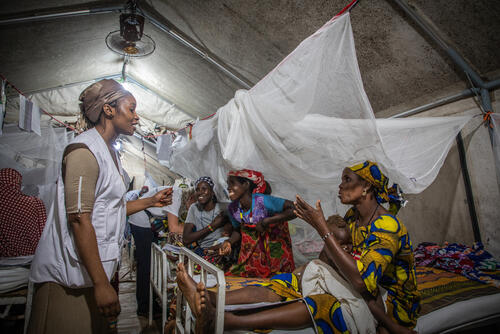
Fatouma Admaou, MSF nurse, is talking to a mother in the phase 2 tent during the evening visit.
Niger

Fifteen years treating malnutrition and malaria around the clock

In southern Niger, the combination of ‘hunger gap’ and rainy season triggers an annual spike in rates of malnutrition and malaria. Read about our work there. Project Update - 25 Nov 2019
 
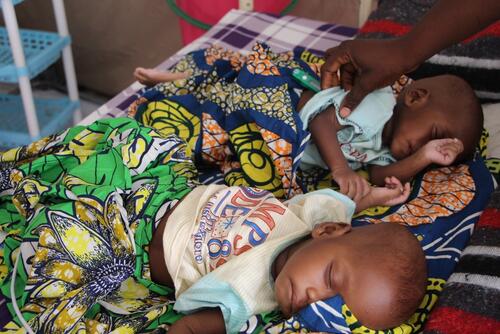
In Fori, in the south of the state capital Maiduguri, MSF runs an inpatient therapeutic feeding centre (ITFC) with more than 70 beds. The centre opened in January 2017 and treats severely malnourished children with medical complications such as tuberculosis, cerebral malaria, acute watery diarrhoea and respiratory tract infections. Severely malnourished children without medical complication and children with moderate acute malnutrition are enrolled in MSF’s outpatient feeding programme, which admits 130-300 children each month. From January to June 2019, MSF provided inpatient nutritional treatment for 1,161 children, ambulatory nutritional treatment for 1,216 children, and treated 1,436 patients with malaria and 555 with measles.
Nigeria

Is counter-terrorism killing humanitarian action in Nigeria?

In Nigeria, the essence of humanitarian action is threatened if entire communities are considered "the enemy", says MSF's director of operations. Op-Ed - 22 Nov 2019
 
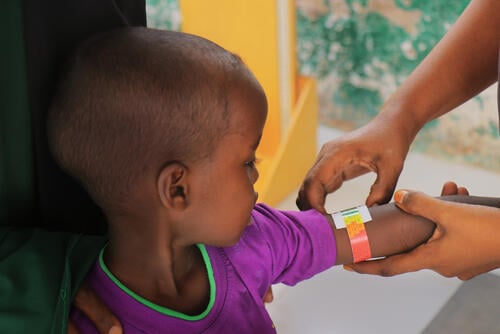
A female nurse weights a boy in the paediatric outpatient ward at Mudug Regional Hospital in Galkayo city, in the Mudug region of Somalia.
Somalia

From malnutrition to tuberculosis: responding to needs in North Galkayo

MSF activities have expanded in Somalia's Puntland state, to meet the needs of locals, internally displaced people and patients from as far as Ethiopia. Project Update - 21 Nov 2019
 
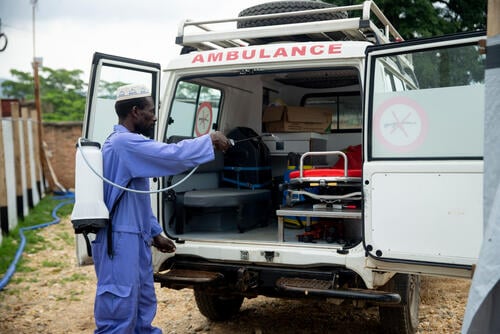
Abedi Hakizimana, a Burundian health worker, disinfects an ambulance which has recently transported a cholera patient outside the MSF-supported new cholera treatment centre in Bujumbura.
Burundi

Cholera epidemic: "Thankfully, my family all came back cured"

The rapid response to the large-scale cholera epidemic that hit Burundi in June prevented many deaths. Here's how MSF joined the fight against the disease. Project Update - 19 Nov 2019
 
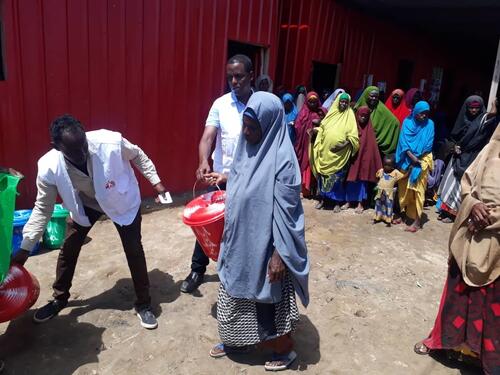
An MSF staff distributes aid among people displaced by the floods in Beledweyne district, central Somalia.
Somalia

Floods leave thousands of people vulnerable and in need

Back from Somalia, MSF humanitarian affairs advisor Mohamed Kalil recounts his experience in a district where flooding has displaced 270,000 people. Project Update - 19 Nov 2019
 
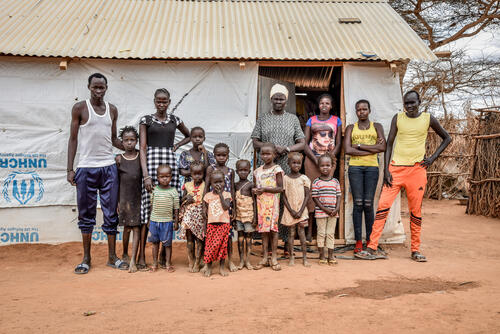
Nyakun Kuok and her family standing outside her house in Dagahaley camp
Kenya

Shut out and forgotten, refugees in Dadaab appeal for dignity

Kenya's Dadaab refugee camps have existed for decades and many people have spent their lives there. But long-term encampment has devastating consequences. Project Update - 18 Nov 2019
 
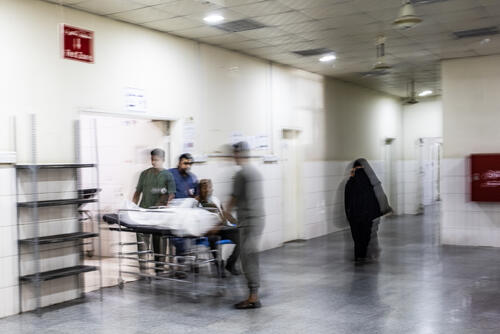
Yemen, Aden, 16 December 2018 – Entrance of OT and ICU of MSF trauma hospital in Aden. The hospital opened in 2012.
Antibiotic resistance

Why bacteria love war-wounds

Bacterial infections can be deadly, and antibiotics remain the best tool to treat them. But they are losing their effectiveness due to antibiotic resistance. We see this throughout our projects in the Middle East, where war-wounds are particularly susceptible. Project Update - 18 Nov 2019
 
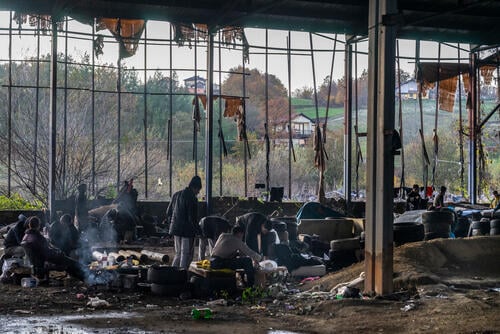
Daily life in one of the squats near Velika Kladusa where migrans and asylum seekers stay. Migrants and asylum seekers are concentrated around Bihac and Velika Kladusa in Bosnia attempting to cross the border to Croatia. People there have to face extremely harsh living conditions and violence allegedly caused by border authorities.
MSF in collaboration with the local medical authorities provide medical and mental health services to the people living in Vucjak camp. Our medical team sees in this clinic around 30 patients per day. MSF runs another small clinic in Velika Kladusa for people who stay in squats. The main morbidities our teams are treating are wounds, skin infections, upper and lower respiratory tract infections, hypothermia and frostbites. All symptoms are results of violence and bad living conditions.
Bosnia-Herzegovina

Beaten, cold, sick and stranded: migrants and asylum seekers in Bosnia

As temperatures drop, thousands of migrants and asylum seekers in Bosnia are living in tents with no access to the most basic services. Project Update - 15 Nov 2019
 
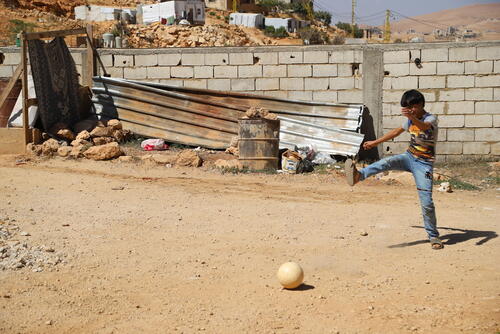
12-years old Houssam is suffering from diabetes type I.
As part of the healthy lifestyle that the medical team recommends, Houssam was advised to exercise whenever he has Hyperglycaemia. Houssam’s favourite sports is football, he plays it with his brother in the surroundings of his tent in Aarsal.
Lebanon

Empowering children living with type 1 diabetes

In Lebanon, MSF diabetes programmes focus on the use of technologies to improve young patients' adherence to treatment and their quality of life. Project Update - 13 Nov 2019
Four mothers posing in a corridor of the Hospital in Bili. All four of them are staying in the hospital with their child, that's suffering from a severe case of malaria. Since the beginning of the project in 2016, the pediatric ward already treated more than 4.000 cases of complicated/severe form of malaria.
Médecins Sans Frontières (MSF)

Independent medical humanitarian assistance

We provide medical assistance to people affected by conflict, epidemics, disasters, or exclusion from healthcare. Our teams are made up of tens of thousands of health professionals, logistic and administrative staff - most of them hired locally. Our actions are guided by medical ethics and the principles of independence and impartiality. We are a non-profit, self-governed, member-based organisation.

Learn more