



Ebola disease in DRC: find out how we're responding
Learn more
4633 Results
 
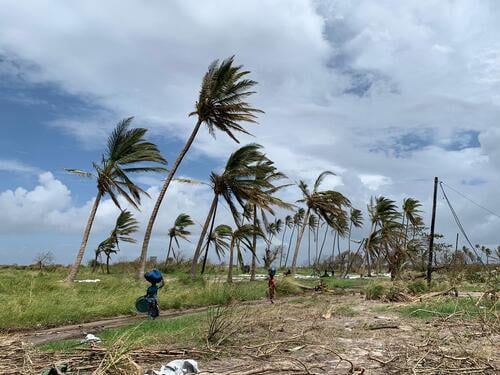
MSF emergency team mobile clinic for victims of Cyclone Idai in the outskirts of Beira city. As flood levels have receded slightly in some areas, an MSF emergency mobile medical team has been able to reach the area around Centro de Saude Marocanne health centre. The health centre itself is entirely destroyed, the the MSF team provided primary healthcare consultations going door-to-door in the neighbourhood. Mainly the team treated small wounds, stomach issues (particularly intestinal worms) and respiratory tract infections.
Cyclone Idai & Southern Africa flooding

MSF emergency response to Cyclone Idai and flooding

Mozambique, Malawi and Zimbabwe have been severely damaged by heavy rains, flooding and Cyclone Idai, which hit Beira, central Mozambique on 14 March. Our teams are on the ground in all three countries. Crisis Update - 26 Apr 2019
 
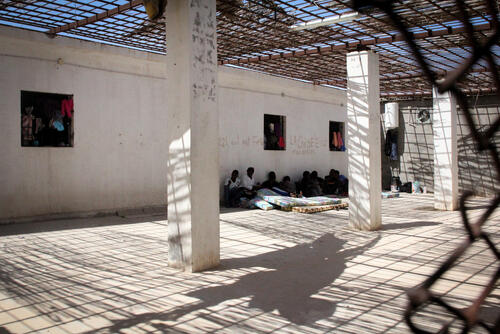
General view of detention centre

On September 2nd, 276 people were brought by the Libyan coast guard to Khoms (120 km east of Tripoli). They were then transferred to detention center where MSF works. Reportedly, they were in two rubber coats, one stopped due to engine failure, while the other boat continued to navigate for several hours before deflating and sinking. Survivors told MSF teams that over a hundred people died in the shipwreck.
Libya

Time running out for evacuations of trapped refugees in Tripoli amid shooting

On 23 April, reports surfaced of a violent incident in a Tripoli detention centre, where trapped migrants are being held. MSF has found evidence that multiple people were shot, and urges for all migrants' immediate evacuation. Press Release - 26 Apr 2019
 
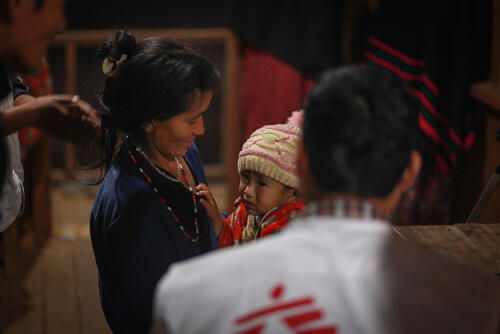
A mother and her child speak speak to a doctor from MSF's mobile clinic in Hay Khun village, Naga.
Myanmar

Bringing healthcare to remote communities in Naga

Naga is one of the most remote parts of Myanmar, and with mountainous terrain, and few established road networks, many in Naga struggle to access healthcare. Travelling usually with motorcycles, MSF's mobile clinics reach the remote villages once or twice a month.
Photo Story - 25 Apr 2019
 
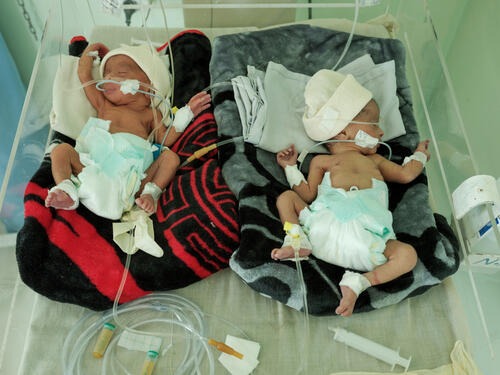
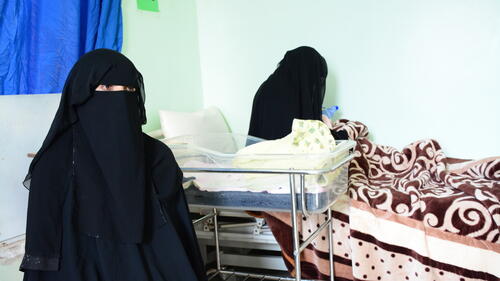
Two premature twins closely monitored at the neonates department of the MSF run “Mother and Child”. Public hospitals in the area is not fully functioning and the few private health facilities that are still running are inaccessible or unaffordable to many people. Taiz Houban. Yemen
Yemen

Complicated delivery: The Yemeni mothers and children dying without medical care

After four years of war in Yemen, MSF finds that access to medical care in the country is limited and the lack of timely access can be deadly, particularly for pregnant women and children. Report - 24 Apr 2019
 
Caretaker with a patient coming from Taiz city to the mother and child hospital in Taiz houban.
Yemen

Mothers and children left to die in Yemen without access to medical care

A new MSF report describes how pregnant women and children are particularly vulnerable to high rates of mortality due to a lack of easy access to hospitals in Yemen's war-torn healthcare system. Press Release - 24 Apr 2019
 
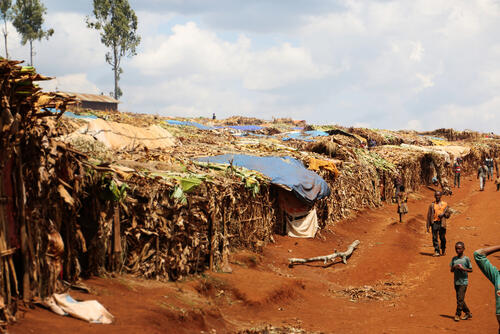
Chechele IDP camp, one of the largest sites near the small town of Banko Gotiti, in the Gedeo area of south Ethiopia. Thousands of people live in the camp, in huts made of leaves from the common ‘false banana’ tree. These huts will not withstand the heavy downpours of the approaching rainy season, and will not provide protection when the nights become bitterly cold.
Ethiopia

Alarming rates of malnutrition among displaced people in southern Ethiopia

Alarming rates of malnutrition among children and pregnant women in displaced people’s camps in southern Ethiopia have forced MSF to launch an emergency response. Press Release - 17 Apr 2019
 
المهاجرون محتجزون في طرابلس
Libya

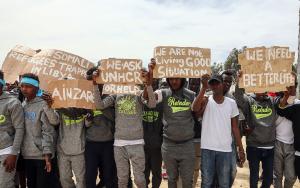
Detained refugees trapped, Libyan families flee, as fighting worsens in Tripoli

The worsening fighting in Tripoli continues, forcing thousands of Libyans to flee and trapping refugees and migrants in detention centres. MSF teams are on the ground, providing healthcare and emergency food and water. Project Update - 17 Apr 2019
 
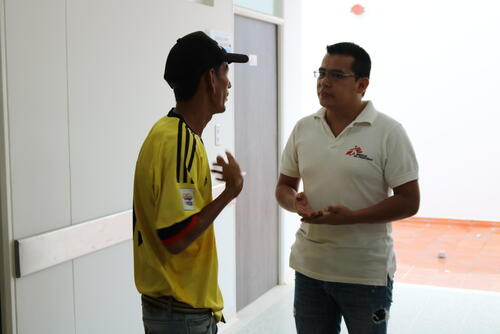
MSF provides primary health care, family planning, mental health care, and information on social services for venezuelan migrants and colombians returning from Venezuela in the border departments of Colombia.
Colombia

Assisting Venezuelan migrants in Colombia

The crisis in Venezuela has forced a million Venezuelans to flee to Colombia, where the healthcare system is struggling to cope with the new arrivals. MSF is providing healthcare to Venezuelans and Colombians living in the departments along the border. Project Update - 17 Apr 2019
 
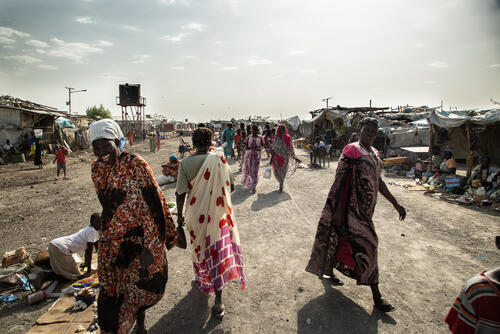
Women walk down a market street in the Protection of Civilians site in the northern town of Malakal, South Sudan.
South Sudan

There’s a lot to be done to address the uncountable health needs

Africa's newest country, South Sudan, is still feeling the effects from violence since 2013, including a decimated health system where there are few local medical staff and people can walk up to 7 days to a hospital, explains Endashaw Mengistu. Voices from the Field - 16 Apr 2019
 
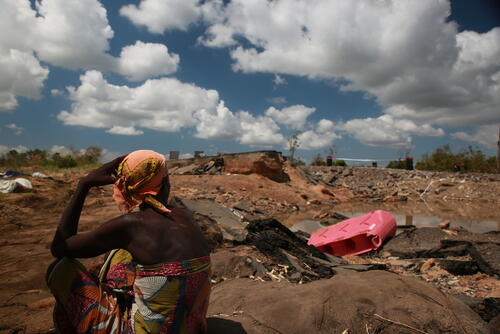
Destructions of the road between Nhamatanda and Tica.
Cyclone Idai & Southern Africa flooding

From emergency to recovery: Mozambique one month after Cyclone Idai

One month since Cyclone Idai tore through Beira and surrounding towns in Mozambique, life is starting to return to normal in many areas - but thousands still face challenges with clean water, food, shelter and avoiding cholera. Project Update - 12 Apr 2019
Four mothers posing in a corridor of the Hospital in Bili. All four of them are staying in the hospital with their child, that's suffering from a severe case of malaria. Since the beginning of the project in 2016, the pediatric ward already treated more than 4.000 cases of complicated/severe form of malaria.
Médecins Sans Frontières (MSF)

Independent medical humanitarian assistance

We provide medical assistance to people affected by conflict, epidemics, disasters, or exclusion from healthcare. Our teams are made up of tens of thousands of health professionals, logistic and administrative staff - most of them hired locally. Our actions are guided by medical ethics and the principles of independence and impartiality. We are a non-profit, self-governed, member-based organisation.

Learn more