



Ebola disease in DRC: find out how we're responding
Learn more
7998 Results
 
The arrival in Lviv of MSF’s first medical referral train on Friday 01 April 2022.
MSF did its first medical train referral on a 2-carriage train converted specifically. This is a precursor of a bigger and more highly medicalised train that is in the process of being converted. The first transfer of patients took place between Thursday 31 March and Friday 01 April 2022. There were nine patients, and nine MSF medical staff. The patients were all wounded in, or while trying to leave, the besieged city of Mariupol. We made the selection of patients with the management team of a hospital in the town of Zaporizhzhia, where the patients were first treated after leaving Mariupol. We transferred them to referral hospitals in Lviv. The idea is to take patients needing higher levels of care, but stable enough to endure a long train journey (up to 24 hours). We want to enable them to have the best possible care, away from the active areas of warfare in Ukraine, and we want to relieve some of the pressure on the hospitals that are closer to frontlines of the war.
War in Ukraine

“You have a medical train? I have patients for you.”

How the patients were selected for MSF’s first medical train referral in Ukraine. Voices from the Field - 3 Apr 2022
 
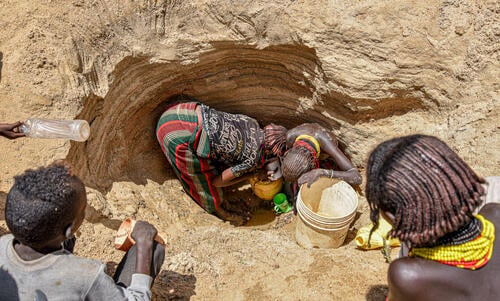
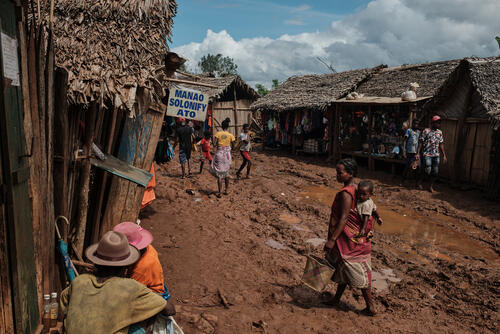
Commune of Ranobe, Amboasary District.

People in the south-east of Madagascar are facing the most acute nutritional and food crisis the region has seen in recent years. MSF began setting up mobile clinics in Amboasary district in late March to screen and treat acute malnutrition in remote villages like those of Ranobe commune, providing ready-to-use therapeutic food and medical care.
Climate emergency

MSF’s 2020 Environmental Pact

Report - 29 Mar 2022
 
MSF has settled a solar panel system at the General Hospital of Kigulube in Sud Kivu to give autonomy to the health structure for the next 20 years.
Climate emergency

MSF commits to reduce carbon emissions to help safeguard the most vulnerable

In a step towards combatting the climate emergency, we have pledged to reduce our emissions by at least 50 per cent compared to 2019 levels by 2030. Statement - 29 Mar 2022
 
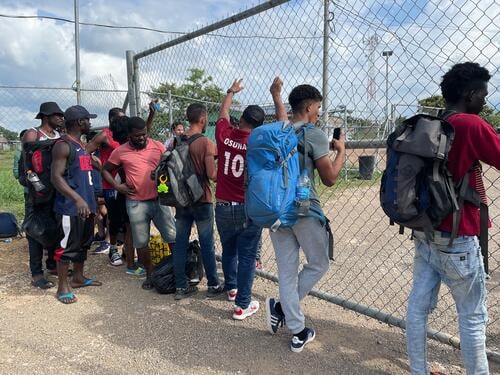
Un equipo de MSF visita regularmente la ciudad de Piedras Negras, Couahuila para ofrecer atención médica, de salud mental  y de trabajo social.
Central American migration

Pushed back, beaten and exposed: Stories from the US-Mexico border

The US continues to expel people seeking asylum to dangerous cities on the US-Mexico border, where they are exposed to violence, extortion, and dangerous conditions. Voices from the Field - 29 Mar 2022
 
A health promotion session in progress for Rohingya women in the refugee camps in Cox’s Bazar, Bangladesh.  

Health promoters usually invite up to three families to a session, to raise awareness around the importance of seeking healthcare. The team also discusses the availability of medical and mental healthcare at MSF facilities.
Bangladesh

Unprecedented increase of scabies cases in Cox’s Bazar refugee camps

Scabies, a skin disease, is on the rise among Rohingya refugees living in camps in Cox’s Bazar, Bangladesh. Project Update - 25 Mar 2022
 
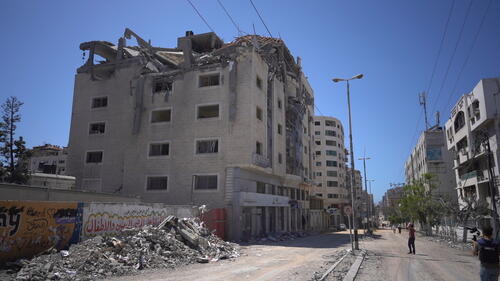
A woman walks past building damaged by shelling in Mariupol, Ukraine, Sunday, March 13, 2022. The surrounded southern city of Mariupol, where the war has produced some of the greatest human suffering, remained cut off despite earlier talks on creating aid or evacuation convoys. (AP Photo/Evgeniy Maloletka)
War in Ukraine

Bombs over Mariupol: Each day is like losing your whole life

MSF staff member, Sasha, from Mariupol, recently managed to escape the bombarded and destroyed city. He shares his harrowing story of survival. Voices from the Field - 24 Mar 2022
 
“I want to be a police officer. I want to be a soldier,” says eight-year-old Zainidin, making his mother laugh. He has TB and needs to take five pills a day for 11 months to treat it. His mother Surayo (29) is supports him every day and motivates him to follow the treatment as she knows it is the only way for him to be completely cured. She also takes care of her daughter Bibisoleha (6) who has TB as well.
Tajikistan

Helping kids to beat TB in Tajikistan

Tuberculosis in children can be especially hard to diagnose and treat. In Tajikistan, MSF teams are working with families to help ease the burden of treatment on kids. Project Update - 23 Mar 2022
 
A ward at Lita's general hospital, that was attacked and looted by armed men, Djugu Territory, Ituri Province, 12 November 2019. PHOTO: ALEXIS HUGUET/MSF
Democratic Republic of Congo

Violence and sense of impunity force stop to lifesaving care

Violence in parts of Ituri province, DRC, has forced our teams to withdraw from two locations as local authorities and warring parties remain non-committal in protecting medical staff. Press Release - 21 Mar 2022
 
Venezuelan Migrants in Peru
Central American migration

Peru: Venezuelan migrants struggle to survive

Political tensions and economic hardships have caused more than 6 million people to leave their homes in Venezuela in recent years. Many are young families, walking and traveling by bus or truck, carrying their belongings in backpacks. Project Update - 18 Mar 2022
 
Martial Ledecq, MSF vascular surgeon, working in the operating theatre in Okhmatdyt hospital in Kyiv. 14 March 2022
War in Ukraine

Staff in major Kyiv hospital receive training for potential increase in casualties

In anticipation of a potential increase in war-wounded patients, staff from a major hospital in Kyiv, Ukraine, have received training from MSF war surgeons. Project Update - 18 Mar 2022
Four mothers posing in a corridor of the Hospital in Bili. All four of them are staying in the hospital with their child, that's suffering from a severe case of malaria. Since the beginning of the project in 2016, the pediatric ward already treated more than 4.000 cases of complicated/severe form of malaria.
Médecins Sans Frontières (MSF)

Independent medical humanitarian assistance

We provide medical assistance to people affected by conflict, epidemics, disasters, or exclusion from healthcare. Our teams are made up of tens of thousands of health professionals, logistic and administrative staff - most of them hired locally. Our actions are guided by medical ethics and the principles of independence and impartiality. We are a non-profit, self-governed, member-based organisation.

Learn more