



Ebola disease in DRC: find out how we're responding
Learn more
280 Results
 
msf-placeholder
Syria

MSF activities for Syrian refugees

Project Update - 8 May 2013
 
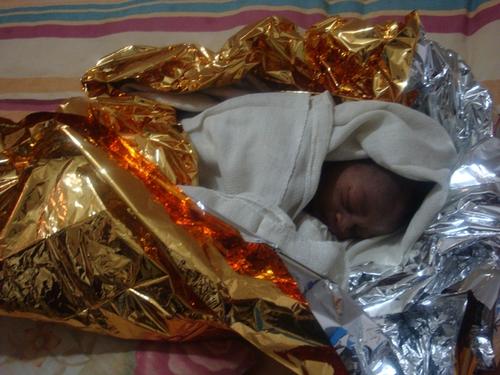
After two days of prolonged labour, Sameera delivered a healthy baby boy.
Sudan

Maternity care in rural North Darfur

MSF's maternity care programmes in North Darfur.
Project Update - 16 Apr 2013
 
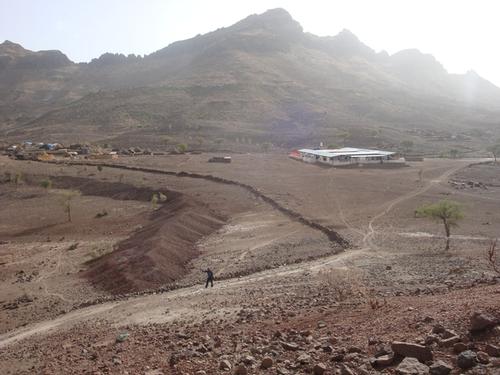
MSF began providing medical assistance in the Jebel Si in 2005 through a
health post and in 2008 began running a rural hospital in Kaguro and five
health posts. These are the only health facilities in this area, and serve
a permanent population of approximately 100,000 people, as well as about
10,000 seasonal nomads all of whom are entirely dependent on MSF for
healthcare and emergency assistance.

As a result of the growing obstacles encountered over the last year due to
restrictions by the authorities, MSF has been forced to suspend most of its
medical activities in the region of Jebel Si, in North
Darfur State, Sudan. As MSF is the sole health provider in the region,
thousands of people are left without access to essential healthcare.
Project Update

After a decade of conflict, there are still medical needs

Voices from the Field - 26 Mar 2013
 
msf-placeholder
Burundi

Women are still suffering from the backyard disease

Project Update - 15 Feb 2013
 
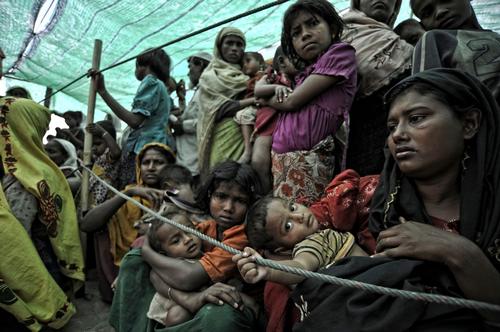
Patients waiting at the triage area for treatment at MSF clinic in a refugee camp on the outskirts of Pauk Taw township, February 3, 2013. photo by Kaung Htet

Months after violence, health needs are still urgent

Eight months since deadly communal clashes first broke out in Rakhine state, Myanmar, tens of thousands of people are still unable to access urgently needed medical care. Project Update - 7 Feb 2013
 
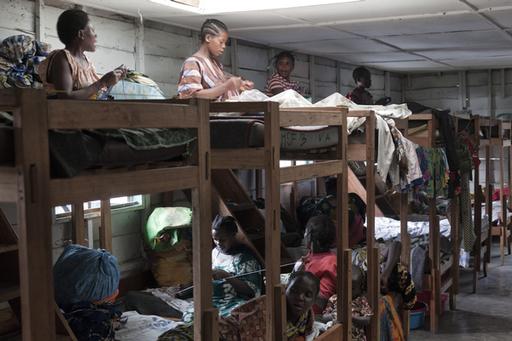
Heavily pregnant women relax In the dormitory at the Village des Mamans in Masisi. 

The free antenatal care set up for pregnant women with potential complications, became so popular that MSF constructed bunk beds to accommodate the influx of women. 

At first, the women were nervous about sleeping on bunks which provided a talking point in the Village.

This photo was taken as part of the www.msfdelivers.org fundraising campaign.
Democratic Republic of Congo

Ethnic violence in Masisi limits access to treatment

While people living in Goma and sheltering in nearby camps continue to live in fear of new clashes between an armed group called theM23 and loyalist forces, MSF is witnessing increased violence in Masisi some 80km to the north-west. In this isolated area of North Kivu, the medical emergency organisation is providing support to the region’s primary hospital. Voices from the Field - 19 Dec 2012
 
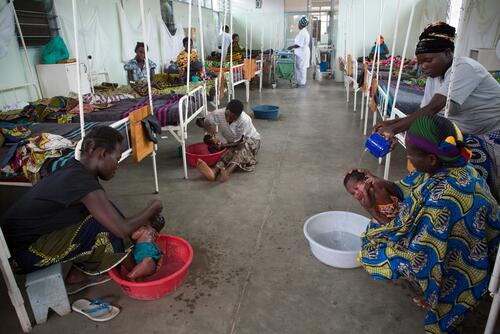
Mothers wash their new born babies in one of the three post-natal wards. MSF has worked in Burundi since 1992. In the town of Kabezi, Bujumbura rural province, MSF has been managing an emergency center for gynecological and obstetric care since 2006. The center offers neonatal services as well as an ambulance service transport system for women who are in need of emergency care. By introducing emergency obstetric care and a referral system, MSF has drastically reduced the level of maternal mortality in Burundi.
Women's health

Safe Delivery: Reducing maternal mortality in Sierra Leone and Burundi

New research from Médecins Sans Frontières (MSF) projects in Kabezi, Burundi, and Bo, Sierra Leone, indicates that it is possible to achieve a rapid and substantial decrease in maternal deaths of up to 74 per cent by providing access to emergency obstetric care. Report - 19 Nov 2012
 
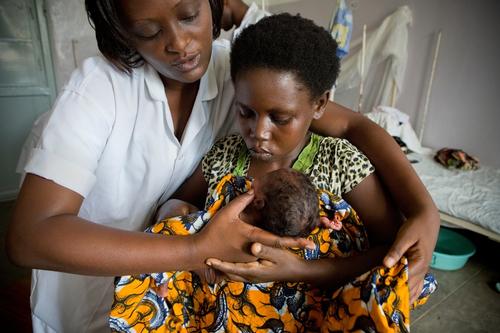
Jeannine Ntunzwenimana, 20, was seven months pregnant when her water broke. "This is my second child, my first is 3 years and 6 months old. My first pregnancy was by c-section at the MSF hospital. My water broke early, I was very affraid because it was too soon. I went to the nearest health center at Gitaza. It was one and a half hour walk away. An ambulance from MSF came to pick me up. The health center called them because they said they weren't able to help the baby. If MSF was not here, I could of died and my baby too. The way they welcome us is very different to other places." Jeannine named her daughter Fridatienne Itangakubuntu who weighed 1.3 kilos when she was born two weeks ago. MSF has worked in Burundi since 1992. In the town of Kabezi, Bujumbura rural province, MSF has been managing an emergency center for gynecological and obstetric care since 2006. The center offers neonatal services as well as an ambulance service transport system for women who are in need of emergency care. By introducing emergency obstetric care and a referral system, MSF has drastically reduced the level of maternal mortality in Burundi.
Women's health

Burundi and Sierra Leone: Access to emergency care significantly reduces maternal mortality

New research from MSF projects in Kabezi, Burundi, and Bo, Sierra Leone, indicates that up to 74 per cent of maternal deaths could be avoided by providing access to emergency obstetric care. MSF data for 2011 indicate that the introduction of an ambulance referral system together with the provision of emergency obstetric services can significantly reduce maternal mortality. Press Release - 19 Nov 2012
 
In March 2012, MSF opened a 56 bed maternity hospital in eastern Khost province. This hospital will provide pregnant women in the region with much needed access to quality maternal healthcare, in one of the most volatile provinces in Afghanistan.
Afghanistan

MSF to resume medical activities in Khost

MSF will resume medical activities in its maternity hospital in Khost Province, Afghanistan. MSF suspended its activities following an explosion in the hospital in April, 2012. Press Release - 17 Oct 2012
Four mothers posing in a corridor of the Hospital in Bili. All four of them are staying in the hospital with their child, that's suffering from a severe case of malaria. Since the beginning of the project in 2016, the pediatric ward already treated more than 4.000 cases of complicated/severe form of malaria.
Médecins Sans Frontières (MSF)

Independent medical humanitarian assistance

We provide medical assistance to people affected by conflict, epidemics, disasters, or exclusion from healthcare. Our teams are made up of tens of thousands of health professionals, logistic and administrative staff - most of them hired locally. Our actions are guided by medical ethics and the principles of independence and impartiality. We are a non-profit, self-governed, member-based organisation.

Learn more