


Bujumbura, 15 February 2013 —Médecins Sans Frontières (MSF) is marking the 1,000th operation to correct obstetric fistula in Gitega, Burundi, but is concerned about the future of its project.
Launched in July 2010, the Urumuri Centre in Gitega is a joint effort of the Ministry and Health and MSF. Women who have benefited from surgery at the centre have been able to return to normal life in their community. The incontinence that is so often a result of obstetric fistula leads to social exclusion for many women.
Although approximately 1,200 women develop obstetric fistula in Burundi every year, MSF’s Urumuri Centre is still the only facility in the country that provides comprehensive, free treatment to women with simple or complex fistulas. The surgeons who perform the procedure are international staff members of the non-profit organization.
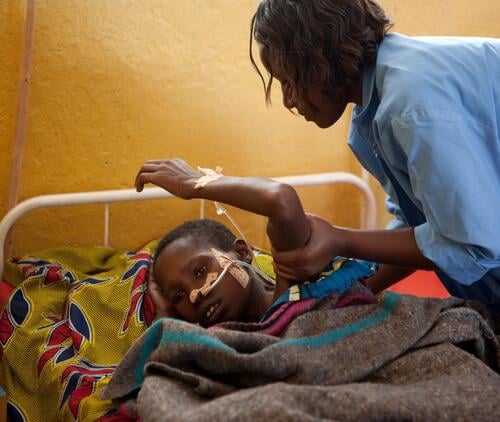
“While we are delighted to have been able to treat so many women and allow them to recover their dignity, we are also concerned about the future,” says Bavo Christians, MSF’s head of mission in Burundi. “Despite our repeated requests to health authorities, we have not been able to train a single physician to operate on fistulas. We are thus launching a new appeal to our partners to take advantage of the unique opportunity that the Urumuri Centre offers to train Burundi doctors in this procedure.”
MSF fears that the Urumuri Centre will close when the programmed is handed over to the country’s authorities. “MSF provides temporary support and our goal is to turn our activities over to local health authorities. Sharing our expertise and providing training is an integral part of our commitment here in Burundi,” says Christians.
MSF has been working in Burundi since 1993 and currently manages three programmed in the country, two of which focus exclusively on maternal health
Women's health
Safe Delivery: Reducing maternal mortality in Sierra Leone and Burundi
Report
19 Nov 2012

Women's health
Burundi and Sierra Leone: Access to emergency care significantly reduces maternal mortality
Press Release
19 Nov 2012