



Ebola disease in DRC: find out how we're responding
Learn more
1993 Results
 
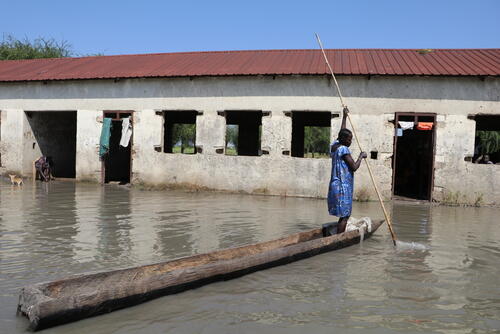
Woman uses a canoe to move through floodwaters in Wangchot village, Old Fangak.  Since July 2020, severe flooding have affected an estimated 800,000 people across a wide swathe of South Sudan, inundating homes and leaving people without adequate food, water or shelter. As of beginning of December 2020, in Fangak county, Jonglei state, the water levels remain high, and in some areas continue rising, affecting people on a daily basis.
Climate emergency

The climate crisis is a health and humanitarian crisis

Médecins Sans Frontières (MSF) is attending the COP26 Climate conference in Scotland this week. Here's why. Project Update - 5 Nov 2021
 
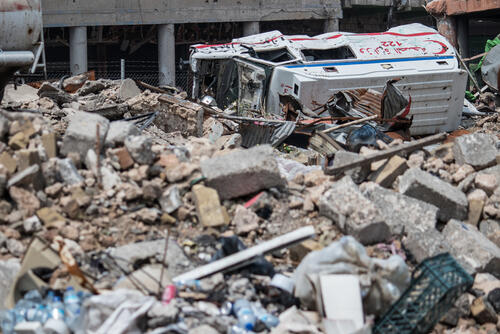
Mosul’s old town experienced intense shelling, aerial bombing and attacks with improvised explosive devices (IED) during the conflict to retake the city from the Islamic State group in 2016/17. Much of the old city is still inaccessible due to the destruction and presence of IEDs, unexploded ordinance (UXO) and booby traps. 

Between 5,000 and 7,000 people have returned to their homes in Mosul’s old city, despite the danger of explosive remnants of war. They face extremely difficult conditions, often living without water and electricity and in partially damaged houses.
War and conflict

Counter terrorism “adds salt to the wound” in providing medical care in conflict

A new report paints a bleak picture of the reality of trying to provide impartial medical care to people in conflict, often undermined by counter-terrorism measures. Project Update - 18 Oct 2021
 
At Hôpital Immaculée Conception in Les Cayes, MSF staff provide physiotherapy for patients injured in the earthquake, helping people regain strength and mobility.
Haiti

Two months after the earthquake, health needs remain high

Two months on from the 14 August quake in Haiti, which destroyed infrastructure and injured thousands, the number of people with earthquake-related and other medical needs remains high. Project Update - 15 Oct 2021
 
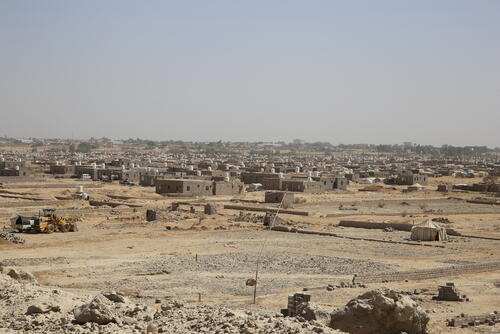
Al Noor camp for internally displaced Yemenis, which is one of the largest camps in Marib. MSF provides primary healthcare in this camp through a mobile clinic twice a week?

مخيم النور للنازحين والذي يعد من أكبر المخيمات في مأرب. تقدم أطباء بلا حدود الرعاية الصحية الأولية في هذا المخيم عبر العيادة المتنقلة.
Yemen

People treated following missile attacks on residential area in Marib governorate

MSF has provided care to people, and urged once again for warring parties to respect International Humanitarian Law, following missiles fired on a residential area in Marib governorate, Yemen. Project Update - 5 Oct 2021
 
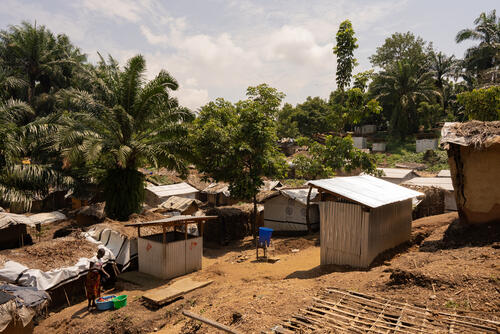
Section of the Ugudo Zii displaced people site, Angumu health zone.
Democratic Republic of Congo

Healthcare for the community by the community

As thousands of people have been displaced by natural disasters and violence in DRC, MSF is working with the community to ensure essential healthcare is still provided. Project Update - 3 Oct 2021
 
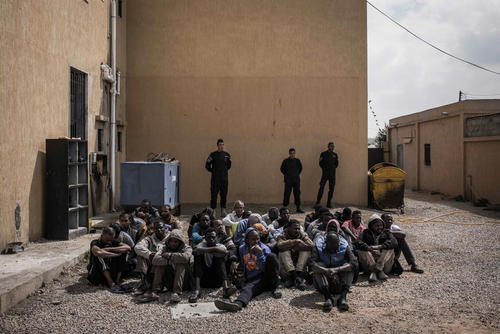
Men detained in Janzour detention centre, in the outskirts of Tripoli, Libya. Detainees spend days and months in Libyan detention centres, without knowing when they will be released.
Libya

Medical care resumes in Tripoli detention centres

Three months after we suspended our work in detention centres in Tripoli, Libya, over safety fears, our teams have returned to providing medical care to detained people after an agreement from Libyan authorities. Project Update - 29 Sep 2021
 
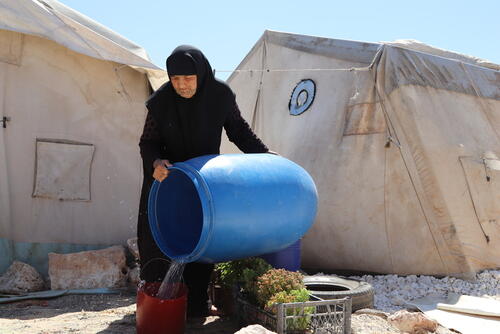
An old displaced woman filling a bucket with clean water provided by MSF in a camp in northwest Syria.
Syria

Northern Syria: Acute water crisis poses serious health risks

People are facing a desperate situation in northern Syria, as limited access to clean water has reached breaking point, creating health problems for millions of people displaced within the region. Project Update - 29 Sep 2021
 
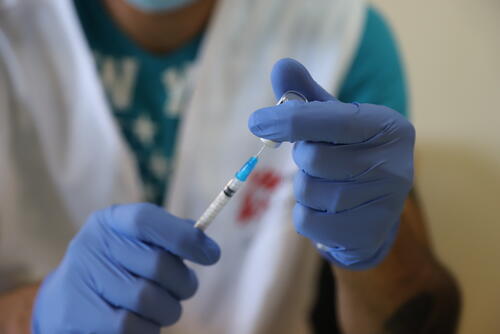
A member of MSF’s mobile vaccination team prepares a dose of COVID-19 vaccine at a nursing home in Shayle (Mount Lebanon).
Coronavirus COVID-19 pandemic

European Union: more empty promises about global COVID-19 vaccine equity

More words from the EU underline the importance of global access to vaccines, but when will words turn to action? Project Update - 15 Sep 2021
 
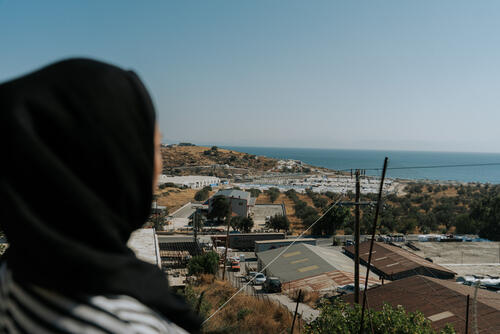
Mariam* is on Lesbos with her family, her husband and her 2-year-old girl, while she is also expecting another child.

We are a family of three. Me, my husband and my two-year-old daughter. I am also 8 months and 3 weeks pregnant. I arrived on Lesbos two years ago. I have lived in Moria camp and now I live in the new camp of Kara Tepe.

When the Moria camp was on fire, everywhere we looked, there was fire. We were in the middle of it, so we went to the mountains to protect ourselves. After the fires, we were in the streets for around ten days. We didn’t have any food and water. Food was not enough for everyone.

Now in Kara Tepe camp, the living conditions continue to be difficult. There is cold, there is heat, we cannot go to the toilet easily, we don’t have a good life here. I don’t feel well. It’s two years that I haven’t gone to a private toilet. We are in a bad mental health situation.

Right now, I don’t know if we can get recognized as asylum seekers or if we are going to get a rejection. We also have problems with getting permission to get outside of the camp. Until now, my daughter has never been to a park. I wish we could move freely, so that I could take my daughter to a park.

She is very aggressive because of what she has experienced here. She “likes” to fight all the time. She doesn’t like to play. She’s not a child who likes to play with friends, to laugh, to speak and play with dolls. All there is in her mind is the the violence she has witnessed here. The fights in the camp, the time that we had to run away, the fires, the teargas. During this age, it is important to care about the little girl, to give her a lot of love and take her to nice places, but this is not possible here.

For example, when she was learning to walk, there were no walls for her to grab to be able to stand. All we had was a blanket hanging so when she was trying to stand, she would grab it and it would fall.

My wish is to get better psychologically. And to be able to go to work, me and my husband and live like a normal person. I don’t like to be told where to go, where not to go and what time to go in and out. I wish, like all the people do, to have a good life without any stress and to have a house and for my daughter to at least play in the house.
Greece

One year on from Moria fire, EU denies dignity to migrants trapped on Greek islands

A year after a fire tore through and destroyed Moria camp, on Lesbos, Greece, thousands of refugees remain on the island, with the EU refusing to provide dignity to those trapped there. Project Update - 10 Sep 2021
 
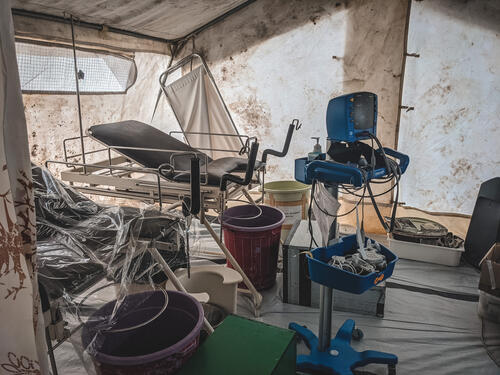
A tent where MSF’s team continued to deliver babies and provide other urgent care to pregnant women after the hospital in Port-a-Piment was damaged by the earthquake.
Haiti

Complex needs of earthquake survivors require continued specialised care

Despite the obstacles and difficulties, the needs in the southernmost region of Haiti continue as MSF works to provide continued care for those most affected by the earthquake. Project Update - 9 Sep 2021
Four mothers posing in a corridor of the Hospital in Bili. All four of them are staying in the hospital with their child, that's suffering from a severe case of malaria. Since the beginning of the project in 2016, the pediatric ward already treated more than 4.000 cases of complicated/severe form of malaria.
Médecins Sans Frontières (MSF)

Independent medical humanitarian assistance

We provide medical assistance to people affected by conflict, epidemics, disasters, or exclusion from healthcare. Our teams are made up of tens of thousands of health professionals, logistic and administrative staff - most of them hired locally. Our actions are guided by medical ethics and the principles of independence and impartiality. We are a non-profit, self-governed, member-based organisation.

Learn more