



Ebola disease in DRC: find out how we're responding
Learn more
1390 Results
 
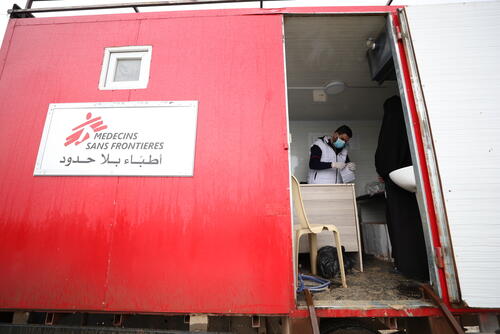
A consultation at MSF’s mobile clinic, in an IDP camp in Northwest Syria.
Syria

Dozens of people treated following an airstrike in Idlib

Dozens of people have been treated at a hospital co-managed by MSF, following an airstrike in a relatively stable part of Idlib governorate, northwest Syria. Project Update - 26 Oct 2020
 
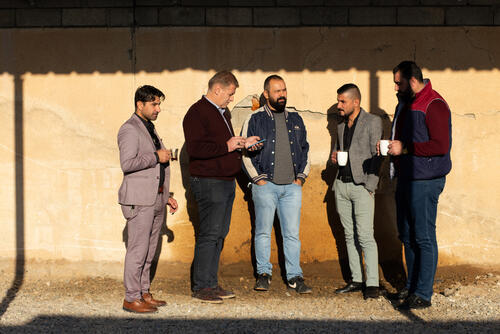
Muammar Al-Hiyali (45 years) works as head of drivers in MSF’s post-operative care hospital in East Mosul. Muammar manages a team of 15 drivers.  Here, he is spending a morning with some of them before going about their daily tasks.
Iraq

Humanitarians behind the scenes in Iraq

Across all of MSF's projects worldwide, the vast majority - usually more than 90% - are people hired locally in the project's area. And despite our name meaning 'doctors without borders' in English, our medical teams rely on a solid team of humanitarians who don't have a medical background. Voices from the Field - 20 Oct 2020
 
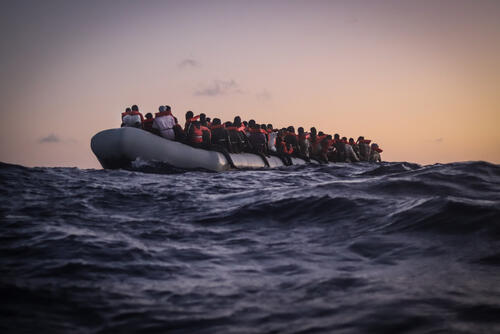
On August 24, SeaWatch4 completed its third rescue in 48 hours. Evacuated in a heavy swell, many of the some 100 survivors were hypothermic, disoriented and smelled strongly of gasoline. Emergency showers were provided for fuel exposure.
Mediterranean migration

Five things to know about the Mediterranean search and rescue crisis

Five search and rescue boats detained, including MSF's Sea-Watch 4. In five months. Here are five things to know about the current situation with search and rescue in the Mediterranean sea. Project Update - 16 Oct 2020
 
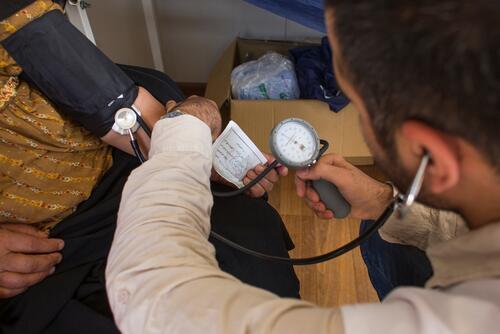
Non Communicable Disease clinic (MSF) in northeast Iraq.
Iraq

MSF hands over last projects in Diyala, Iraq, after six years

MSF teams provided healthcare services in Diyala governorate from late 2014 until August 2020 when they handed over their latest projects to the Health Directorate and other local and international organisations. Project Update - 13 Oct 2020
 
World Mental Health Day Package-Lebanon
Lebanon

“I needed to make myself useful to overcome the panic”

MSF psychologist Sara Tannouri in Lebanon speaks of the blast that devastated her home city Beirut, and its impact on mental wellbeing, including her own. Voices from the Field - 9 Oct 2020
 
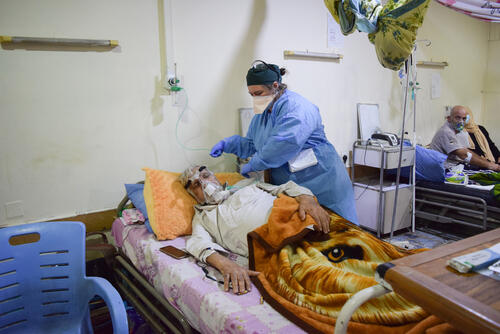
Al-Kindy hospital, in Baghdad, is receiving large numbers of severe and critical COVID-19 patients. Since July 2020, MSF teams have been helping in the respiratory care unit (RCU) providing bedside training for staff including ventilation use, drug use, and techniques adapted for the treatment of COVID-19. In these pictures, COVID-19 patients are being treated in the severe case ward with medication and oxygen support. If they need stronger treatment to recover, they are put on ventilator support in the RCU.
Iraq

COVID-19 outbreak in Baghdad is “very alarming”

Iraq has registered 320,000 cases of COVID-19 and an average 4,000 new cases are reported daily. The health system is under huge pressure. Project Update - 24 Sep 2020
 
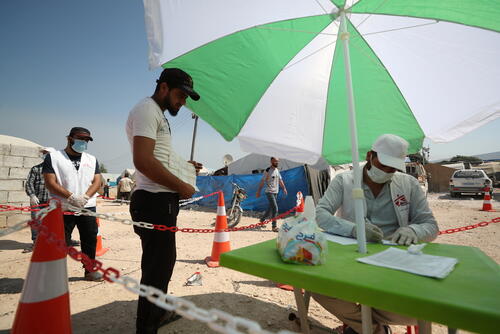
MSF has been engaged since April 2020 in distributing hygiene kits to displaced people living in camps in northwest Syria. Since then, the teams have distributed more than 63,000 hygiene kits including items such as soap and detergents to more than 26,000 displaced families in several camps in Idlib governorate and North Aleppo. 
In order to prevent overcrowding during the distribution, MSF teams have set up clear pathways from the entrance till the exit and put in place other measures such as asking people to maintain a safe distance among each other or asking only one person per family to come to the distribution site.
Coronavirus COVID-19 pandemic

Ten-fold increase in COVID-19 cases adds new challenges in northwest Syria

In just a month, the number of COVID-19 cases in northwest Syria have increased 10-fold, putting added pressure on the health system and creating more challenges in an already-dire situation.
Project Update - 22 Sep 2020
 
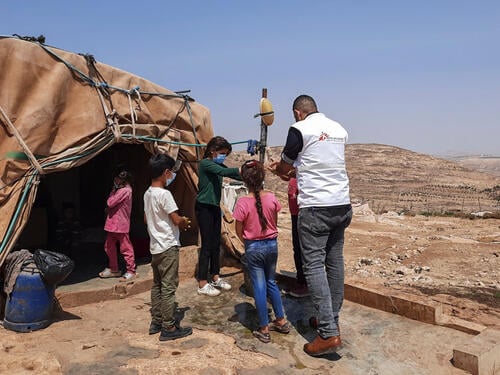
Nader Owidat (Counselor Educator) is conducting a COVID-19 health promotion activity with children in Masafer Yatta, a collection of 19 Palestinian hamlets in the Hebron Governorate (West Bank).
Palestine

Tackling COVID-19 in Hebron, the epicentre of the outbreak in Palestine

MSF teams are supporting local health authorities in Hebron, Palestine, in tackling the COVID-19 pandemic, in an area where a third of cases in the West Bank have been reported. Project Update - 21 Sep 2020
 
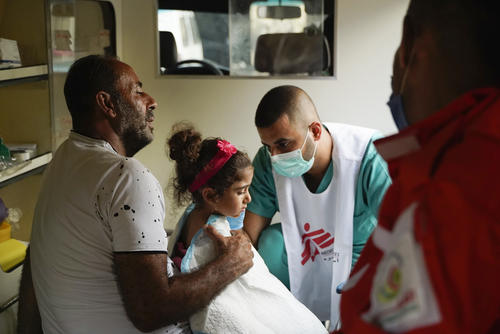
Samar is 3 years old. She came with her father to the MSF medical point to receive wound care. Samar was going with her father out of their building on the day of the explosion and the steal gate caused her facial injuries and burns. She already had reconstructive plastic surgery. MSF has established a fixed point in the Mar Mikhael and Karantina neighborhoods in Beirut, two of the areas most impacted by the blast, to provide medical support to the people affected by the explosion. The team provides wound care (dressings), rapid consultations for people with non-communicable diseases, as well as psychological first aid.
Lebanon

“The explosion did not distinguish between its victims and neither should the aid response”

A month after a massive explosion tore through central Beirut, Lebanon, MSF's Jonathan Whittall explains the situation and our response. Interview - 4 Sep 2020
 
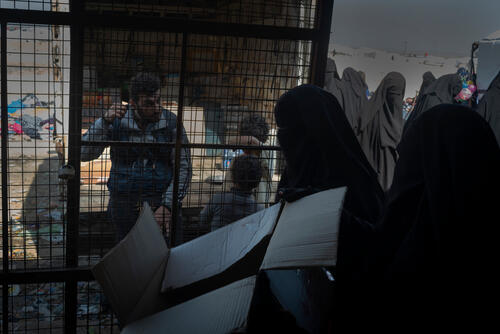
Al-Hol Camp.
Syria

“In Al-Hol camp, almost no healthcare is available”

MSF emergency manager for Syria Will Turner describes the situation across northeast Syria and in Al-Hol camp for displaced people as COVID-19 spreads. Interview - 27 Aug 2020
Four mothers posing in a corridor of the Hospital in Bili. All four of them are staying in the hospital with their child, that's suffering from a severe case of malaria. Since the beginning of the project in 2016, the pediatric ward already treated more than 4.000 cases of complicated/severe form of malaria.
Médecins Sans Frontières (MSF)

Independent medical humanitarian assistance

We provide medical assistance to people affected by conflict, epidemics, disasters, or exclusion from healthcare. Our teams are made up of tens of thousands of health professionals, logistic and administrative staff - most of them hired locally. Our actions are guided by medical ethics and the principles of independence and impartiality. We are a non-profit, self-governed, member-based organisation.

Learn more